Key Takeaways for Regulated IT Returns Programs
- Blue Yonder’s acquisition of Optoro shifts focus toward retail-oriented AI routing, which raises concerns for regulated IT and telecom OEM programs.
- Enterprise IT returns programs face four primary risks: fragmented vendor stacks, regulatory misalignment, limited depot-repair depth and missing ASC authorizations.
- Premier Logitech consolidates returns, repair, data sanitization and asset recovery under a single contract and holds TAA, NIST, CMMC, SOC 2 and multiple ISO certifications.
- A seven-step workflow from RMA intake through compliance reporting supports serialized chain-of-custody, NIST-aligned data destruction and OEM-authorized L1–L4 repair.
- Regulated organizations evaluating returns partners should request a capability mapping session to align certified services with program requirements.
Market Context for Optoro After the Blue Yonder Acquisition
Blue Yonder acquired Optoro to expand returns-processing capabilities and support broader supply-chain transformation. Blue Yonder positions the combined platform as a networked supply-chain decision system rather than a standalone return portal, with roadmap priorities centered on AI-driven disposition decisions and composable microservices integration.
That strategic direction fits large retail and consumer goods operators. For regulated IT and telecom OEMs, the acquisition introduces uncertainty about platform depth in areas that retail-centric tools have not needed to address. These areas include TAA-compliant sourcing, NIST SP 800-88 data sanitization, CMMC-aligned handling for government-adjacent programs and OEM Authorized Service Center repair at the component level.
Industry analysis places Optoro in the returns orchestration tier of the vendor landscape, with lighter depth in complex depot repair and service-parts planning compared with aftermarket specialists. Acquisitions in supply-chain software often shift roadmap priorities toward platform consolidation and cross-module integration. VP-level operations leaders at IT OEMs should evaluate whether a retail-heritage platform, now embedded in a larger suite, will maintain the compliance depth and repair authorization breadth their programs require. Understanding the specific risks behind that evaluation clarifies which capabilities matter most.
Buyer Pain Points in IT Returns Management
VP-level operations and supply-chain leaders at enterprise IT and telecom OEMs encounter four recurring risk categories when managing high-value asset returns.
The first risk is fragmented vendor stacks. Brands often stitch multiple point solutions together for returns, repair and service-parts functions. Each handoff introduces risk as data gaps appear between systems, grading criteria drift across vendors and processing delays accumulate through disconnected workflows. Premier Logitech removes those handoffs by consolidating these functions under a single contract and operating as both a full lifecycle partner and a modular services provider.
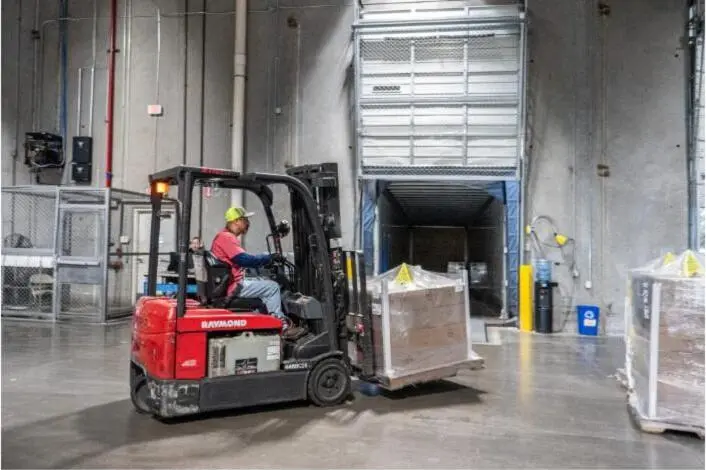
The second risk is regulatory misalignment. NIST SP 800-88 is the accepted U.S. standard for media sanitization, and regulatory frameworks including HIPAA, PCI-DSS, SOX and CMMC require documented, current asset inventories with defined security controls. Premier Logitech holds TAA, TAPA, ISO, NIST, CMMC and SOC 2 certifications and operates under CAGE Code 4WAJ9 as a pre-vetted partner for U.S. federal and government-adjacent programs.
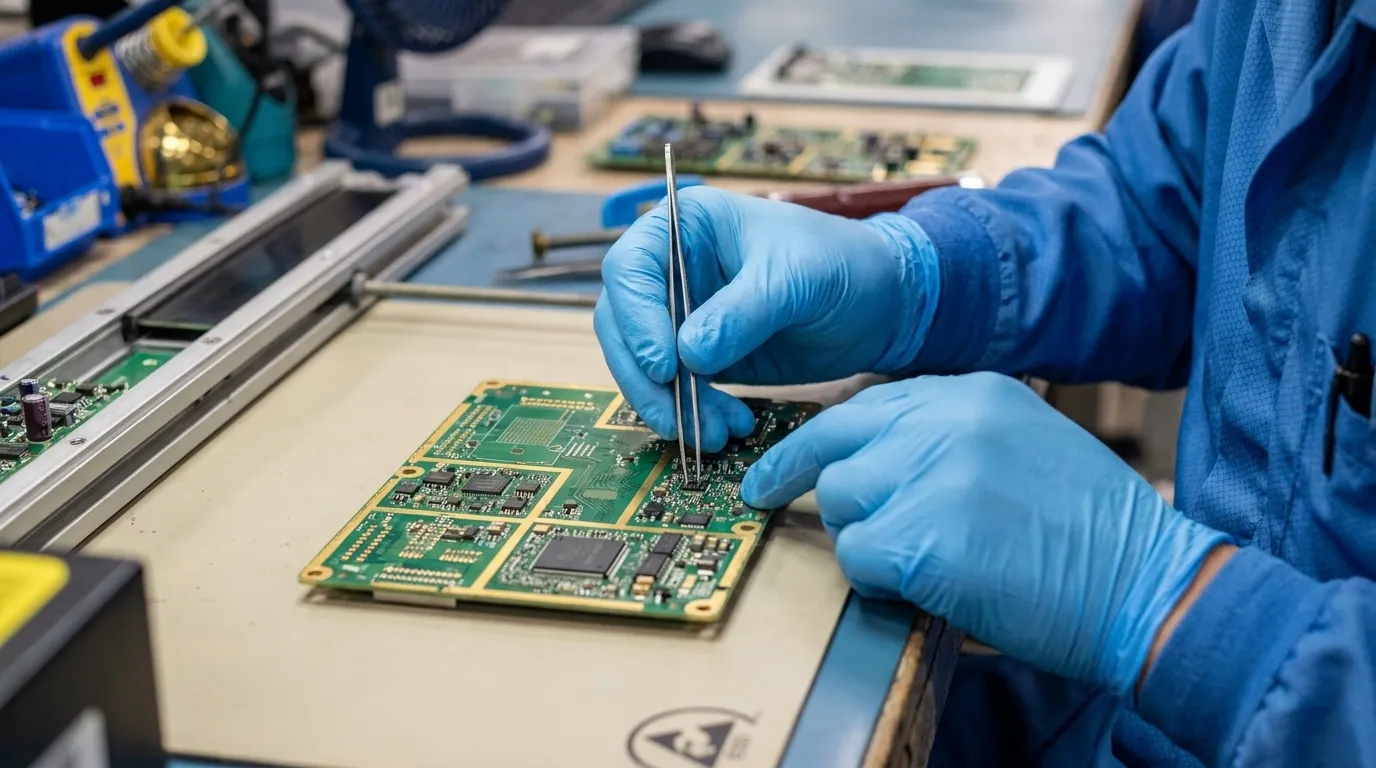
The third risk is limited depot-repair depth. Retail returns platforms do not address L1–L4 component-level repair for enterprise networking, telecom or computing hardware. Premier Logitech operates across three DFW facilities with nearshore operations in Laredo and Nuevo Laredo and maintains repair capacity that supports high-volume enterprise programs.
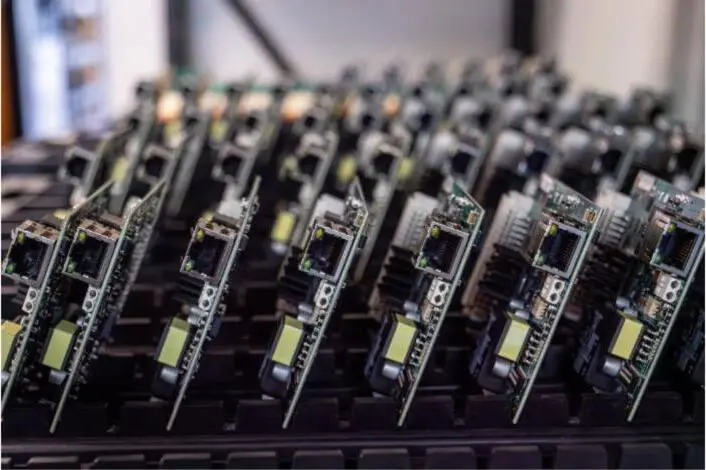
The fourth risk is missing ASC authorizations. OEM warranty programs require Authorized Service Center status for warranty-valid repairs. Premier Logitech holds ASC authorizations with more than 20 OEM brands, which creates a barrier that competitors without those relationships cannot match.
Premier Logitech Capabilities for Regulated IT Returns
Premier Logitech provides an IT-specialized, compliance-first alternative to retail-oriented returns platforms. Founded in 2007, the company serves IT OEMs, telecom providers, consumer electronics manufacturers and government agencies across the full technology lifecycle.
Core returns management capabilities include the following.
- ASC-authorized depot repair at L1–L4 depth
- Certified data sanitization with documented chain-of-custody
- RMA intake, triage, sorting, grading and cosmetic refurbishment
- In-warranty and out-of-warranty claim support with rapid exchange programs
- Real-time TMS visibility across a North American network of more than 120 carriers
- Asset recovery, certified refurbishment and secondary-market remarketing
- Responsible recycling, e-waste reduction and compliance reporting under ISO 9001 and ISO 14001
- Parts reclamation and harvesting for component-level value recovery
- Secure data destruction with documented disposal records
Premier Logitech operates as a single-source partner or as a modular provider, so operations leaders can engage specific services without replacing existing systems.
Schedule a consultation to evaluate how these capabilities fit a returns program.
Seven-Step Workflow for Regulated IT Asset Returns
This workflow reflects best-practice requirements for enterprise IT and telecom OEM returns programs that operate under compliance frameworks. These capabilities come together in a structured process that supports compliance at every stage.
- RMA authorization and intake: Issue a serialized RMA, log the asset against the inventory record and start chain-of-custody documentation at the point of return.
- Secure transportation: Route the asset through a vetted carrier network with real-time TMS tracking and tamper-evident packaging to protect custody integrity in transit.
- Triage and functional assessment: Perform functional testing, firmware checks, component-level inspection and condition grading when the depot facility receives the asset.
- Data sanitization: Execute compliant media sanitization, including overwriting, degaussing or physical destruction, based on asset classification and issue a Certificate of Data Destruction.
- Depot repair or refurbishment: Complete OEM-authorized L1–L4 repair, cosmetic refurbishment or parts reclamation under ASC authorization with documented repair records.
- Disposition routing: Route the asset to redeployment, secondary-market remarketing, responsible recycling or certified ITAD based on condition grade and program rules.
- Compliance reporting and closeout: Deliver serialized inventory reports, sanitization certificates, chain-of-custody logs and recovery documentation to support audit, finance and sustainability review.
How the Optoro Acquisition Impacts Returns Software Decisions
Blue Yonder acquired Optoro to extend its order management and supply-chain platform into returns orchestration. The combined platform uses ML-powered smart routing to direct returned-item disposition based on transit time, inventory position and markdown risk, with a composable microservices architecture designed for incremental adoption.
That capability mix aligns with retail and consumer goods requirements. For regulated IT organizations, the definition of effective returns management software follows a different framework. ISO 27001 Control 5.11 links asset recovery directly to information security governance and requires documented processes that reduce data exposure and confidentiality breaches. FedRAMP implies continuous monitoring expectations rather than a one-time checklist for any platform that touches federal data flows.
The most effective returns approach for IT and telecom OEMs combines platform visibility with physical compliance depth. That combination includes OEM-authorized repair, certified data sanitization, TAA-compliant handling and a partner with documented government credentials. Software alone does not satisfy those requirements. A lifecycle services partner with the certifications, ASC authorizations and operational infrastructure to execute at every step does.
Evaluation Checklist for Single-Partner and Multi-Vendor Models
Operations leaders assessing returns management partners can use the following criteria before committing to a platform or vendor model.
- Volume and mix: Confirm that the partner supports networking hardware, mobile devices, telecom equipment and peripherals at required volumes.
- Regulatory scope: Confirm that the partner holds TAA, NIST, CMMC, SOC 2 and ISO certifications relevant to the program’s compliance obligations.
- ASC authorization depth: Confirm that the partner holds OEM Authorized Service Center status for program brands, which enables warranty-valid repair.
- Data sanitization documentation: Confirm that the partner issues serialized Certificates of Data Destruction aligned to the NIST standard for every processed asset.
- Integration capability: Confirm that the partner connects to existing ERP, WMS and TMS systems without requiring full-stack replacement.
- Geographic footprint: Confirm that the partner operates multi-site North American facilities with nearshore capacity that supports program scale and speed.
- Vendor consolidation: Confirm that the partner can replace fragmented repair, fulfillment and recycling vendors under a single contract and point of contact.
- Government credentials: Confirm that the partner holds a CAGE code and documented experience with federal or government-adjacent programs.
Frequently Asked Questions
What compliance certifications does Premier Logitech hold for IT asset returns?
Premier Logitech holds certifications and operates under frameworks including the Trade Agreements Act, TAPA, ISO 9001, ISO 14001, NIST, CMMC and SOC 2. The company also operates under CAGE Code 4WAJ9, which identifies it as a pre-vetted partner for U.S. federal and government-adjacent programs. Data sanitization processes align to NIST SP 800-88 media sanitization guidelines, and disposal documentation includes serialized chain-of-custody records and Certificates of Data Destruction.
What repair depth does Premier Logitech provide for returned IT assets?
Premier Logitech provides depot repair at L1 through L4 depth, covering functional testing, component-level repair, cosmetic refurbishment and parts reclamation. The company holds Authorized Service Center status with more than 20 OEM brands, which enables warranty-valid repair for enterprise networking, telecom and computing hardware. Repair operations run across multiple DFW facilities with nearshore capacity in Laredo and Nuevo Laredo.
How does Premier Logitech handle systems integration for returns programs?
Premier Logitech operates as both a full lifecycle partner and a modular services provider. Clients can engage end-to-end program management or select individual services such as depot repair, transportation or ITAD on a standalone basis. The Transportation Management System provides real-time visibility across the North American carrier network, and integration with existing ERP and inventory systems is addressed during the onboarding and proposal phase.
What asset disposition options are available after returns processing?
Processed assets can move to redeployment, secondary-market remarketing, certified refurbishment for resale, parts reclamation and harvesting or responsible recycling and e-waste disposal. Premier Logitech supports in-warranty and out-of-warranty claim handling, rapid exchange programs and asset recovery programs designed to capture residual value before depreciation reduces recovery potential.
What geographic coverage does Premier Logitech provide for enterprise returns programs?
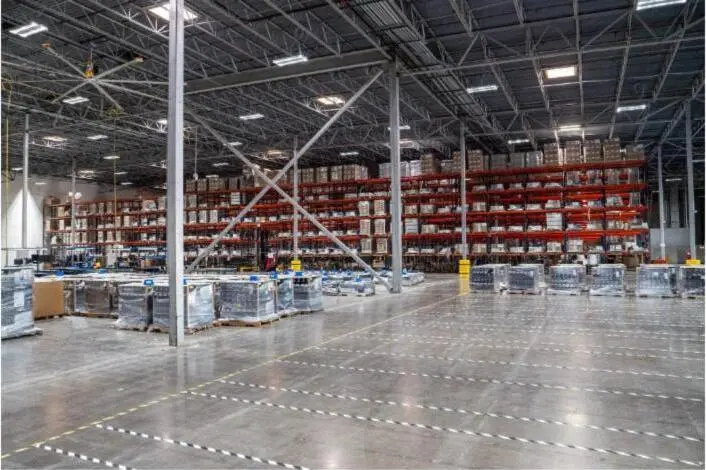
Premier Logitech operates three facilities in the Dallas-Fort Worth area with nearshore operations in Laredo and Nuevo Laredo, Mexico. Transportation services run through a network of more than 120 vetted North American LTL carriers, with full truckload, intermodal and international air and ocean shipping available for programs that require broader geographic reach.
Conclusion: Choosing a Compliant Returns Partner for Regulated IT
The Blue Yonder acquisition of Optoro reflects a broader consolidation trend in supply-chain software toward integrated, AI-driven platforms. Supply chain leaders should monitor integration timelines, product roadmaps and any migration incentives that follow acquisitions, because these factors influence long-term platform viability and total cost of ownership.
For regulated IT and telecom OEMs, evaluation extends beyond software features. Compliance with data-destruction standards such as NIST, ISO and GDPR should be a top consideration for IT asset recovery; failure to comply can result in heavy fines and certification revocation. A retail-heritage platform embedded in a broader suite does not address the need for OEM-authorized repair, government-grade data sanitization, TAA-compliant handling and a partner with documented federal credentials.
Premier Logitech delivers the compliance depth, ASC authorization network and lifecycle integration that regulated IT organizations require under a single contract with a single point of contact and with certifications that support audit at every stage.
Start the partner evaluation process with a Premier Logitech consultation.
