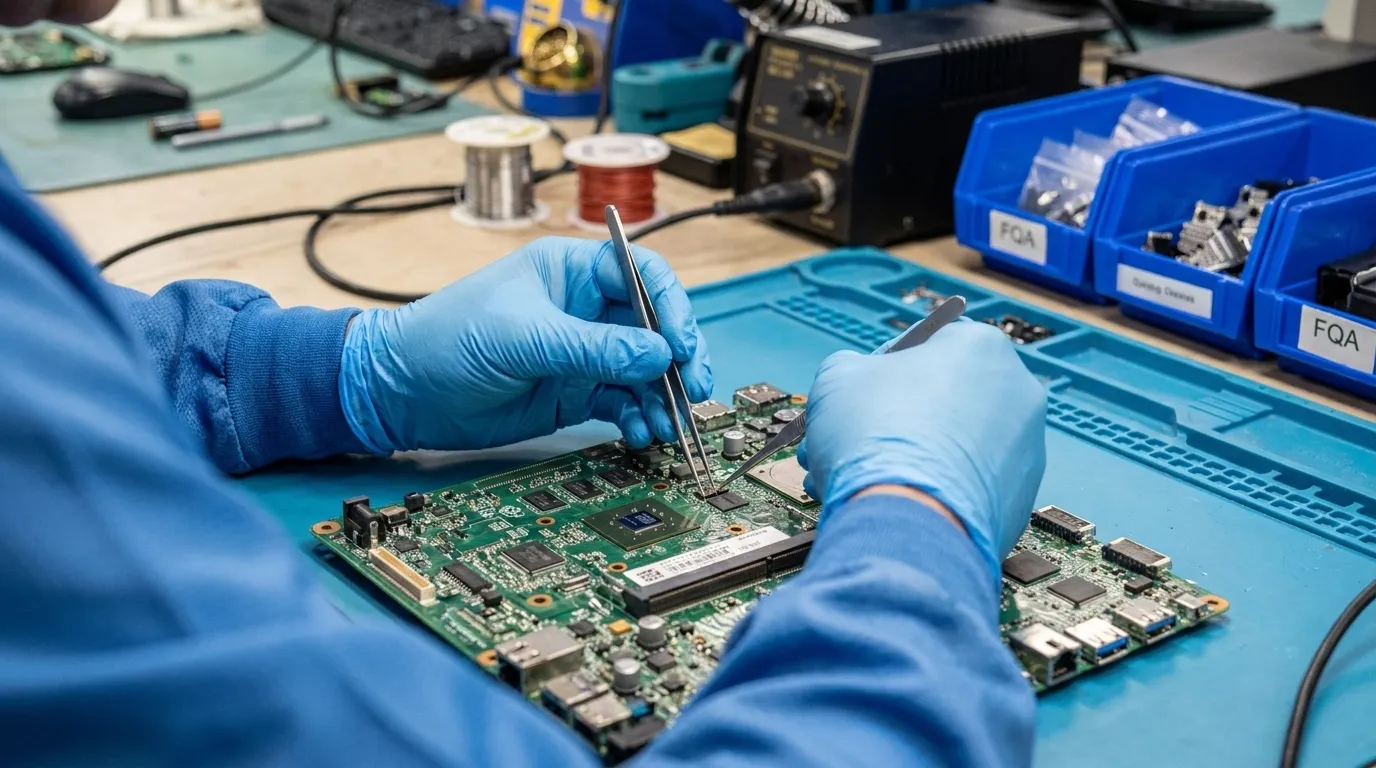
Key Takeaways for Enterprise RMA Operations
- Enterprise-scale warranty RMA programs rely on structured intake, diagnosis, repair and disposition that differ from consumer flows in scope and compliance burden.
- Accurate triage at intake is critical. Misclassifying repair depth creates rework loops that inflate turnaround time and erode SLA attainment.
- Compliance frameworks such as CMMC Level 2, TAA and SOC 2 Type II must sit inside depot operations when serving government or regulated enterprise clients.
- Leading indicators such as intake queue depth and parts fill rate, combined with lagging metrics such as turnaround time and first-pass fix rate, create a complete view of program health.
- Premier Logitech operates as a single-source lifecycle partner with ASC authorizations, TAA/NIST/CMMC/SOC 2 certifications and capacity to scale enterprise RMA programs. Talk to a lifecycle expert to evaluate fit for an enterprise operation.
Step 1: Intake and Triage Fundamentals
Intake sets the trajectory for every enterprise RMA program. Every downstream SLA depends on the accuracy and speed of what happens at the dock.
Inputs at this stage include inbound shipments with RMA numbers, packing manifests and, where applicable, pre-authorization data from the OEM warranty portal. Outputs are a verified asset record, with serial number confirmed, cosmetic condition graded, warranty status validated and repair tier assigned.
The core decision at triage is repair depth from L1 through L4. Misclassifying a unit as L1 when it requires L2 board-level work triggers the rework loops mentioned above. Accurate triage relies on trained technicians, OEM-specific diagnostic tooling and a serialized tracking system that follows the unit from receipt through final disposition.
Speed-versus-risk trade-offs are real at this stage. Accelerating intake throughput without sufficient diagnostic rigor increases misrouting, while slowing intake to reduce misrouting creates receiving backlogs. Neither extreme solves the underlying problem. Standardized triage protocols with defined escalation paths maintain both speed and accuracy.
Step 2: Diagnostics and Repair Authorization Controls
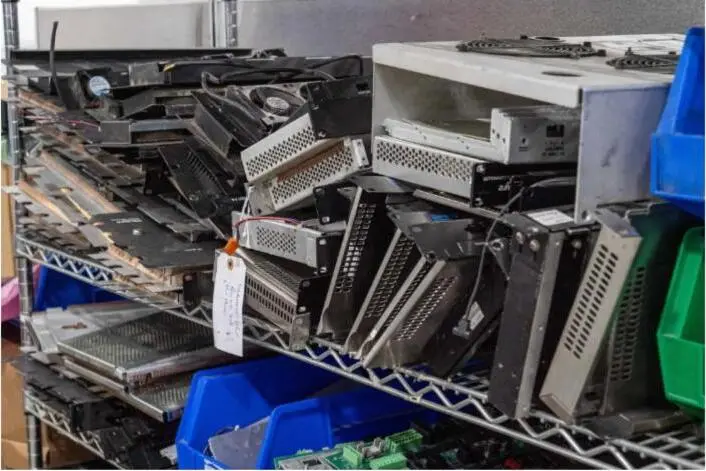
Each unit moves from triage into a formal diagnostic queue. The depot technician confirms the failure mode, documents findings against OEM fault codes and submits a repair authorization request when the warranty claim requires OEM approval before parts consumption.
Authorization delays directly affect SLA attainment at this stage. Contracts should define both the median and P95 targets for authorization cycle time, the moment the clock starts and stops, and the consequences of a breach, typically service credits documented in a Schedule of Service Credits.
A RACI matrix at this step clarifies who is Responsible, Accountable, Consulted and Informed across the depot, the OEM warranty portal team and the enterprise client operations team. Clear ownership prevents authorization delays from accumulating at handoffs between parties.
Consider a hypothetical scenario. A federal agency deploys 15,000 ruggedized laptops across field offices, and units arrive at the depot in batches of 500 per week. Without a pre-negotiated authorization path with the OEM, each batch waits in a diagnostic queue while individual claims route through a general warranty portal. A tiered SLA agreement with the OEM, pre-authorizing common failure modes up to a defined repair cost threshold, removes that queue for the majority of units.
Step 3: Parts and Labor Execution at Scale
ASC authorization defines which parts a depot may source and install. OEM-authorized depots use genuine manufacturer parts, which satisfies requirements for warranty-valid repairs. Non-authorized depots that use aftermarket components void the OEM warranty and create downstream liability for the enterprise client.
Labor execution at L3 and L4 depth, including component-level and board-level repair, requires certified technicians and OEM-specific tooling. Programs operating at 40,000 or more repairs per week need workforce planning, parts inventory positioning and production-line discipline to sustain throughput without quality degradation.
Step 4: Quality and Compliance Verification
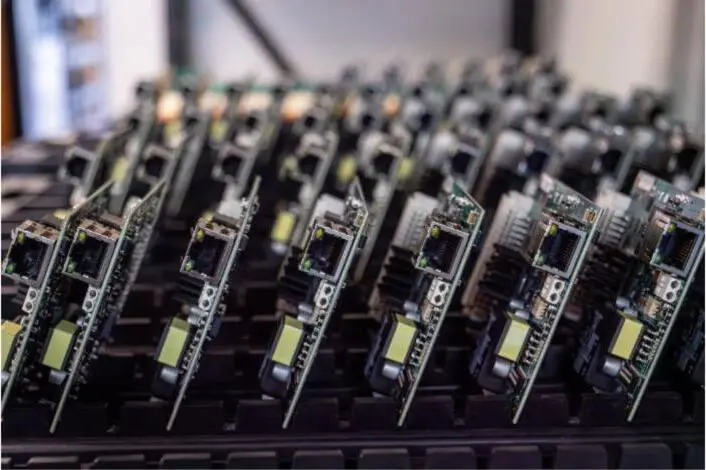
Every repaired unit must pass functional testing before it leaves the depot. For programs serving government clients, compliance verification adds a second layer that confirms the repair environment, data-handling practices and parts sourcing meet applicable frameworks.
CMMC Level 2 requires implementing all 110 security requirements of NIST SP 800-171 Revision 2 wherever Controlled Unclassified Information is stored, processed or transmitted. For a depot handling government devices, that scope includes the repair floor, diagnostic systems and any network the repaired unit touches during testing.
Under 32 CFR § 170.19, when an External Service Provider processes, stores or transmits CUI, that provider services fall within the contracting organization CMMC Assessment Scope and must be assessed as part of the organization assessment. Depot partners that cannot demonstrate CMMC readiness extend compliance risk to their clients.
TAA compliance applies to parts sourcing, so components installed under government contracts must originate from TAA-designated countries. SOC 2 Type II certification provides independent verification that the depot data-security controls operate consistently over time and supports enterprise data-governance obligations. Once a unit passes both functional testing and compliance verification, it moves to disposition.
Step 5: Disposition and Asset Recovery Strategy
After quality verification, each unit receives a disposition decision, such as return to service, advance exchange, refurbishment for secondary market, parts harvesting or responsible recycling. The disposition decision drives asset-recovery value.
Speed of disposition directly affects recovery yield, which makes timely decisions a financial lever. Advance-exchange programs have become a common response to this speed requirement for mission-critical assets.
In an advance-exchange program, a replacement unit ships upon claim validation before the defective unit returns, which minimizes downtime compared with standard return-first RMAs. These programs require forward-stocked inventory, serialized tracking and defined return windows, with non-return fees applied when deadlines are missed.
Step 6: Performance Reporting and Closed-Loop Review
Reporting connects operational execution with program governance. Monthly reporting cadence is standard, and high-volume programs benefit from real-time dashboards that surface SLA attainment, first-pass fix rates and parts consumption by failure mode.
Closed-loop review uses that reporting in a structured quarterly session between the depot, the OEM and the enterprise client. These reviews convert data into program adjustments. Recurring failure modes identified in reporting can trigger OEM engineering reviews or field-service interventions that reduce inbound RMA volume over time.
Common Operational Challenges and Root-Cause Mitigations
Several operational challenges recur across enterprise RMA programs at scale, and each has a clear mitigation path.
- Inaccurate asset data creates triage delays and warranty-validation failures when serial numbers are not captured at deployment. Serialized asset tagging at deployment, not at return, resolves this issue.
- Unclear ownership stalls claims at handoffs when responsibility for repair authorization spans multiple internal teams and the depot. A documented RACI matrix with defined escalation paths restores flow.
- Missed SLAs occur when programs conflate response time and repair time. SLA best practice distinguishes response time from repair time and includes stop-the-clock rules and quarterly review expectations. Clear definitions allow teams to locate the true source of delay.
- Non-compliant disposition arises when devices are disposed of without data destruction documentation or through non-certified recyclers. Documented ITAD procedures with audit trails protect against regulatory exposure.
How Leading and Lagging Indicators Measure Program Success
Leading and lagging indicators work together to provide full visibility into program performance. Leading indicators signal program health before SLA breaches occur and allow intervention before problems cascade into missed commitments. Lagging indicators confirm outcomes after the fact and validate whether interventions worked.
Leading indicators include:
- Intake queue depth relative to daily throughput capacity
- Parts fill rate against open repair orders
- Authorization cycle time trending week over week
Lagging indicators include:
- Turnaround time, where best-in-class repair claims programs target a median resolution under 5 business days with a P95 under 14 days.
- First-pass fix rate, which measures the percentage of units repaired correctly without rework and serves as a direct proxy for technician quality and diagnostic accuracy.
- Asset-recovery value, which tracks revenue recovered through refurbishment and remarketing relative to the cost of disposition.
- Compliance findings, including audit findings from CMMC assessments, SOC 2 reviews or TAA sourcing audits that indicate systemic control gaps.
Advanced Considerations: Automation, Routing and Circular Models
Programs that have stabilized intake, repair and disposition workflows can layer in automation to increase consistency and throughput. Automated diagnostic stations reduce technician variability at L1 and L2. Dynamic routing logic, which assigns units to repair tiers based on real-time queue depth and parts availability, improves throughput without additional headcount.
Circular-economy models extend the value of the RMA program beyond cost recovery. Repaired and refurbished units re-enter the supply chain as certified secondary-market inventory, which reduces new-unit procurement costs and diverts assets from landfill. Growth in the global ITAD market reflects increasing enterprise recognition of asset-recovery value.
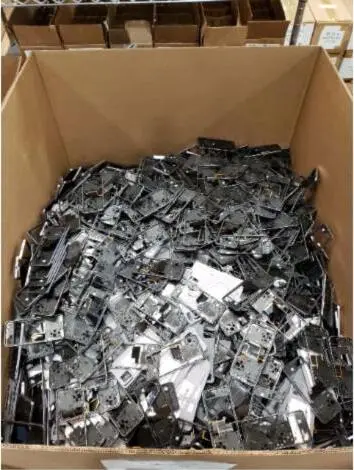
Readiness criteria for automation and circular-economy integration include stable serialized tracking, documented disposition workflows and at least two quarters of consistent SLA attainment. Programs that automate before stabilizing core processes amplify existing inefficiencies rather than eliminating them. A phased rollout that begins with automated diagnostics at L1, then adds dynamic routing, then introduces secondary-market integration, reduces implementation risk.
Frequently Asked Questions
What is the difference between an ASC-authorized depot and a general repair provider for enterprise warranty work?
An Authorized Service Center holds a formal certification from one or more OEMs to perform warranty repairs using genuine manufacturer parts and approved procedures. General repair providers lack that authorization, so repairs they perform may void the OEM warranty and create downstream liability. For enterprise programs where warranty validity and parts traceability are contractual requirements, ASC authorization functions as a baseline qualification rather than a differentiator.
Which compliance frameworks apply to depot repair programs serving government clients?
The applicable frameworks depend on the contract and the nature of data handled. TAA governs parts sourcing for federal procurement, as noted in the compliance verification step. CMMC Level 2 applies when the depot processes, stores or transmits Controlled Unclassified Information, as detailed in the compliance verification step above. SOC 2 Type II provides independent verification of data-security controls for enterprise clients with governance obligations. ISO 9001 and ISO 14001 address quality management and environmental responsibility respectively. Programs serving defense clients should assess CMMC scope early, because the depot environment falls within the contracting organization assessment scope.
How should SLAs be structured for high-volume enterprise RMA programs?
Effective SLAs define the specific metric, the measurement methodology including when the clock starts and stops, both median and P95 targets, monthly reporting cadence, breach consequences such as service credits and a dispute resolution process. Response time and repair time function as distinct metrics and should be defined separately. Stop-the-clock provisions, which pause the SLA clock during client-caused delays or parts sourcing events outside depot control, should be explicitly scoped and narrowly drawn. High-level commitments typically sit in the Master Services Agreement, with specific metrics and methodology in the Statement of Work.
What asset-recovery outcomes should enterprise programs target?
Recovery outcomes depend on asset age, condition at return and disposition path. Refurbishment and remarketing through secondary-market channels generally yield the highest recovery value. Parts harvesting from units beyond economic repair recovers component value. Responsible recycling through certified e-waste processors addresses units with no residual value while meeting environmental compliance requirements. Programs that delay disposition lose recovery value, because asset values decline each month after decommissioning. Integrating disposition decisions into the repair workflow, rather than treating them as a separate downstream process, accelerates recovery and reduces holding costs.
When does an advance-exchange program make sense versus a standard return-first RMA?
Advance exchange fits scenarios where device downtime has a direct operational or revenue impact, such as field service equipment, point-of-sale systems and government endpoint devices. Standard return-first RMA suits assets where a repair cycle does not disrupt operations. Advance-exchange programs require forward-stocked certified refurbished inventory, serialized tracking, defined return windows and credit or deposit mechanisms to cover non-return risk. Programs without those infrastructure elements in place should stabilize standard RMA operations before transitioning to advance exchange.
Next Step: Evaluating a National Authorized Depot Partner
Enterprise warranty RMA programs perform best when intake, repair, compliance verification and asset recovery operate under unified SLAs and certifications managed by a single partner with the authorizations and capacity to scale.
Evaluation criteria for a national depot partner include the number and breadth of OEM ASC authorizations, demonstrated capacity at required volumes, documented compliance certifications across TAA, NIST, CMMC and SOC 2, serialized asset tracking from receipt through disposition and a reporting infrastructure that supports closed-loop program review.
Premier Logitech holds ASC authorizations across multiple OEM brands, operates with repair capacity across multiple facilities with nearshore operations and maintains TAA, NIST, CMMC and SOC 2 certifications for government and enterprise programs. The company operates as a single-source lifecycle partner that covers intake, depot repair at L1 through L4, advance exchange, refurbishment, ITAD and compliance reporting, or as a modular provider for programs that need specific services integrated into an existing operation.
