Key Takeaways
-
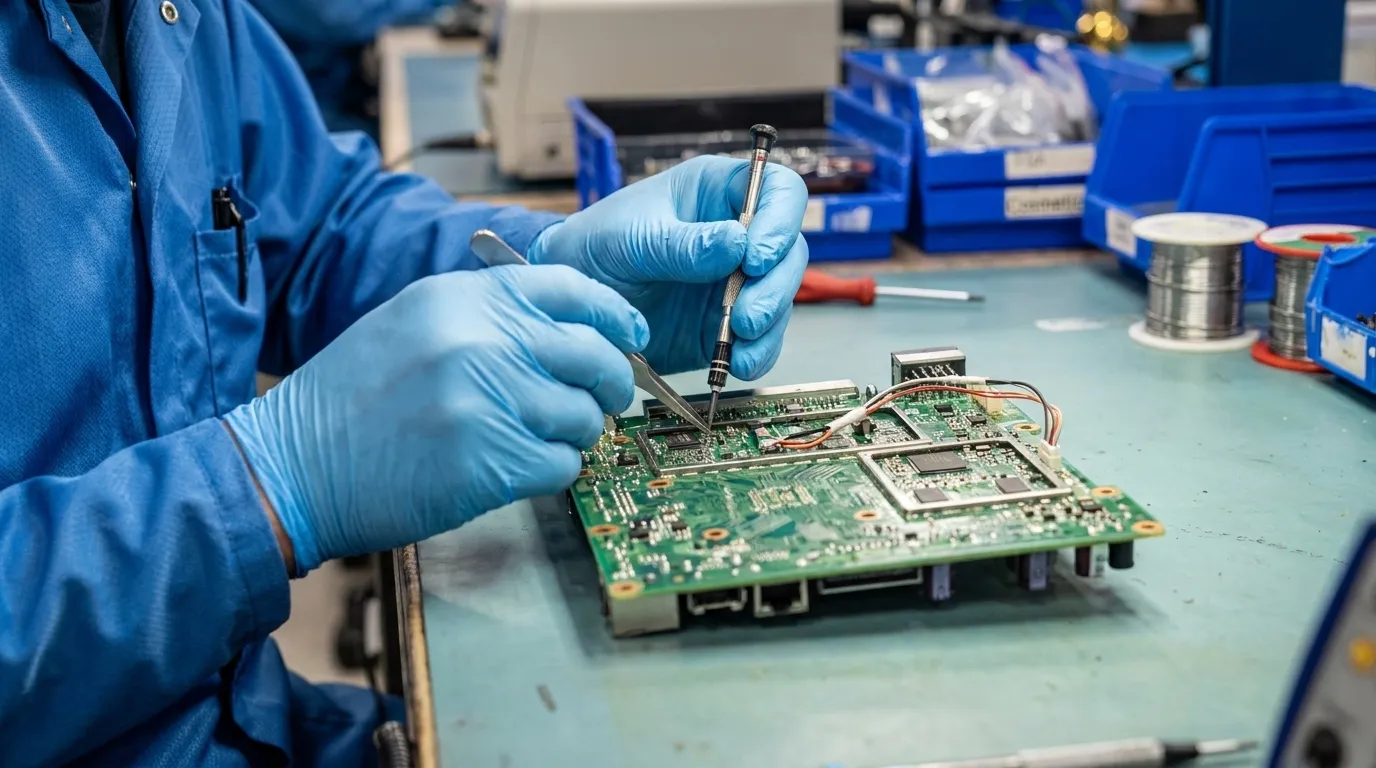
Reverse logistics warehouse services now function as a strategic value-recovery engine as North American growth and rising return rates increase operational pressure.
-
Core services span the full lifecycle, including RMA management, inspection and grading, depot repair, refurbishment, asset recovery, data destruction and compliant recycling, each with defined workflows and certified oversight.
-
Integrated WMS, TMS and AI tools accelerate processing, improve grading accuracy and provide real-time visibility that reduces cost per return and speeds cash recovery.
-
Key performance metrics such as 24-48 hour processing time, 60%+ asset recovery rate and strong first-pass yield establish the baseline for measuring program performance.
-
Premier Logitech delivers end-to-end reverse logistics capabilities across three DFW facilities and nearshore operations, supported by OEM-authorized repair, a unified compliance stack and a single-source model that scales without capital investment.
How Reverse Logistics Warehouse Services Differ from Forward Operations
Reverse logistics warehouse services differ from forward logistics and general 3PL warehousing in a fundamental way. Forward distribution centers focus on speed, accuracy and outbound throughput. Returns warehouses absorb variation in inbound volume, item condition, return reason and disposition requirements, which creates a different operational challenge.
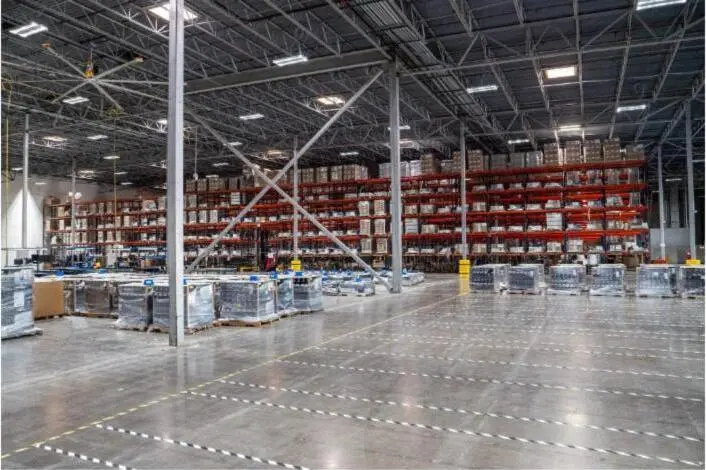
The scope of reverse logistics warehouse services includes returns processing, RMA management, inspection, sorting and grading, depot repair, refurbishment, asset recovery, secure data destruction, recycling and compliance reporting. These services map directly to five core functions that define the scope of any reverse logistics program:
-
Returns, receiving and processing products sent back by customers, retailers or field locations
-
Recalls, managing controlled retrieval and disposition of products withdrawn from the market
-
Repairs, restoring functionality through depot-level technical service
-
Repackaging, reconditioning products for resale or redeployment
-
Recycling, responsible material recovery and compliant disposal of end-of-life assets
Premier Logitech delivers all five as part of its end-to-end IT lifecycle solutions, including RMA intake, triage, depot repair at Levels 1 through 4, refurbishment, grading and responsible recycling. Understanding the scope of these services helps operations leaders evaluate which capabilities matter most for each return profile.
Explore Premier Logitech reverse logistics services.
Core Reverse Logistics Warehouse Services Across the Product Lifecycle
Returns Processing and RMA Management: Every return begins with authorization. A return merchandise authorization captures the original order number, return reason, expected condition and special handling instructions. This structure enables faster processing than unmanaged inbound flows. Premier Logitech manages RMA intake and triage as the first operational gate in its reverse logistics program.
Inspection, Testing and Grading: A common grading system uses an A-to-D scale, and each grade carries a different economic outcome. Grade A items are like-new and ready for sellable stock. Grade B items have slight cosmetic issues that need light refurbishing. Grade C items have obvious damage, so repair cost must be weighed against resale value. Grade D items are not salvageable and should be recycled or disposed. Because each grade determines the downstream path, grading accuracy at this stage drives the economic outcome of every subsequent decision.
Depot Repair (Level 1-4): Repair depth ranges from basic diagnostics and software resets at Level 1 through component-level and board-level repair at Levels 3 and 4. Premier Logitech holds ASC authorization for more than 20 OEM brands, which supports warranty-compliant repair.
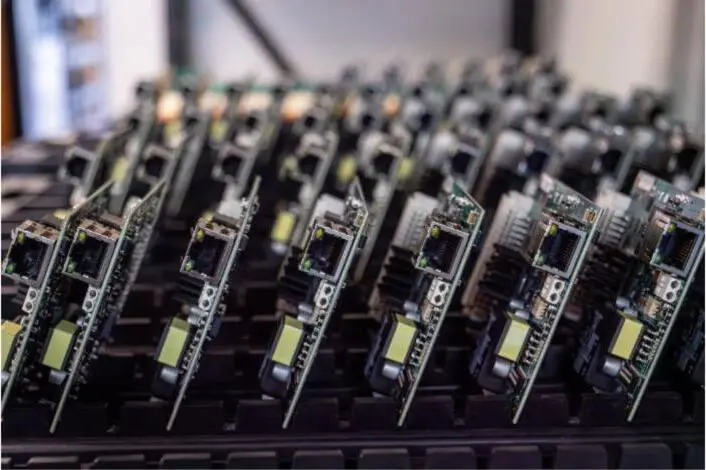
Refurbishment and Cosmetic Reconditioning: Resale preparation can include cleaning, testing, repackaging, relabeling or quality checks. Refurbishment may require repair labor, parts replacement, technical inspection or repackaging before an item returns to inventory or enters a secondary market channel.
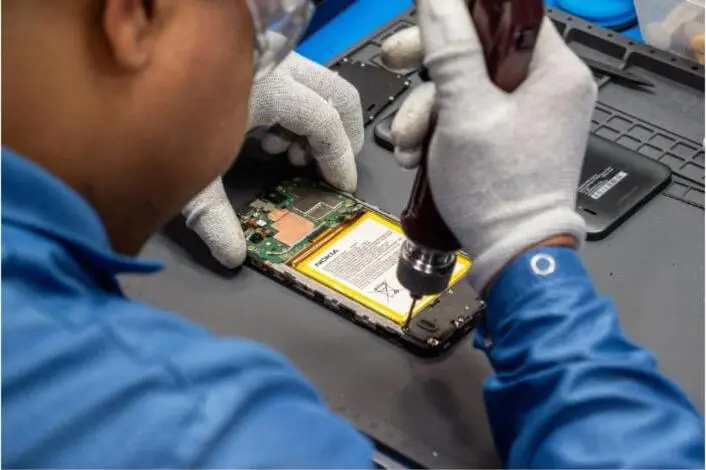
Asset Recovery and Remarketing: Specialized reverse logistics facilities can recover a high percentage of product resale value through rapid inspection, restocking and remarketing. Premier Logitech grading and refurbishment capabilities support resale into primary and secondary market channels.
Secure Data Destruction and E-Waste Recycling: NIST SP 800-88 defines three levels of data disposal. Clear, Purge and Destroy form the core U.S. government benchmark for defensible data sanitization workflows. Premier Logitech operates in compliance with NIST, CMMC, ISO 9001/14001, TAA and SOC II and holds CAGE Code 4WAJ9 as a pre-vetted partner for U.S. federal government work.
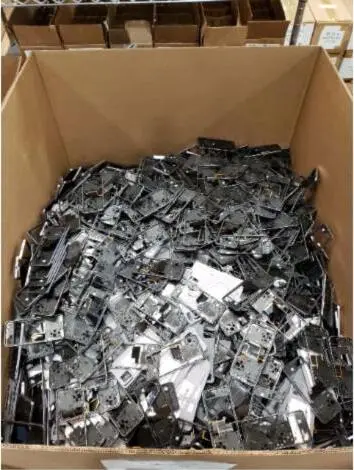
These services come together in a defined operational workflow that moves each return from intake to final disposition.
Get a customized reverse logistics program assessment.
How a Reverse Logistics Warehouse Works Step by Step
Those core services come together in a defined eight-step workflow. Automated disposition rules, a dedicated triage zone and linked RMA-to-WMS data reduce cost per return and speed cash recovery when each step runs with discipline.
-
Return Initiation and Authorization (RMA Creation): The return is authorized against the original order. The RMA ties the physical item to its order record and disposition rules before it reaches the dock.
-
Receiving and Intake at the Warehouse: Inbound packages are matched against expected RMA records. Workers document package condition and note visible transit damage, which supports carrier claims and separates customer-caused damage from shipping damage.
-
Sorting, Triage and Inspection: A dedicated triage zone handles quick assessment and sorting by disposition category. A core facility layout practice is to sort returns into restock, repair or recycle categories. This practice prevents undecided returns from blocking the rest of the operation.
-
Testing and Grading: Trained staff evaluate completeness, functionality and cosmetic condition. High-volume operations target inspection and grading completion within 24 to 48 hours of receipt, while many operations still take longer from dock to disposition decision.
-
Repair or Refurbishment: Items routed for repair enter the depot workflow. Premier Logitech L1-L4 repair capability covers software resets through board-level component work across its authorized OEM network.
-
Data Sanitization and Secure Wiping: A strong ITAD compliance stack combines NAID AAA for data destruction, R2v3 or e-Stewards for electronics recycling and ISO 27001 for information security management. Every device with storage media requires documented sanitization before disposition.
-
Disposition: Restock, Resale, Recycle or Disposal: Disposition paths in descending order of recovered value include restock, resell, refurbish, liquidate and recycle or dispose. Rules-based disposition logic tied to grade, SKU economics and channel availability guides the outcome for each unit.
-
Reporting and Analytics: Every step generates data. Premier Logitech TMS, real-time tracking and lifecycle analytics provide visibility across the full return cycle and support faster turnaround and accurate inventory control.
See the Premier Logitech reverse logistics workflow in action.
The Role of Technology in Reverse Logistics Warehousing
Technology functions as the control layer that separates a managed reverse logistics operation from an ad hoc one. A modern warehouse management system captures return details, guides inspection and disposition decisions and updates inventory so every movement remains traceable.
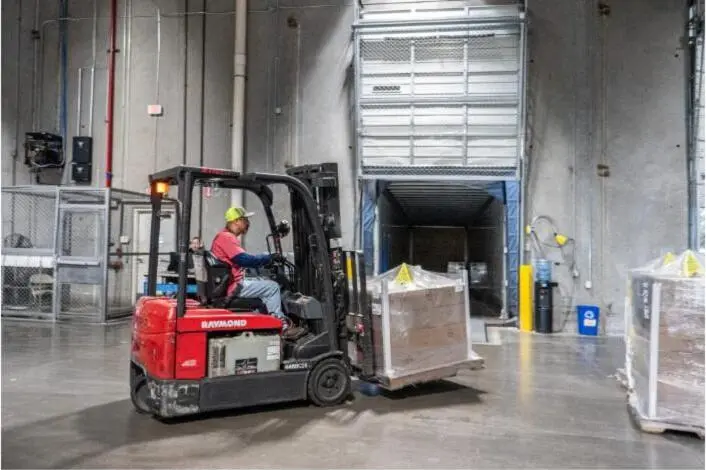
The core technology stack in a reverse logistics warehouse includes:
-
Warehouse Management Systems (WMS): Modern WMS platforms use predefined rules to suggest or automatically assign disposition paths based on inspection results. This structure reduces manual decisions at the grading station and lowers error rates.
-
Transportation Management Systems (TMS): Integrating a TMS consolidates reverse transport flows and reduces per-return freight cost. Premier Logitech operates its own TMS across a network of more than 120 vetted North American LTL carriers.
-
Automation, Conveyors, Sorters and Robotics: Automated sortation systems, robotics and AI-driven inspection tools enable faster and more accurate handling of returns in modern warehouses.
-
AI and Machine Learning: AI-powered reverse logistics uses machine learning, computer vision and predictive analytics to automate intake, condition grading, fraud detection, disposition routing and resale. McKinsey reports that computer-vision-assisted inspection can cut average return check-in time by 25-50% in large facilities.
-
IoT and Asset Tracking: IoT devices integrated with a WMS collect real-time data on equipment status and inventory movement and feed it into the system for monitoring and alerts.
Premier Logitech deploys TMS, real-time tracking and lifecycle analytics across its three DFW facilities and nearshore operations in Mexico, which creates a single visibility layer across the full reverse logistics program. That technology layer also generates the data needed to measure program performance.
Review Premier Logitech technology capabilities.
Key Performance Indicators for Reverse Logistics Warehouse Services
Measuring reverse logistics performance requires a defined KPI framework. A provider that reports KPIs by channel and SKU family manages reverse logistics as a disciplined program. The following metrics form the operational baseline:
-
Return Processing Time: This metric equals total time processing returns divided by the number of returns. Most warehouses should aim to complete returns processing within 24 to 48 hours of receiving the item. If average processing time exceeds 72 hours, the workflow should be examined for bottlenecks at the inspection and grading stage.
-
Repair Turnaround Time: This metric tracks elapsed time from depot intake to repaired unit disposition. Faster turnaround reduces inventory carrying costs and accelerates redeployment or resale.
-
First-Pass Yield: This percentage reflects units that pass inspection and testing without rework. Higher first-pass yield signals accurate grading and strong repair quality.
-
Asset Recovery Rate: Recovery value rate equals the percentage of a product original value recovered through the reverse logistics process. A target recovery rate of 60% or higher is a strong overall measure of returns process effectiveness.
-
Cost per Return: Cost per return equals the total expense associated with processing a single return, including shipping, labor and materials. Because that expense can consume a significant share of the item original value, reducing cost per return becomes a primary lever for program economics.
-
Inventory Accuracy: This percentage reflects returned items correctly logged, graded and located in the WMS. Inventory inaccuracies arise when returned items are not properly logged, which creates phantom stock that drives overselling, backorders and emergency expedited shipments.
-
Disposition Accuracy: Disposition accuracy measures audited correct dispositions fed back to inspection teams and reflects the quality of grading rules and operator calibration.
Premier Logitech provides operational reporting and lifecycle analytics that allow clients to monitor these metrics across programs and drive continuous improvement.
Request a reverse logistics reporting overview.
In-House Versus Outsourced Reverse Logistics Warehouse Services
The decision to build an internal reverse logistics operation or partner with a specialized provider depends on return volume, operational complexity, compliance requirements, capital availability and core competency. Each factor shapes the point where outsourcing becomes more effective than internal expansion.
Companies keep reverse logistics in-house when they need direct control over product quality, inventory recovery, brand standards or customer experience. They outsource to a 3PL when return volume, geography, facility space, labor requirements or process complexity exceed internal capacity. Outsourcing also protects forward distribution capacity because returns consume dock space, staging space, labor and management attention that would otherwise support outbound fulfillment.
In-house operations provide direct control and institutional knowledge but require sustained capital investment in facility space, WMS infrastructure, repair tooling, compliance certifications and trained labor. Most brands hit a complexity wall in returns processing between 500 and 2,000 returns per month. At that point the complexity of inspection, grading and multi-path disposition no longer scales linearly with headcount.
Outsourcing to a specialized provider like Premier Logitech delivers scalability, certified compliance and OEM-authorized repair depth without the capital burden of building those capabilities internally. Premier Logitech operates as both a single-source lifecycle partner and a modular services provider. Clients can engage for end-to-end program management or select individual services such as depot repair, refurbishment or recycling on a standalone basis. Nearshore operations in Laredo and Nuevo Laredo complement three DFW facilities and provide geographic flexibility and competitive cost structures for high-volume programs.
Evaluate the right operating model with a Premier Logitech specialist.
How to Select a Reverse Logistics Warehouse Services Provider
Provider selection should follow a structured evaluation against criteria that reflect operational, compliance and scalability requirements. Clear criteria support apples-to-apples comparison across potential partners.
-
Industry Experience and Service Scope: The provider should demonstrate proven experience with the specific product categories and return volumes relevant to the program.
-
Repair Depth and OEM Authorization: ASC status from OEM brands is a core requirement for warranty-compliant repair. Premier Logitech holds ASC authorization for more than 20 OEM brands, which creates a strong barrier to entry.
-
Compliance Certifications: Organizations sourcing reverse logistics partners commonly pair an environmental certification such as R2 or e-Stewards with a separate data-destruction certification such as NAID AAA. Premier Logitech operates under TAA, ISO 9001/14001, NIST, CMMC and SOC II frameworks and holds CAGE Code 4WAJ9 for government and enterprise programs.
-
Technology Infrastructure: The provider WMS, TMS and reporting layer must integrate with existing order management and ERP systems. Traceability linking every unit to an RMA, SKU, batch or serial with timestamped status updates represents a baseline capability requirement.
-
Scalability and Geographic Coverage: Multi-client shared networks represent the fastest-growing reverse logistics business model because they spread facility, labor, technology and transportation costs across multiple customers. A provider with multiple facilities and nearshore capability can flex with seasonal volume spikes without degrading SLA performance.
-
Security Clearances: For government and regulated enterprise work, CAGE Code status and CMMC compliance function as prerequisites. Premier Logitech CAGE Code 4WAJ9 identifies it as a pre-vetted high-security partner for U.S. federal government programs.
Schedule a discussion on reverse logistics provider selection.
Common Reverse Logistics Pitfalls and How to Avoid Them
Reverse logistics programs tend to fail in predictable ways. Recognizing these patterns early allows operations leaders to design programs that avoid them.
Fragmented Vendor Networks: Managing separate vendors for returns processing, repair, refurbishment and recycling creates handoff gaps, inconsistent grading standards and poor visibility. Consolidating into a single-source partner closes those gaps and creates a unified data record across the full lifecycle.
Lack of Visibility: Visibility in returns inventory remains one of the core operational challenges for teams managing returns at scale. Without real-time WMS and TMS integration, inventory inaccuracies compound and disposition decisions rely on stale data.
Unclear SLAs: Surge capacity that flexes by season, channel and event must appear in the SLA. SLAs should specify processing time targets, grading accuracy standards, reporting cadence and escalation procedures.
Compliance Gaps: The average cost of a data breach is $4.45 million per incident, and gaps in data sanitization or e-waste handling expose organizations to regulatory penalties and reputational risk. Certifications should be verified at the facility level through the relevant certification body directories.
Poor Data Security: An audit-grade certificate of destruction must be device-level rather than batch-level. It should list each device unique serial number, asset tag and make or model, the sanitization method and standard met, the date, time and location of the action and a chain-of-custody summary from pickup to disposition.
Premier Logitech addresses these pitfalls through single-vendor consolidation, real-time operational visibility and certified compliance across NIST, CMMC, ISO and SOC II frameworks, supported by OEM-authorized repair that meets warranty and regulatory requirements.
Discuss how Premier Logitech mitigates reverse logistics risk.
Turning Returns into Recovered Value
Reverse logistics warehouse services have moved from operational afterthought to strategic function. Rising return volumes, stricter data security and environmental regulations and the economics of asset recovery now make the reverse logistics operation a measurable contributor to margin.
The operational framework covered in this guide, including services, workflow, technology, KPIs and the build-versus-buy decision, gives supply chain and operations leaders a structure to evaluate current programs and identify where value remains untapped. For organizations managing high return volumes, complex repair requirements or government compliance obligations, a certified, scalable partner with OEM-authorized repair depth and real-time visibility offers a defensible path to program performance.
Premier Logitech has delivered end-to-end IT lifecycle and reverse logistics services since 2007, serving OEMs, enterprises, telecom providers and government agencies with a single-source model that covers every stage from RMA intake to responsible recycling.
Schedule a consultation with Premier Logitech to strengthen reverse logistics strategy.
