Last updated: August 14, 2026
Key Takeaways for Large HAM Fleets
- Hardware asset management (HAM) supports cost control, audit readiness and security for organizations managing 10K–100K+ device fleets.
- Effective HAM evaluations focus on five criteria: automated discovery accuracy, endpoint-manager integration depth, lifecycle workflow automation, total cost of ownership and compliance readiness.
- ServiceNow, Lansweeper, Flexera One, Ivanti Neurons and ManageEngine each provide distinct strengths in discovery, integration and workflow capabilities at enterprise scale.
- Software platforms do not handle physical operations. Depot repair, secure data destruction, TAA-compliant sourcing and chain-of-custody logistics require a managed-services partner.
- Premier Logitech delivers the physical lifecycle layer that complements any HAM platform, providing certified repair, logistics and compliance services; identify the gaps in the current stack.
Evaluation Framework for Enterprise HAM Short Lists
Large-fleet HAM evaluations benefit from a consistent set of criteria.
- Automated discovery accuracy maintains a fresh, reconciled inventory at enterprise scale.
- Endpoint-manager integration depth reflects how cleanly the platform syncs with Intune, Jamf and SCCM.
- Lifecycle workflow automation determines how well onboarding, offboarding and reconciliation run without manual effort.
- Total cost of ownership captures full licensing, implementation and integration costs at 10K–100K+ scale.
- Compliance readiness shows how the platform supports NIST, CMMC, TAA and chain-of-custody requirements for regulated fleets.
The sections below apply each criterion to leading platforms. The final sections address the physical lifecycle gap and how a managed-services partner closes it.
Automated Discovery Accuracy at Enterprise Scale
Accurate discovery and CMDB freshness prevent stale records across large fleets. Discovery cycles often degrade as fleets grow. A full pass that takes four hours on 10,000 assets can stretch to more than 40 hours on 100,000 assets, which allows records to age between scans.
No evidence confirms that Gartner stated typical CMDB accuracy sits around 60%. The figure appears in secondary sources without Gartner attribution, and Flexera’s 2024 State of ITAM report found that 53% of IT teams lack full asset visibility.
Among leading platforms:
- ServiceNow HAM Pro uses the Identification and Reconciliation Engine with tiered discovery to maintain CMDB accuracy at scale. It requires careful pre-implementation data quality validation before software normalization functions reliably.
- Lansweeper provides agentless discovery across Windows, Linux and macOS without agent installation. This approach suits large server environments where agent deployment creates operational friction.
- Flexera One uses custom quote-based pricing and targets enterprises that need deep software normalization with hardware discovery. Its discovery architecture requires direct vendor engagement to assess throughput at 100K+ scale.
Endpoint-Manager Integration Depth for Intune, Jamf and SCCM
Endpoint management platforms such as Microsoft Intune, Jamf Pro and SCCM provide primary sources of device compliance state, OS version, encryption status and patch level. When HAM tools fail to sync this data reliably, asset records drift and audit reports lose credibility.
Microsoft Intune users often find that the ITAM tool lacks the latest device patch and compliance status until a real-time sync is configured between Intune and the ITAM platform. Poor synchronization between identity providers and ITAM tools commonly causes assets to remain marked as active after employees leave, which creates security gaps.
Platform-specific considerations include the following points.
- Ivanti Neurons provides native UEM integration and unifies endpoint data across Intune and SCCM environments. This design reduces custom connector work for mixed Windows fleets.
- ManageEngine ServiceDesk Plus integrates asset discovery with ITSM workflows and supports Intune sync. Large-scale deployments require careful field-mapping validation to avoid duplicate configuration items.
- ServiceNow offers a broad integration surface but requires platform-specific setup. Its native CMDB with HAM and the Identification and Reconciliation Engine must be configured to prevent duplicate CIs when stable identifiers such as serial number or asset tag are missing.
Lifecycle Workflow Automation for Hybrid and Remote Fleets
Lifecycle automation reduces manual reconciliation, which often fails at scale. HRIS-ITAM integration failures force manual updates during onboarding, transfers and offboarding, which results in assets not being returned or devices assigned incorrectly.
For fleets at the 50,000-endpoint scale, the Lansweeper versus ServiceNow decision often centers on workflow depth.
- Lansweeper excels at agentless discovery and broad inventory coverage. It relies on integrations with external ITSM platforms to execute lifecycle workflows such as offboarding, ticket creation and reclamation tasks.
- ServiceNow provides native workflow automation within a single platform, including automated offboarding triggers, license reclamation and CMDB updates. This depth comes with higher implementation complexity and licensing spend.
Automated workflows that trigger asset reclamation tasks when HRIS data indicates an employee has left reduce reliance on manual updates that staff often skip. For Mac fleets scaling beyond 100 devices, zero-touch deployment through Apple Business Manager integration with MDM enables automatic enrollment and inventory registration at first boot.
Total Cost of Ownership and Licensing Models
Total cost of ownership shapes long-term HAM value. Licensing transparency varies across the HAM market. Flexera One and ServiceNow ITAM use custom quote-based subscription pricing with no public list prices available as of April 2026. Lansweeper offers tiered pricing starting at $239 per month for smaller asset volumes, with Enterprise custom pricing from 10,000 assets. ManageEngine AssetExplorer offers perpetual license and subscription options, making it one of the few platforms with published entry-level pricing.
For fleets at 10K–100K scale, the visible license fee rarely represents the largest cost driver. Integration development for non-native connections can add significant costs to implementation, while data migration from legacy systems or spreadsheets adds complexity for large enterprise environments. These hidden costs explain why TCO analysis must extend beyond list price.
IBM’s enterprise TCO methodology recommends evaluating SaaS investments over a multi-year window that includes subscription fees, implementation, integrations, training and ongoing support costs. Per-asset pricing models can be more cost-effective than per-user models for organizations managing large asset fleets.
Compliance Readiness for U.S. Enterprises and Agencies
Regulated fleets require HAM platforms that support strict inventory and handling standards. Software can document compliance activities but cannot complete physical steps.
NIST 800-53 control CM-8 requires a current, detailed inventory of system components with unique identifiers, while MP-6 requires media sanitization aligned to NIST SP 800-88 with documented procedures and disposal tracking. NIST Cybersecurity Framework ID.AM-1 requires updates within 24 hours of acquisition or retirement and quarterly reconciliation against network discovery tools.
Among platforms evaluated for regulated environments, two stand out.
- ServiceNow provides audit trail capabilities, CMDB chain-of-custody records and integration with GRC modules. These features make it a common choice for enterprises pursuing SOX Section 404 and HIPAA compliance workflows.
- Ivanti Neurons supports vulnerability management integration and compliance reporting, with native UEM data feeding asset risk scoring for NIST CSF alignment.
Auditors evaluating IT asset management compliance check for three elements: a named owner for every asset, asset status confirmed against a recent scan rather than an annual review and reconciliation of the asset record against financial or procurement data. Software platforms can generate the records that satisfy the first two requirements. The third requirement, which involves certified physical handling such as sanitization, chain-of-custody documentation and destruction certificates, requires an authorized services partner.
Closing the Physical Lifecycle Gap in HAM Programs
HAM platforms deliver discovery, inventory and workflow automation but do not handle devices physically. That gap becomes operationally significant at 10K–100K+ scale.
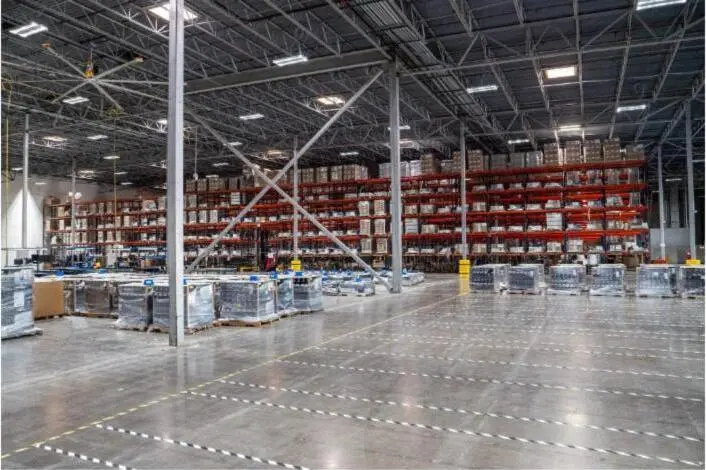
ITAM software can record laptop ownership, status and custody. It cannot ship, collect, inspect or repair devices, which forces separate logistics processes for global remote teams. That logistics gap becomes a compliance exposure for government agencies and regulated enterprises, where the physical layer carries requirements such as TAA-compliant sourcing, NIST SP 800-88 sanitization, CMMC-certified handling and documented chain of custody from deployment through destruction.
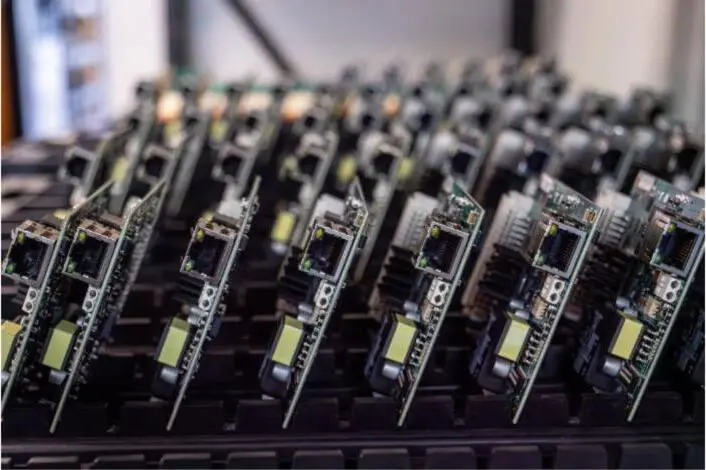
Premier Logitech supplies that physical lifecycle layer. As an end-to-end IT lifecycle and reverse logistics partner, Premier Logitech operates alongside any HAM platform to close gaps that software cannot address.
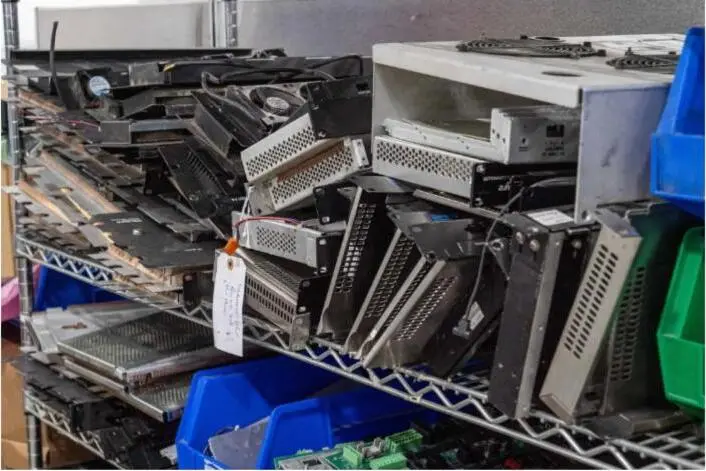
- Depot repair (L1–L4) with ASC authorization across more than 20 OEM brands, supporting both in-warranty and out-of-warranty claims
- Rapid exchange and next-day replacement programs for distributed and remote fleets
- TAA-compliant sourcing and procurement for government and regulated enterprise programs
- NIST SP 800-88-aligned secure data destruction with documented disposal certificates
- CMMC and SOC 2-certified handling for defense contractors and federal agencies
- ITAD and responsible recycling with compliance reporting for ISO 14001 and e-waste mandates
- Real-time inventory visibility through TMS and lifecycle analytics that feed back into the HAM platform of record
Single-vendor consolidation delivers measurable operational benefits. Fragmented relationships across repair, fulfillment and recycling vendors create reconciliation overhead, audit gaps and slower turnaround. Premier Logitech replaces that fragmentation with one accountable partner across the full lifecycle.
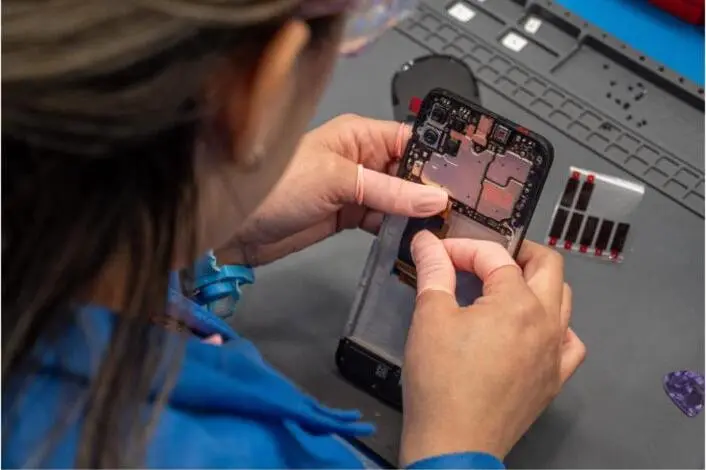
Decision Matrix: Align Fleet Profiles with Software and Services
Fleet profiles shape the right combination of HAM software and lifecycle services. Laptop-heavy hybrid fleets prioritize assignment workflows, MDM integration and offboarding automation. Data center environments require agentless network discovery, dependency mapping and rack-level tracking. Mixed fleets need both capabilities, plus a services partner that manages physical logistics across asset types.
Premier Logitech works with operations and procurement leaders to map current asset workflows against fleet profile requirements. That assessment identifies discovery blind spots, integration gaps and compliance exposures before they appear in audits.
The decision matrix used in these assessments aligns fleet size, endpoint mix, regulatory scope and existing tools with recommended HAM platforms and service bundles.
Frequently Asked Questions
What is the difference between hardware asset management software and a managed lifecycle services partner?
Hardware asset management software tracks, inventories and automates workflows for physical IT assets within a digital system of record. A managed lifecycle services partner executes the physical operations that software cannot perform, including procurement, configuration, depot repair, reverse logistics, secure data destruction and ITAD. Large fleets benefit from both layers. The software provides visibility and workflow automation, and the services partner handles the physical asset at every stage of its lifecycle.
Which HAM platforms are best suited for Intune-managed environments?
ServiceNow HAM Pro, Ivanti Neurons and ManageEngine ServiceDesk Plus each offer Intune integration, with different configuration requirements and workflow depth. ServiceNow provides broad workflow automation but requires careful CMDB configuration to prevent duplicate records. Ivanti Neurons is designed for unified endpoint management environments and reduces custom connector work for mixed Windows fleets. ManageEngine offers published pricing and a lower implementation barrier for mid-scale Intune deployments. In all cases, a real-time sync between Intune and the HAM platform keeps compliance and patch status current.
How does Premier Logitech support compliance requirements for government agency device fleets?
Premier Logitech holds TAA compliance, CAGE Code 4WAJ9 status as a pre-vetted federal partner, NIST and CMMC certifications, ISO quality frameworks, TAPA and SOC 2. For government device fleets, Premier Logitech provides TAA-compliant sourcing, NIST SP 800-88-aligned secure data destruction with documented disposal certificates, chain-of-custody tracking from deployment through retirement and compliance reporting that satisfies audit requirements under NIST 800-53, CMMC and related frameworks.
What are the hidden costs in enterprise HAM tool deployments?
Beyond the base subscription, large-scale HAM deployments commonly incur costs for integration development that connects non-native systems such as HRIS, MDM and ERP platforms. Data migration from legacy spreadsheets or prior CMDB systems adds effort. Ongoing administration for reconciliation and connector maintenance, along with audit preparation labor when records are not current, further increases TCO. IBM’s enterprise TCO methodology recommends evaluating any SaaS investment over a multi-year window that includes all of these cost categories, not just the license fee.
Can a single partner manage both the HAM software layer and the physical lifecycle operations?
Most HAM software vendors do not provide physical lifecycle services. Premier Logitech operates as a managed-services layer that works alongside any HAM platform, including ServiceNow, Lansweeper, Ivanti and ManageEngine, to execute the physical operations that software records but cannot perform. These services include depot repair, rapid exchange, reverse logistics, ITAD and TAA-compliant procurement. Organizations that consolidate physical lifecycle operations with Premier Logitech reduce vendor fragmentation, strengthen chain-of-custody documentation and accelerate turnaround across the full device lifecycle.
Next Step: Map Current Asset Workflows
The right HAM platform depends on fleet composition, endpoint management environment, compliance obligations and the operational maturity of the managing team. The right services partner depends on whether physical lifecycle execution, including repair, logistics, ITAD and compliance handling, remains fragmented, manual or absent.
The workflow assessment described above becomes the foundation for a lifecycle program that extends the HAM platform of record with certified physical operations.
