Last updated: August 1, 2026
Key Takeaways for 3PL Inventory Decisions
- 3PL inventory management solutions fall into two categories: software platforms run internally and outsourced partners that assume full operational responsibility.
- Key evaluation criteria for 2026 include lot and serial traceability, ERP integration depth, multi-warehouse visibility and US compliance certifications such as TAA, NIST, CMMC and SOC 2.
- Software platforms require manufacturers to own implementation, compliance and ongoing operations, while outsourced 3PL partners convert fixed capital costs into variable operating expenses.
- Leading outsourced partners such as Premier Logitech provide manufacturing-specific compliance credentials, multi-facility capacity and lifecycle services that fit mid-market manufacturers.
- Explore how Premier Logitech can map the right inventory management model to a manufacturing operation.
Software vs. Outsourced 3PL for Manufacturers
Software platforms transfer ownership of warehouse execution to the internal manufacturing team. The manufacturer licenses the system, funds implementation, manages integrations and carries compliance responsibility. Outsourced 3PL partners assume operational ownership, staffing, facility costs and regulatory accountability on the manufacturer behalf.
The capital requirements differ materially. First-year WMS project costs for mid-sized operations typically cover software licensing, implementation services, hardware and internal labor, which creates a large upfront investment before the system processes a single order. Outsourced 3PL partners eliminate that barrier by converting those fixed costs into variable operating expenses tied to throughput and storage volume.
Compliance responsibility also shifts. A software licensee owns every audit, certification renewal and regulatory gap. An outsourced partner with existing certifications such as TAA, NIST, CMMC and SOC 2 absorbs that burden within its operating model.
Scalability follows the same logic. Adding a warehouse node to a self-operated WMS requires configuration, hardware and staffing. An outsourced partner with existing multi-facility capacity can absorb volume growth without the manufacturer building internal infrastructure.
The largest software platforms in this space include Extensiv, ShipHero, Deposco, Logiwa and PackemWMS. Leading outsourced partners include Premier Logitech and other national 3PL operators with manufacturing-specific compliance credentials.
Discuss warehouse model options with Premier Logitech.
Critical 3PL Capabilities for Manufacturers
Lot and serial traceability serve different purposes. Lot tracking identifies a batch sharing a common production or receipt history, while serial traceability identifies one specific unit and its individual history across assembly, test, packaging, shipment, repair and field events. Serial traceability requires more transactions, tighter label discipline and deeper integration with ERP, MES and QMS systems.
A capable 3PL captures serial numbers at receiving, maintains the link between serial number and storage location, verifies the exact unit at pick-and-pack and confirms whether the same unit returns through the returns lane, creating a complete chain of custody. This capability resolves warranty claims, return fraud and targeted recalls in ways that SKU-level tracking cannot.
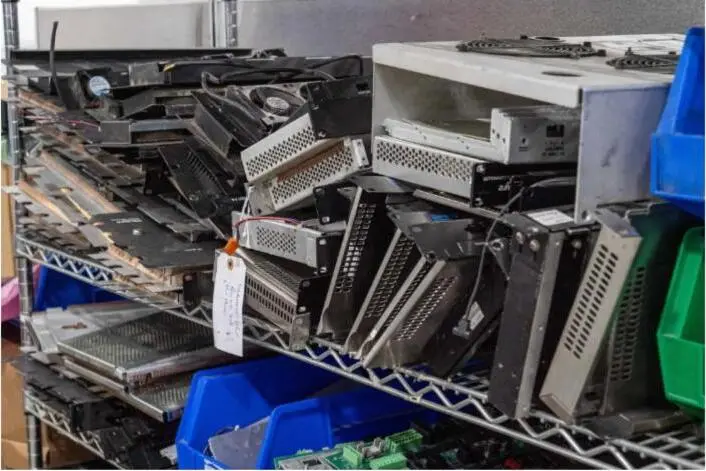
Modern WMS tools allow 3PLs to reach high inventory accuracy. Manufacturers should verify that any partner or platform uses on-device validations, guided workflows and automated exception handling to support consistent performance.
Multi-warehouse visibility depends on real-time updates, not batch refreshes. Batch refreshes create phantom inventory, stockouts and over-ordering. A rules-based system can automatically reroute orders to another facility if inventory at one location drops below a set threshold.
US compliance certifications to verify include TAA for government-adjacent supply chains, NIST SP 800-171 and CMMC for controlled unclassified information environments and SOC 2 for data security governance. Federal contractors handling Controlled Unclassified Information must flow down NIST SP 800-171 requirements to subcontractors under DFARS clause 252.204-7012.
Top 3PL Inventory-Management Software Platforms in 2026
Several platforms dominate search results for 3PL inventory management software, and each targets a different segment of the market.
- Extensiv 3PL Warehouse Manager supports serial, lot and expiration tracking along with barcode scanning and compliant UCC-128/GS1-128 labeling. Prebuilt integrations and open REST APIs connect with order management systems and ERPs. Implementation timelines for mid-market deployments typically run several months.
- ShipHero targets mid-market 3PLs with multi-client warehouse management and carrier integrations. The platform fits ecommerce-heavy fulfillment operations.
- Deposco offers configurable FIFO, LIFO and FEFO logic applied automatically by account, along with specialized zone tracking for cold storage, cross-dock and hazmat. API-first connectivity reduces integration time for common ERPs.
- PackemWMS targets smaller 3PL operations with tiered subscription pricing and implementation timelines of two to five weeks for standard deployments.
These platforms require the manufacturer or 3PL operator to own implementation, compliance and ongoing system management. Implementation services for mid-market WMS deployments can represent a significant portion of the total first-year cost.
Leading Outsourced 3PL Partners for US Manufacturers
For manufacturers seeking to avoid those ownership burdens, outsourced 3PL partners provide an alternative model. Premier Logitech operates as a single-vendor outsourced 3PL and lifecycle services partner for IT OEMs, telecom providers, consumer electronics manufacturers and government agencies. Founded in 2007, the company holds TAA, NIST, CMMC, SOC 2, TAPA and ISO certifications and carries a CAGE Code (4WAJ9) as a pre-vetted federal partner.
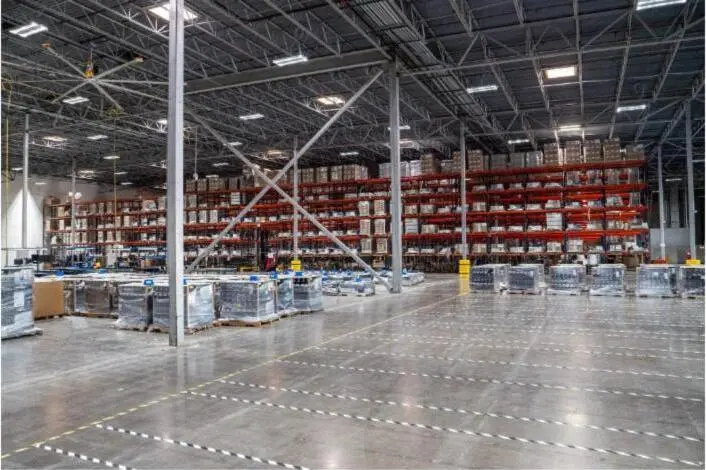
Premier Logitech operates three DFW facilities with nearshore capacity in Laredo and Nuevo Laredo, Mexico. That footprint supports multi-facility inventory management, real-time traceability and cross-border logistics without requiring the manufacturer to build or lease additional warehouse infrastructure.
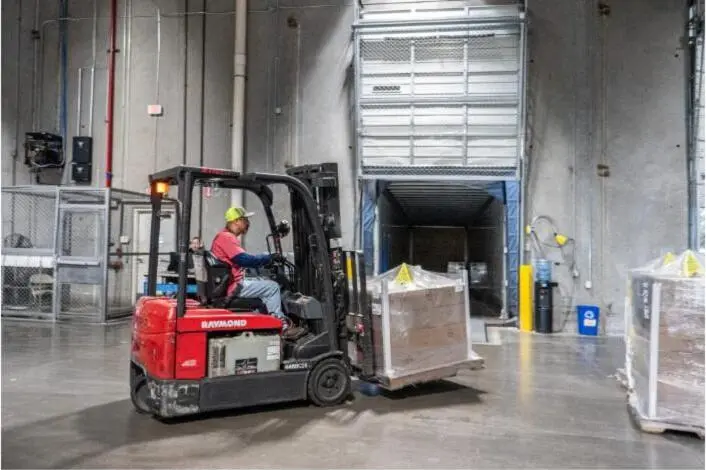
The company holds more than 20 OEM Authorized Service Center authorizations, which creates a compliance barrier that competitors without those authorizations cannot match. Services span the full technology lifecycle: sourcing, contract manufacturing, configuration, kitting, warehousing, 3PL and 4PL inventory management, transportation, reverse logistics, depot repair and certified recycling.
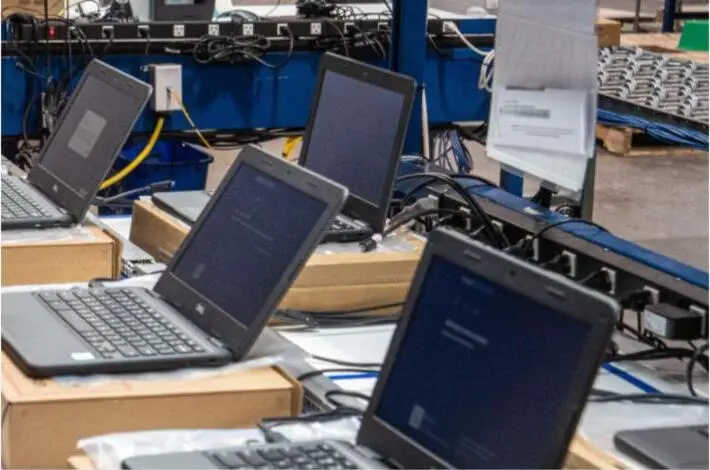
Manufacturers can engage Premier Logitech for end-to-end program management or select modular services such as configuration and fulfillment, lifecycle and depot services or transportation on a standalone basis. That flexibility allows mid-market manufacturers to outsource specific lifecycle stages without committing to a full program rebuild.
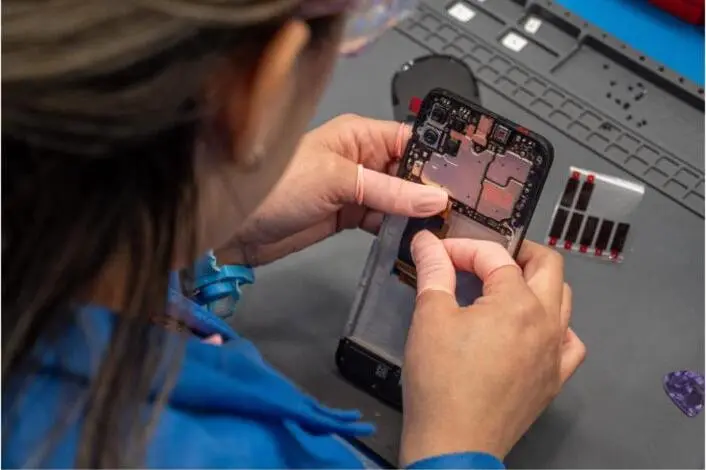
See how Premier Logitech capabilities align with a specific manufacturing program.
Pricing Signals and Implementation Timelines
Software platform costs in 2026 separate into recurring subscription fees and one-time implementation services. Mid-market WMS deployments include five distinct cost lines: software subscription, implementation services, integrations, hardware and internal labor. For a single-warehouse mid-market 3PL with clean data and moderate integrations, implementation timelines of 8 to 12 weeks are realistic. Multi-warehouse environments with complex ERP and EDI integrations generally take 3 to 6 months.
Outsourced 3PL partner pricing operates as a variable operating expense driven by order throughput, storage volume and add-on services. Technology and WMS access from outsourced 3PL partners is typically bundled into base fees, though API integrations and real-time sync carry additional monthly costs. This variable-cost structure, introduced earlier, eliminates the capital outlay for hardware, scanners and internal IT labor that software-only deployments require.
For mid-market manufacturers on a 30-day evaluation timeline, outsourced partners with existing certified infrastructure compress the path to operational readiness compared with a self-managed WMS build-out.
Size-Based Recommendations for Mid-Market Manufacturers
Manufacturers in the $50 million to $300 million revenue range typically lack the internal WMS team, compliance infrastructure and facility footprint to operate enterprise-grade warehouse management software at scale. Closing those gaps internally requires capital, headcount and ongoing certification maintenance, which diverts resources from core manufacturing operations without directly improving product quality or time to market.
Modular outsourced programs address this gap. A manufacturer can engage an outsourced partner for lot and serial traceability, ERP synchronization and compliance-certified warehousing without standing up a WMS, hiring warehouse operations staff or managing annual certification audits. As volume grows, the outsourced partner scales capacity by adding facility nodes, throughput and service lines without requiring the manufacturer to replatform or renegotiate infrastructure leases.
Premier Logitech modular service model fits this segment. Manufacturers can start with configuration and fulfillment, add lifecycle and depot services and expand to full reverse logistics and recycling as program needs evolve.
Evaluating ERP Integration Quality
ERP integration often causes implementation delays and post-go-live data errors in 3PL deployments. Mismatched SKU formats, unit-of-measure discrepancies, inconsistent address fields and varying date formats cause transactions to fail or process incorrectly across trading partners.
Three technical practices separate reliable integrations from brittle ones.
- Idempotency uses idempotency keys attached to each transaction to prevent duplicate processing when retry logic fires after a connection drop. Without them, double shipments and billing disputes follow.
- Real-time synchronization ensures that shipment updates, inventory changes and fulfillment data flow back to the ERP so it remains the system of record for orders, financials and inventory accuracy.
- Error handling and alerting relies on alerting and error management so failed 3PL transfers surface quickly, which prevents inventory gaps, delayed shipments and customer support issues.
Premier Logitech uses API-first connectors to synchronize inventory, order and lifecycle data with manufacturer ERP systems including SAP, Oracle and Microsoft Dynamics environments. The integration architecture keeps the ERP as the system of record while Premier Logitech manages physical execution across its DFW and nearshore facilities.
Common Questions from US Manufacturers
Manufacturers evaluating 3PL inventory management options often raise similar questions. The answers below draw on current research and the Premier Logitech operating model.
What does 3PL inventory management cost?
Cost depends on the model chosen. Software platforms carry subscription fees plus implementation services, hardware and internal labor. Outsourced 3PL partners price primarily as variable operating expenses tied to order throughput and storage volume. Manufacturers should evaluate total first-year cost across all five cost lines, not subscription fees alone.
Who are the largest 3PL providers for manufacturers?
National providers include Ingram Micro, FedEx Supply Chain, Flex and CEVA. Premier Logitech differentiates through manufacturing-specific compliance certifications such as TAA, NIST, CMMC and SOC 2, 20-plus OEM ASC authorizations and a DFW hub with nearshore Mexico capacity, a combination that generalist 3PLs without those authorizations cannot replicate.
What software do manufacturers use for 3PL inventory management?
Common platforms include Extensiv, ShipHero, Deposco and NetSuite WMS. In 2026, providers are shifting toward configurable WMS solutions over rigid SaaS platforms to support client-specific workflows. Manufacturers that outsource to Premier Logitech access real-time inventory visibility and ERP synchronization without licensing or managing a WMS internally.
How does compliance affect 3PL partner selection?
A 2025 BlueVoyant study found that 97% of organizations were negatively impacted by a supply chain breach in the last 12 months. Manufacturers supplying government agencies or handling controlled unclassified information must verify that 3PL partners hold current NIST, CMMC and SOC 2 certifications, not just self-attestations.
Next Steps for Selecting a 3PL Inventory Model
The evaluation framework for 3PL inventory management solutions covers four criteria: lot and serial traceability, ERP integration depth, multi-warehouse visibility and US compliance certifications. Software platforms require the manufacturer to own implementation, compliance and ongoing operations. Outsourced partners with existing certified infrastructure absorb those responsibilities within a variable-cost model.
Premier Logitech holds the compliance certifications, OEM authorizations and multi-facility capacity that mid-market US manufacturers need to build a defensible short list. The company operates as a single-vendor partner across the full technology lifecycle, from sourcing and configuration through warehousing, fulfillment, reverse logistics and certified recycling.
Frequently Asked Questions
What is the difference between 3PL inventory management software and an outsourced 3PL partner?
3PL inventory management software is a platform a manufacturer or logistics operator licenses and runs internally. The licensee owns implementation, staffing, compliance and system maintenance. An outsourced 3PL partner assumes physical and operational responsibility for inventory management on the manufacturer behalf, including warehousing, traceability workflows, compliance certifications and ERP synchronization. For mid-market manufacturers without internal WMS infrastructure, an outsourced partner converts fixed capital costs into variable operating expenses while delivering certified compliance from day one.
What compliance certifications should a 3PL partner hold for US manufacturers?
The relevant certifications depend on the manufacturer customer base and data environment. TAA compliance applies to supply chains serving US government agencies. NIST SP 800-171 and CMMC apply when the manufacturer handles Controlled Unclassified Information or serves defense contractors. SOC 2 Type II governs data security for systems handling sensitive inventory and customer data. ISO 9001 and ISO 14001 address quality and environmental management. Premier Logitech holds the full range of manufacturing-relevant certifications discussed earlier, including TAA, NIST, CMMC and SOC 2, along with a CAGE Code for federal contracting.
How does lot tracking differ from serial number traceability in a 3PL environment?
As explained in the capabilities section, lot tracking identifies batches with shared production history, while serial traceability tracks individual units through their entire lifecycle. The key operational difference is that serial traceability requires more scanning steps, tighter label discipline and deeper ERP integration to maintain unit-level chain of custody.
What ERP systems does Premier Logitech integrate with?
Premier Logitech uses API-first connectors to synchronize inventory, order and lifecycle data with major ERP platforms including SAP, Oracle and Microsoft Dynamics environments. The integration architecture keeps the manufacturer ERP as the system of record while Premier Logitech manages physical execution across its DFW facilities and nearshore Mexico operations. Integration design follows best practices for idempotency, real-time synchronization and error handling to prevent inventory drift and duplicate transactions.
Can a mid-market manufacturer engage Premier Logitech for only part of the lifecycle?
Premier Logitech operates as both a single-source lifecycle partner and a modular services provider. Manufacturers can engage the company for end-to-end program management across the full technology lifecycle or select individual services such as configuration and fulfillment, lifecycle and depot services or transportation on a standalone basis. This structure allows a manufacturer to outsource specific stages, such as lot-tracked warehousing and ERP-synchronized fulfillment, without committing to a full program rebuild or displacing existing vendor relationships.
