Last updated: August 6, 2026
Key Takeaways for EEE Circular Programs
- Circular economy strategies for EEE work best with clear playbooks that embed circular principles at every lifecycle stage, from eco-design through compliant end-of-life disposition.
- Operational levers such as authorized service-center networks, secure chain-of-custody, real-time inventory visibility and modular program design separate programs that generate measurable ROI from those that remain theoretical.
- Common pitfalls include fragmented vendors, limited traceability and unclear SLAs. Vendor consolidation, asset tagging at deployment and defined processing velocity and recovery rate targets reduce these risks.
- Key performance indicators such as recovery rate, cost per returned unit and compliance audit readiness give operations leaders a complete ROI picture and reduce audit risk under state and federal electronics recycling laws.
- Premier Logitech provides certifications, repair authorizations, traceability systems and logistics scale to execute modular or end-to-end circular EEE programs. Talk to a lifecycle expert to start building a program aligned with organizational scale and compliance requirements.
Lifecycle Strategies and Outcomes by Stage
The table below links each EEE lifecycle stage to one practical strategy and one measurable outcome. Each row reflects practices drawn from current research and regulatory guidance.

| Lifecycle Stage | Actionable Strategy | Measurable Outcome |
|---|---|---|
| Design | Apply Design for Disassembly (DfD) standards: standardized fasteners, labeled mono-materials, hierarchical disassembly sequences | Reduced labor cost at end-of-life, higher component reuse yield |
| Sourcing | Prioritize TAA-compliant, trade-verified suppliers and integrate EPEAT environmental criteria into procurement | Reduced regulatory exposure and audit-ready procurement records |
| Deployment | Implement asset tagging, serialization and cloud-based provisioning at configuration stage | Full chain-of-custody traceability from day one |
| Use / Repair | Engage authorized service centers (ASC) for L1–L4 depot repair and rapid exchange programs | Higher first-time fix rate and lower mean time to repair (MTTR) |
| Reverse Logistics | Standardize RMA intake, triage and grading workflows with real-time inventory visibility | Reduced cost per return and faster processing velocity |
| Refurbishment / Remanufacturing | Apply certified cosmetic refurbishment and functional grading for secondary market channels | Value recovery rate benchmarked against industry benchmarks |
| Recovery / Recycling | Route non-recoverable units to R2- or e-Stewards-certified recyclers with secure data destruction and RCRA-compliant disposition | Documented diversion from landfill and compliance audit readiness |
Operational Levers That Drive Measurable Results
Four operational levers consistently separate high-performing circular EEE programs from those that stay on paper.
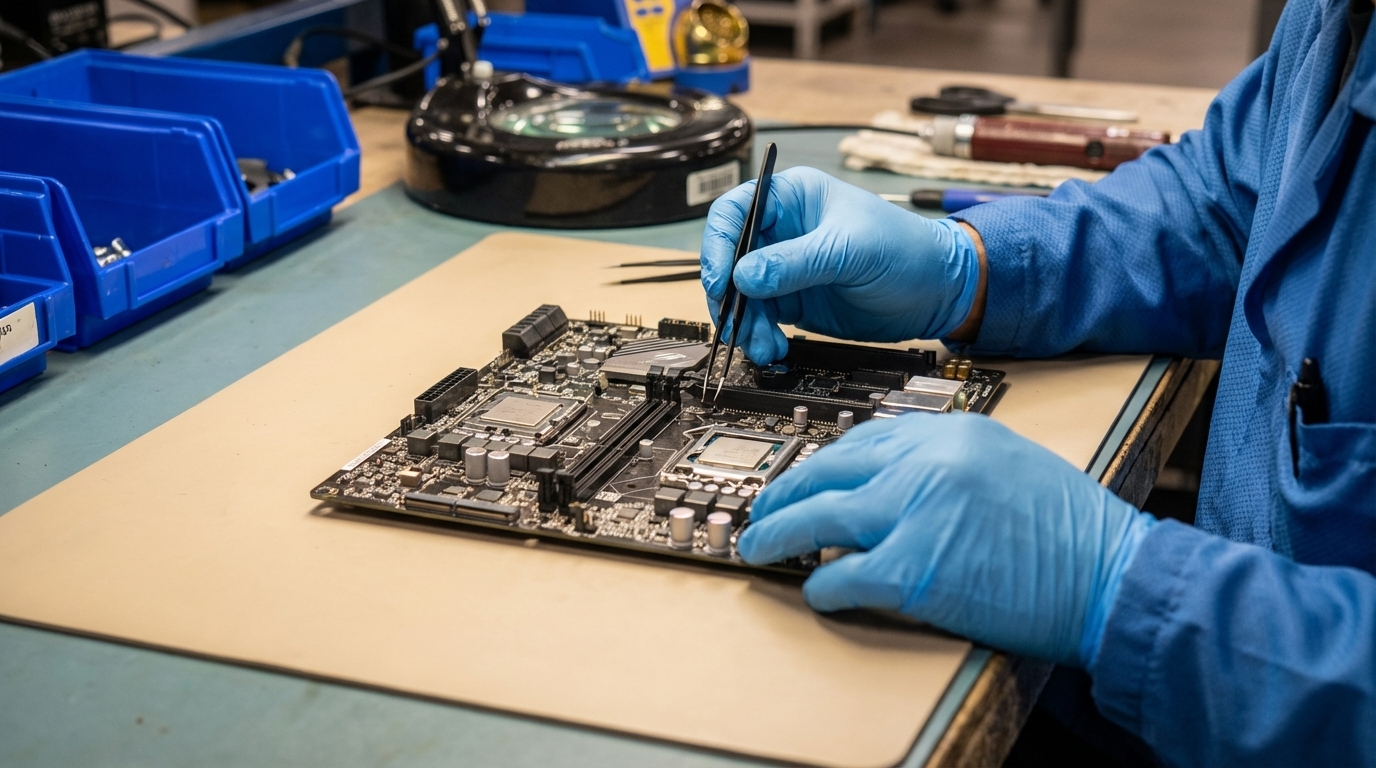
Authorized service-center networks. OEM authorization preserves warranty validity, ensures access to genuine parts and limits liability. Component-level repair through microsoldering fixes individual bad components on a logic board instead of replacing the entire board, which keeps devices operational past the point where swap-only programs would retire them.

Secure chain-of-custody. EPA R2 and e-Stewards certification standards require certified facilities to ensure destruction of all data on used electronics. For government and enterprise clients operating under NIST, CMMC or SOC 2 frameworks, documented chain-of-custody functions as an audit requirement and supports contract renewals.
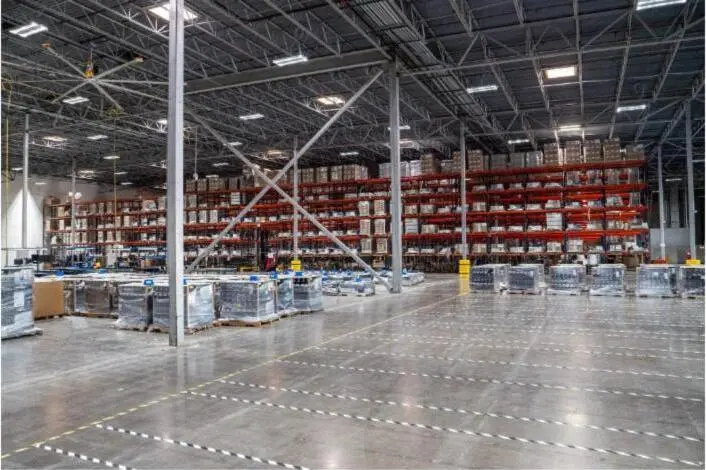
Real-time inventory visibility. Every day of idle time in the reverse chain erodes value, especially in electronics due to device depreciation. Transportation management systems and lifecycle analytics platforms give operations teams data to reduce dwell time and prioritize high-value disposition paths.
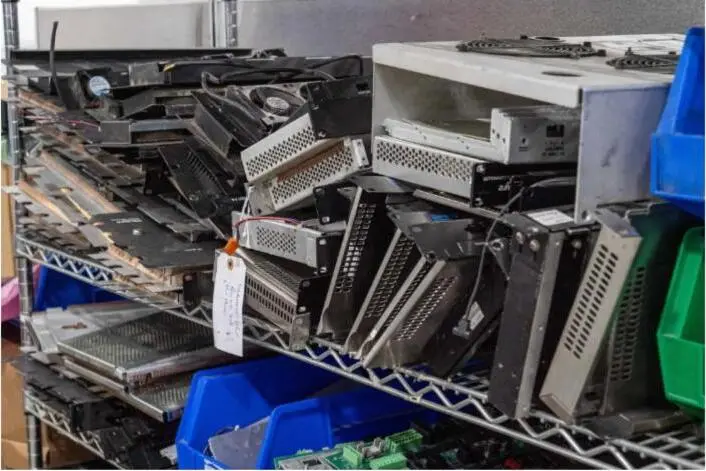
Modular versus end-to-end program design. Not every organization requires a full lifecycle overhaul at launch. Modular engagement, where teams select repair, fulfillment or recycling as standalone services, lets operations address the highest-cost bottleneck first. Scope can then expand as ROI becomes clear. Even with these levers in place, several recurring failure patterns can still undermine performance.
Common Pitfalls in EEE Programs and Practical Fixes
Three failure patterns appear consistently across EEE lifecycle programs and each has a direct operational remedy.
Fragmented vendors. Managing separate providers for repair, fulfillment and recycling creates handoff gaps, inconsistent data and compounding overhead. Vendor consolidation into a single-source partner removes redundant coordination and creates a unified data record across the lifecycle.
Limited traceability. Traceability, mass balance and downstream refining capacity determine whether a recycling claim holds up under scrutiny. Programs without serial-number linkage, bill-of-materials data and assay reports struggle to satisfy ESG reporting requirements or government audits. Asset tagging at deployment, rather than at return, closes this gap and supports credible reporting.
Unclear SLAs. Vague turnaround commitments allow processing velocity to drift, which erodes recovery value and makes cost per unit unpredictable. To prevent this drift, SLAs should specify processing velocity, recovery rate targets and compliance reporting cadence, not just volume throughput.
Measuring ROI with Clear EEE Lifecycle KPIs
Three KPI categories give operations leaders a complete and practical ROI picture.
Recovery rate measures the percentage of original asset value recaptured through resale, refurbishment or material recovery. Enterprise IT equipment can achieve substantial value recovery rates in reverse logistics. Programs that apply tighter grading and faster downstream sell-through often see stronger results.
Cost per returned unit captures total processing cost, including labor, transportation, inspection and disposition, divided by units processed. Enterprise retailers with mature reverse-logistics programs focus on reducing cost per return while maintaining or improving recovery rates.
Compliance audit readiness functions as a qualitative KPI with quantifiable consequences. Twenty-five U.S. states plus the District of Columbia have enacted electronics recycling laws that shape program design. Federal procurement rules under FAR Case 2022-006 require agencies to procure sustainable products to the maximum extent practicable. Programs with documented chain-of-custody, certified recycling and data destruction records reduce audit risk and support faster contract renewals.
How Premier Logitech Delivers Circular EEE Programs at Scale
Premier Logitech operates as a single-source IT lifecycle and reverse logistics partner serving OEMs, large enterprises and government agencies across the United States. Founded in 2007, the company supports the full EEE lifecycle, from TAA-compliant sourcing and contract manufacturing through depot repair, certified refurbishment, parts harvesting and responsible recycling.
Key execution capabilities include:
- ASC authorization for more than 20 OEM brands, enabling L1–L4 depot repair and rapid exchange programs that preserve warranty validity
- Asset tagging, serialization and real-time inventory tracking that create an unbroken chain-of-custody from deployment through disposition
- Certified compliance with TAA, NIST, CMMC and SOC 2 frameworks that supports government and enterprise audit requirements
- Modular service options for repair, fulfillment, recycling or full lifecycle management that allow organizations to engage at the stage that delivers the fastest ROI
- Three DFW facilities with nearshore operations in Mexico that provide operational scale and logistics proximity to one of North America’s busiest freight hubs
- Secure data destruction and RCRA-compliant e-waste disposition with detailed compliance reporting documentation
Premier Logitech functions as both a modular provider and an end-to-end partner, which gives supply chain and operations leaders flexibility to consolidate vendors incrementally or transfer full lifecycle management in a single engagement.
Regulatory Landscape for U.S. EEE Circular Programs
Key U.S. Regulations That Shape EEE Circular Programs
Several overlapping frameworks shape circular economy programs for EEE in the United States. Twenty-five states plus the District of Columbia have enacted electronics recycling laws, which create a patchwork of state-level obligations. Federal procurement rules require agencies to buy sustainable products to the maximum extent practicable. The EPA and Department of Energy are developing a federal extended battery producer responsibility framework under the Infrastructure Investment and Jobs Act. For government contractors, CMMC and NIST standards govern secure data handling and asset disposition. Programs with the certified recycling and chain-of-custody practices outlined earlier are positioned to satisfy both state and federal requirements.
Priority KPIs for New Reverse Logistics Programs
Recovery rate and cost per returned unit serve as the two highest-priority metrics because they directly connect operational decisions to financial outcomes. Recovery rate shows how much original asset value is recaptured through refurbishment, resale or material recovery. Cost per returned unit captures the full processing cost, including labor, transportation, inspection and disposition, for each unit handled.
Processing velocity, which measures days from receipt to disposition, forms the third baseline metric because delays reduce recovery value as devices depreciate. Once these three baselines are set, compliance audit readiness metrics such as documented data destruction, certified recycling records and chain-of-custody logs support ESG reporting and contract renewals.
Design for Disassembly Benefits for U.S. OEMs
Design for Disassembly is a product engineering approach that plans the end-of-life disassembly sequence before product release. It uses standardized fasteners instead of adhesives, labels materials for identification and sequences disassembly so that high-value or hazardous components such as batteries and circuit boards are accessible first.
For U.S. OEMs, DfD reduces labor costs at end-of-life, increases component reuse yield and supports compliance with extended producer responsibility frameworks. It also enables component harvesting, where teams recover functional parts from returned units for use in repair programs, which extends asset value and reduces the volume of material routed to recycling.
How Vendor Consolidation Strengthens Circular Performance
Vendor consolidation improves circular economy program performance by closing data gaps at every handoff point. When repair, fulfillment and recycling sit with separate providers, no single party holds a complete asset record from deployment through disposition. That gap makes ESG reporting unreliable, complicates compliance audits and allows cost inefficiencies to accumulate across the chain.
A single-source partner maintains one data record across all lifecycle stages, applies consistent SLAs and removes the coordination overhead of managing multiple contracts. For organizations under CMMC, NIST or SOC 2 requirements, a consolidated partner with certified compliance across all service lines also reduces the number of third-party risk assessments required.
Next Step: Build a Circular EEE Program
Circular economy strategies for electronic and electrical equipment deliver measurable results, including higher asset recovery rates, lower reverse logistics costs and defensible compliance records, when executed stage by stage with the right operational infrastructure.
Premier Logitech provides certifications, repair authorizations, traceability systems and logistics scale to execute modular or end-to-end programs for OEMs, enterprises and government agencies across the United States.
