Last updated: August 6, 2026
Why Circular Electronics Programs Matter Now
- The global e-waste crisis is accelerating, with only 22.3% of 62 billion kg formally recycled in 2022, which creates direct operational and compliance risk for U.S. enterprises.
- Fragmented reverse logistics processes cause lost asset value, rising EPR and data security risk and missed sustainability targets across operations, IT, procurement and finance.
- A structured seven-step implementation process turns circular economy principles into day-to-day enterprise operations with clear decision points and cross-functional coordination.
- U.S. state EPR laws, ISO 27001, NIST 800-88 and emerging EU requirements require serialized chain of custody, certified downstream partners and consistent compliance documentation.
- Premier Logitech delivers end-to-end IT lifecycle and reverse logistics services that help organizations close the loop on high-volume electronics returns, and talk to a lifecycle expert to assess where fragmentation costs the program most.
Core Terms and U.S. Compliance Landscape
Shared definitions keep cross-functional teams aligned before a program launch. The following terms appear throughout this playbook.
- RMA (Return Merchandise Authorization): A documented process that authorizes a customer to return a product for repair, replacement or credit.
- Depot Repair L1–L4: A tiered repair classification that ranges from basic diagnostics and software resets (L1) to board-level and component repair (L4).
- ITAD (IT Asset Disposition): The structured process of retiring, sanitizing and disposing of IT assets in a compliant, value-recovering manner.
- Asset Tagging and Serialization: Assignment of unique identifiers to each device to enable tracking across the full lifecycle.
- Kitting: Assembly of multiple components or devices into a single packaged unit for deployment or return.
- Forward vs. Reverse Logistics: Forward logistics moves products from manufacturer to end user, while reverse logistics moves them back through the supply chain for repair, refurbishment or recycling.
- OEM Warranty Constraints: Manufacturer conditions that define which repair actions preserve warranty coverage and which void it.
On the regulatory side, U.S. electronics EPR compliance remains state based. As of 2026, 25 U.S. states have active e-waste recycling laws. California, Illinois, New York, Washington, Colorado, Oregon and Minnesota each impose civil or regulatory penalties on improper disposal of covered electronics. Enterprise programs must map device disposition to each destination state’s rules and require certified downstream vendors to maintain chain-of-custody evidence during state audits.
Data security requirements layer on top of EPR obligations. ISO 27001 Annex A 7.14 requires organizations to verify that sensitive data and licensed software are removed or securely overwritten before equipment is disposed of or reused. NIST 800-88 defines the sanitization methods, Clear, Purge or Destroy, that satisfy this requirement. Federal programs must also account for CMMC and TAA compliance requirements.
With this regulatory context in place, the following seven steps translate circular economy goals into practical actions that reduce risk and recover value.
Seven-Step Implementation Checklist
Step 1: Run a Lifecycle Audit and Build an Asset Inventory
Start by mapping every device category in the fleet, including age, location, condition and ownership status. This baseline inventory reveals which assets lack serialization, so assign serial numbers to those devices before any disposition planning. With complete asset data in place, identify devices that approach end of warranty, end of support or end of useful life to prioritize disposition planning.
Key decision: Decide whether existing data supports accurate disposition planning or whether a physical audit must occur first.
Step 2: Set Disposition Paths and Clear Decision Rules
Define routing logic for every device category so each return follows a consistent path. Disposition decisions in reverse logistics for electronics should route items to one of four outcomes: return to inventory for resale, repair or refurbishment, recycling for material recovery or proper disposal.
Key decision: Set the cost threshold at which repair becomes uneconomical compared with replacement or secondary market resale.
Step 3: Standardize Intake, Triage and Data Destruction
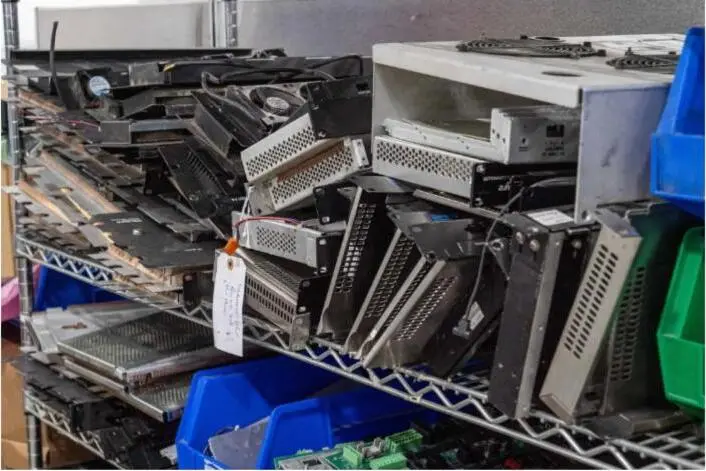
Standard intake across all return sites keeps data, compliance and operations aligned. Every device entering the reverse logistics stream must be scanned, logged and triaged before any disposition action.
Coordination points for this step span IT for HRIS integration and employee offboarding triggers, operations for physical receiving and scanning and compliance for certificate generation and storage.
Step 4: Design the Reverse Logistics Network
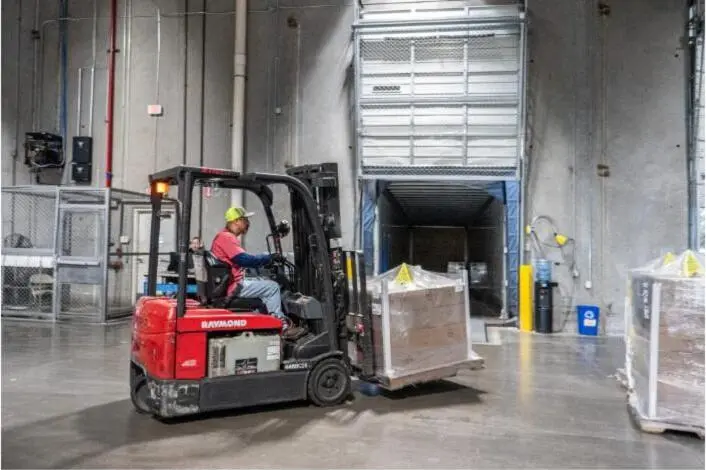
A clear network design keeps returns moving and protects asset value. Define collection points, transportation lanes and depot locations, then evaluate whether in-house capacity, a third-party partner or a hybrid model fits program volume and geographic spread.
Talk to a lifecycle expert about network design options for high-volume or multi-site programs.
Key network design decisions include:
- Centralized vs. regional depot structure based on return volume and turnaround requirements, which sets the number of receiving points and shapes later choices
- Carrier selection and LTL vs. full truckload routing based on shipment density between those receiving points
- White-glove vs. self-ship return options for end users, which affects inbound volume predictability and carrier contract terms
- Cross-border considerations for programs with international return flows, since customs and regulatory rules may require dedicated processing lanes
Step 5: Apply Grading, Refurbishment and Remarketing Standards
Consistent grading protects margins and reduces disputes with secondary market buyers. Define grading tiers, typically Grade A (like new), Grade B (minor cosmetic wear) and Grade C (functional with visible damage), and apply them across all processing sites. Inconsistent grading often drives secondary market disputes and margin erosion.
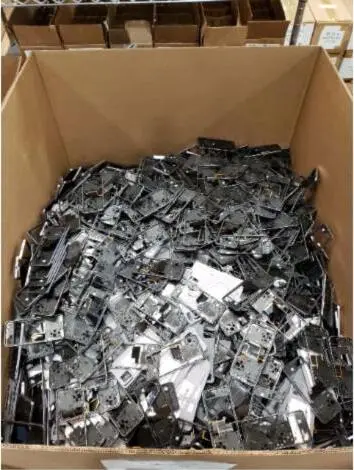
Bulk liquidation of returns typically recovers 15–30% of MSRP, while structured recommerce programs recover higher value.
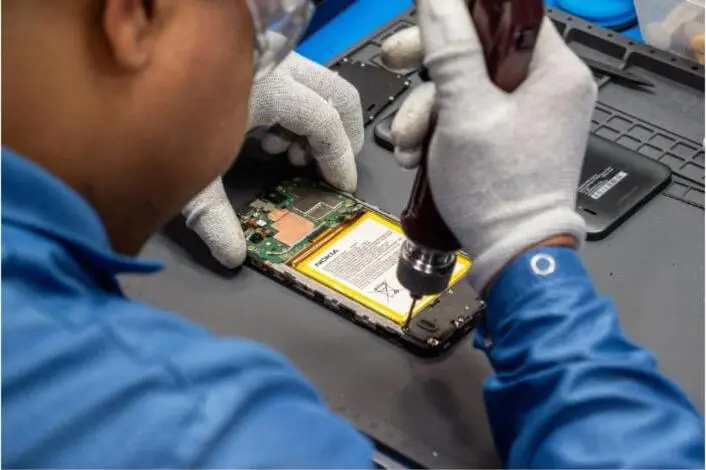
Refurbishment scope should align with OEM authorization status. Programs with ASC authorization can perform deeper repair without voiding warranty coverage, which expands the pool of devices that qualify for certified pre-owned channels.
Step 6: Embed Compliance Reporting and Chain-of-Custody Records
Compliance reporting works best when it sits inside daily operations. Map every device’s journey from intake to final disposition in a system of record, then generate state-specific recycling certificates, Certificates of Data Destruction and EPR documentation as standard outputs.
Governance KPIs at this stage include percent of assets with full serial number traceability, percent with NIST 800-88 data sanitization certificates and percent of ITAD vendors that hold current ISO 14001, R2 or e-Stewards certifications.
Step 7: Track Results, Report Progress and Refine the Program
Regular performance reviews keep the program aligned with business goals. Establish a cadence for reviewing performance against defined KPIs, and use leading indicators to catch problems before they affect SLAs or compliance posture. Use lagging indicators to assess overall program health.
Connect program data to ESG reporting requirements so circular performance appears in enterprise disclosures. The EU Corporate Sustainability Reporting Directive requires companies with significant EU operations to report resource use and circular economy indicators using European Sustainability Reporting Standards ESRS E5. U.S. programs that support global supply chains should align reporting to these frameworks in advance.
The seven-step process requires coordination across multiple functions, so clear frameworks help keep decisions moving.
Frameworks and Practical Program Scenarios
A RACI matrix clarifies ownership across the four functions most involved in circular electronics programs: operations, IT, procurement and finance. With explicit ownership, disposition decisions move faster, assets spend less time in staging and recovery value improves.
Consider a hypothetical large enterprise that manages 10,000 device returns each year across five states. Without a defined RACI, the intake team logs devices but waits for IT to authorize data destruction. IT waits for finance to approve the ITAD vendor invoice. Finance waits for procurement to confirm the contract. Each handoff adds days, devices depreciate and secondary market windows close.
A service-tiered model resolves this by preauthorizing disposition paths at the program level rather than the device level. Devices that meet Grade A criteria proceed directly to refurbishment. Devices below the repair threshold proceed directly to certified recycling. Only edge cases require manual review.
Deutsche Telekom built a structured buyback and refurbishment operation for consumer electronics that turned returns and trade-ins into a certified pre-owned product line, reduced disposal costs and generated second-life revenue. The same operational principle of predefined grading, preauthorized disposition and consistent measurement applies to enterprise IT programs.
Talk to a lifecycle expert to map a service-tiered disposition model to the program’s device mix and volume.
Common Operational Challenges and Practical Fixes
Several operational patterns appear across enterprise reverse logistics programs, and many connect to data quality and ownership.
- Inaccurate asset data: Devices in the field do not match records in the asset register, often due to inconsistent tagging at deployment. Mitigation: enforce serialization and asset tagging at the kitting and configuration stage before devices ship forward.
- Unclear ownership: No single function owns the reverse logistics process end to end, which often stems from the same data gaps that obscure accountability. Mitigation: assign a program owner with cross-functional authority and document the RACI before launch.
- Inconsistent processes across sites: Regional teams apply different grading standards or use different carriers, which compounds data and ownership issues. Mitigation: publish a standard operating procedure and conduct periodic site audits.
- Missed SLAs: Turnaround time targets are not met, which affects downstream refurbishment windows or replacement cycles. Root cause often involves intake bottlenecks or disposition decision delays. Mitigation: track intake-to-disposition cycle time as a leading indicator and set escalation thresholds.
- Non-compliant disposition: Devices move through uncertified vendors, which creates EPR audit exposure. Mitigation: maintain an approved vendor list with current certifications and require Certificates of Destruction for every serialized device.
- Lost or delayed returns: As noted in Step 3, companies without a formal remote device retrieval program fail to recover a significant portion of remote employee devices, which leaves assets and data exposed. Mitigation: integrate retrieval triggers with HRIS systems so offboarding automatically initiates the return workflow.
Measuring Success with Leading and Lagging Indicators
Effective circular electronics programs distinguish between indicators that predict future performance and those that confirm past results. Leading indicators highlight intake bottlenecks, decision delays and vendor capacity issues, while lagging indicators show recovery rates, compliance performance and financial outcomes.
Track these metrics in a standard dashboard that the program owner reviews monthly and operations and finance leadership review quarterly. No proprietary platform is required. A structured spreadsheet with defined data inputs and a consistent review cadence delivers meaningful insight at program launch.
Advanced Practices for Mature Circular Programs
Organizations that stabilize the seven-step foundation can expand into higher-maturity capabilities that automate work and deepen insight.
- Automated retrieval triggers: Integrating an ITAD platform via API with HRIS systems such as Workday, SAP SuccessFactors or BambooHR automatically triggers serialized return kit dispatch upon employee termination, which ensures departing employees enter the retrieval workflow without manual intervention.
- Dynamic disposition routing: Real-time market pricing data for secondary channels can inform automated routing decisions, which directs devices to the highest-value disposition path at triage instead of using static rules.
- Advanced analytics: Return rate analysis by device model, age cohort and failure mode supports procurement decisions and OEM warranty negotiations.
- Digital Product Passports: The EU Digital Product Passport mandate, expected between 2027 and 2030, will require every electronic device sold or refurbished for the European market to include a traceable history that documents its data sanitization status. Programs that build serialized chain-of-custody records now will stand ready to meet this requirement without a system rebuild.
- Circularity scoring: The Material Circularity Indicator, developed by the Ellen MacArthur Foundation and Granta Design, quantifies how restorative a product’s material flows are on a scale from 0 to 1 by considering both the fraction of recycled or reused input and the fraction of output that avoids landfill. Applying MCI scoring at the program level enables benchmarking against sector peers and ESG reporting frameworks.
Pilot advanced capabilities on a defined device category or site before scaling. Readiness criteria include stable baseline KPIs, consistent data capture at intake and a program owner with authority to act on analytical outputs.
Frequently Asked Questions
How long does it take to stand up a circular electronics recycling program?
Timeline depends on program scope, existing infrastructure and internal alignment. A focused program that covers a single device category and one or two sites can reach operational status within a few months. Enterprise-wide programs that span multiple device types, geographies and compliance jurisdictions typically require a phased rollout over several quarters. The seven-step checklist in this article is designed for phased implementation, with each step building on the last rather than requiring simultaneous execution.
Which U.S. regulations most directly affect enterprise electronics recycling programs in 2026?
The 25 states with active e-waste laws mentioned earlier include some of the most active enforcement jurisdictions, with substantial penalties for noncompliance. Each state imposes specific requirements on covered electronic devices. At the federal level, data security expectations under NIST 800-88 and frameworks such as CMMC apply to programs that handle government or sensitive enterprise data. Programs with international device flows must also account for state EPR rules in Canada and, for EU-bound devices, the EU Cyber Resilience Act and forthcoming Digital Product Passport requirements.
What skills and roles does an enterprise circular electronics program require?
Core roles include a program owner with cross-functional authority, an operations lead for intake and logistics, an IT lead for asset data and HRIS integration, a compliance lead for EPR obligations and data destruction certificates and a finance lead for asset recovery value and program ROI. Depending on program scale, these may be dedicated roles or responsibilities distributed across existing staff. External partners such as certified ITAD providers, depot repair facilities and secondary market resellers extend internal capacity without full-time headcount for every function.
How does a circular electronics program generate measurable financial return?
Financial return comes from three sources. First, recovered asset value through refurbishment and secondary market resale. Second, avoided disposal costs when devices move from landfill to productive reuse. Third, reduced compliance risk that would otherwise result in fines or audit remediation costs. Programs that track recovery rate, refurbishment cost per unit and second-life revenue margins from the start stand in a stronger position to demonstrate ROI to finance leadership. The disposition mix, the ratio of reuse to recycle to disposal, often exerts the greatest influence on program economics.
When should an organization revisit its reverse logistics partner mix?
Common triggers for reassessment include significant changes in return volume, expansion into new states or device categories, new compliance requirements such as state EPR law changes and persistent SLA misses that signal capacity or capability gaps. Organizations should also reassess when the disposition mix shifts, such as when refurbishment volume grows to a scale that supports ASC-authorized repair rather than general depot processing. A structured annual review of partner certifications, performance metrics and program scope provides a practical baseline cadence.
Conclusion: Turning Reverse Logistics into a Circular Advantage
Fragmented reverse logistics often stands between enterprise electronics programs and the cost control, asset recovery and compliance benefits of a circular economy approach. The seven-step implementation process in this playbook, audit, define disposition pathways, establish intake protocols, build the logistics network, implement grading and refurbishment, integrate compliance reporting and measure continuously, provides the operational structure to close that gap.
Global e-waste generation is projected to reach 82 billion kg by 2030 under a business-as-usual scenario. Organizations that build structured programs now capture asset recovery value, satisfy EPR and data security mandates and position themselves ahead of tightening state and federal requirements.
Premier Logitech provides end-to-end IT lifecycle and reverse logistics services, from depot repair and ITAD to certified recycling and compliance reporting, for OEMs, enterprises and government agencies that manage high-volume electronics programs across the United States.
Talk to a lifecycle expert to build a scalable circular electronics program grounded in operational reality.
