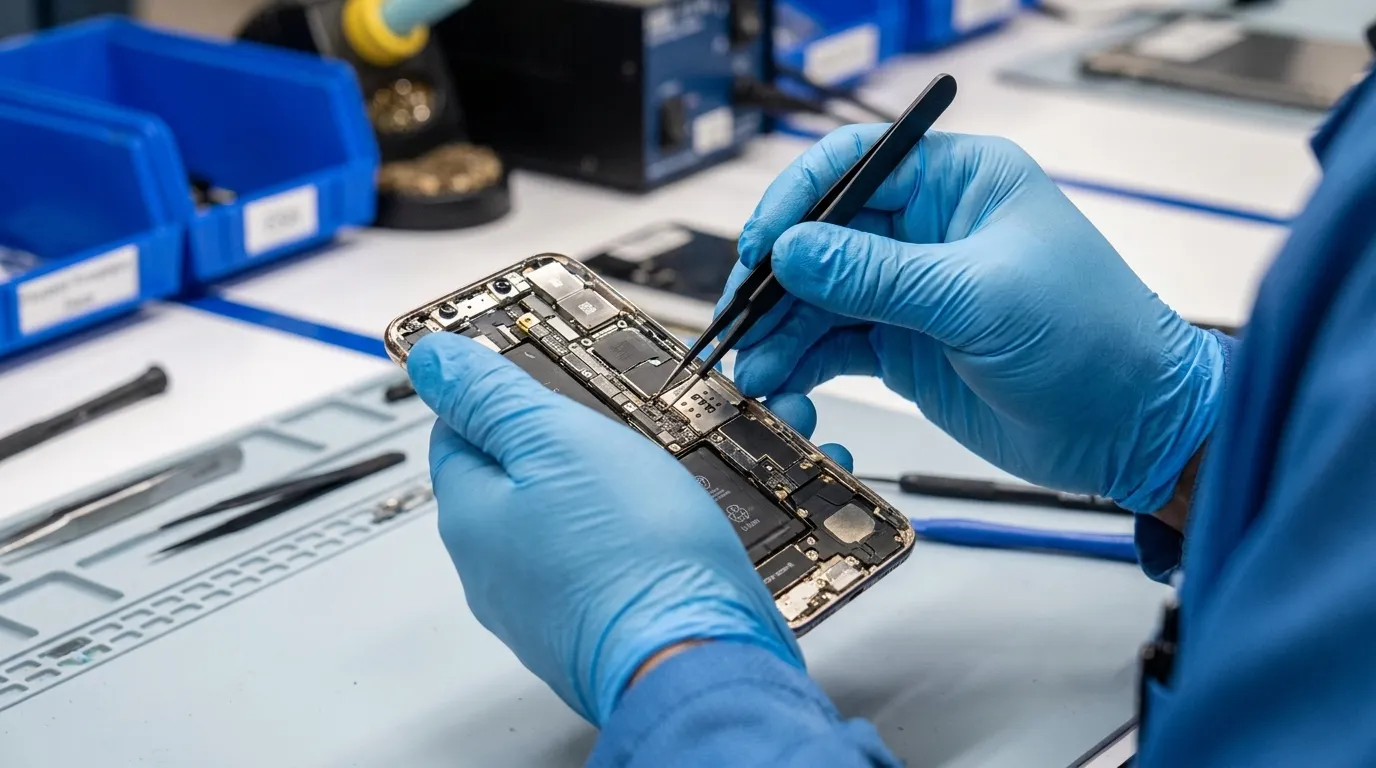
Key Takeaways for CMMC-Regulated Mobile Repair
-
CMMC Level 2 requires sanitization of all mobile devices containing CUI before those devices leave organizational control for repair.
-
Standard consumer repair shops lack NIST SP 800-88 sanitization, chain-of-custody records and vetted personnel, so they cannot support CMMC assessments.
-
Compliant mobile repair rests on three pillars: NIST SP 800-88 sanitization, serial-level chain-of-custody records and vetted personnel with secure facility access.
-
Organizations benefit from a 7-step vetting checklist that covers certifications, sanitization, chain of custody, security, OEM status, references and logistics.
-
Premier Logitech delivers CMMC-aligned mobile repair through certifications, CAGE code 4WAJ9, OEM authorizations and secure logistics, supporting assessable workflows.
Why Standard Phone Repair Shops Fall Short of CMMC Requirements
CMMC Level 2 requires organizations to implement all 110 security practices from NIST SP 800-171 Revision 2 across 14 control families. When a mobile device that stores or processes CUI needs repair, three control families apply directly.
The Maintenance (MA) family is the most direct. Control MA.L2-3.7.3 requires sanitization of equipment removed for off-site maintenance before it leaves organizational control. Sending a device to a repair shop with data intact creates a clear violation. As CyberAB Registered Practitioner Advanced David W. Koran writes, a device that leaves with CUI carries that data into the vendor environment.
The Media Protection (MP) family adds a second layer. Control MP.L2-3.8.3 requires sanitization or destruction of system media containing CUI before disposal or release for reuse. Internal flash memory, SD cards and SIM storage in mobile devices fall within this scope.
The Access Control (AC) family governs who handles the hardware. CMMC Level 1 physical protection practices include limiting physical access to systems that store or process FCI, escorting visitors when necessary, maintaining physical access logs and controlling keys and badges. A repair facility must show that these controls apply to every technician who touches a device.
A consumer repair shop in a mall kiosk or local storefront cannot demonstrate these controls. These shops lack documented NIST SP 800-88 sanitization procedures, do not maintain chain-of-custody tracking and do not apply background checks or restricted access to repair areas.
The Three Pillars of CMMC-Compliant Mobile Repair
Data Sanitization with NIST SP 800-88 Standards
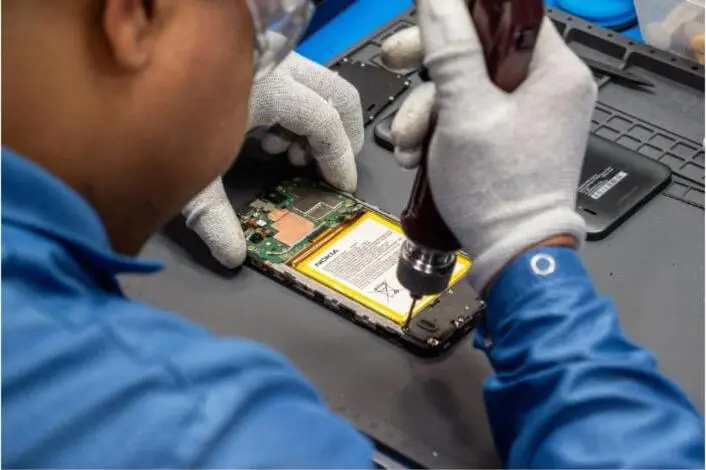
Devices must be sanitized of CUI before leaving organizational control for repair. NIST SP 800-88 defines three tiers of sanitization: Clear, Purge and Destroy.
-
Clear: Overwrites storage with nonsensitive data. This tier protects against basic recovery tools but does not suffice for media that leaves custody.
-
Purge: Uses cryptographic erase or ATA Secure Erase so data recovery remains infeasible even with laboratory tools. This tier serves as the minimum standard for devices shipped to a repair depot.
-
Destroy: Uses physical destruction such as shredding, disintegration or degaussing. This tier applies to drives that cannot be reliably sanitized.
NIST SP 800-88 Rev. 2 requires documentation of sanitization to include the device manufacturer, model, serial number and media type. It also requires the sanitization method, technique, tool used, verification method, validator identity, date and signature. Certificates that omit specific serial numbers will not satisfy a CMMC assessor.
Chain of Custody with Serial-Level Evidence
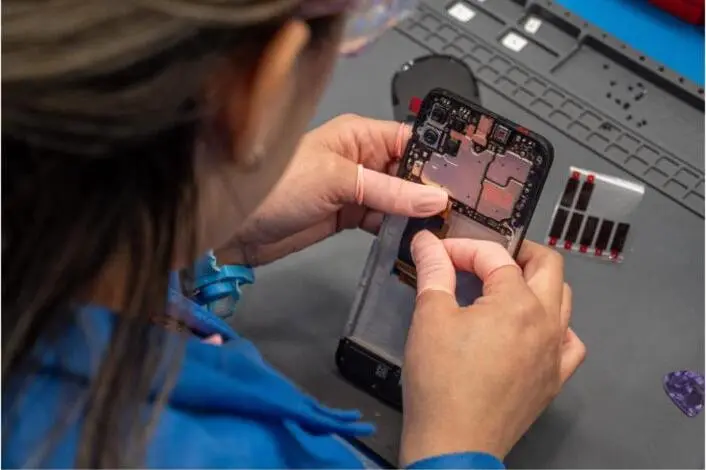
CMMC assessments require serial-number-level chain-of-custody evidence for each sanitized device. Records must show the device serial number, date and method of sanitization, the individual who performed it and validation evidence. A compliant repair depot maintains documented custody throughout the process.
-
Tamper-evident packaging and secure transport for every shipment
-
Logging at each stage: receipt, triage, repair, sanitization and return
-
Formal certificates of sanitization or destruction tied to specific device serial numbers
-
Integration with the organization’s internal asset inventory for reconciliation
A repair log for CMMC compliance should include the repair ticket number, asset tag, device serial number, user, reason for repair, sanitization method, wipe timestamps, verifying technician, vendor name, shipment tracking and return verification details. These records allow assessors to trace each device from initial issue through final return.
Access Control with Vetted Personnel and Secure Facilities
CMMC Level 2 requires that only authorized, vetted personnel handle devices that contain or previously contained CUI. A repair partner must show that access controls extend across technicians, logistics staff and visitors.
-
Background checks for technicians and logistics staff
-
Physical access controls such as badge access, CCTV and restricted zones
-
Logical access controls that enforce least-privilege access to device data and repair records
-
Visitor escort procedures and audit logs of physical access
If an assessor traces CUI from receipt through processing to storage and finds it passing through a vendor system that has not been validated against NIST SP 800-171 controls, the assessor records a finding against the organization. The organization owns the compliance gap even when a vendor operates the system.
How to Vet a CMMC-Compliant Mobile Repair Depot: A 7-Step Checklist
The three pillars of sanitization, chain of custody and access control translate into specific vetting actions. This 7-step checklist turns those requirements into practical screening criteria.
-
Verify certifications. Confirm CMMC certification or readiness plus NIST, TAA and SOC 2 compliance. For government work, verify the vendor’s CAGE code. Premier Logitech’s CAGE code is 4WAJ9, which identifies it as a federal supplier.
-
Request sanitization procedures. Ask for the documented NIST SP 800-88 process. Confirm use of cryptographic erase or secure wipe and confirm that certificates of sanitization include device serial numbers.
-
Review chain-of-custody documentation. Request a sample record. It should track the device from receipt through repair and return with timestamps and responsible parties at each stage.
-
Assess physical and logical security. Ask about badge access, CCTV coverage, technician background checks and least-privilege access controls for systems that store repair data.
-
Confirm OEM authorizations. Authorized Service Center status, which Premier Logitech holds for multiple OEM brands, shows that the depot has manufacturer training, tools and parts that protect warranties.
-
Request references. Ask for case studies or references from DoD contractors or government agencies with similar CUI and logistics requirements.
-
Evaluate logistics security. Confirm use of tracked, insured carriers and a secure receiving process that includes tamper-evident packaging protocols.
Certifications provide a starting point, but evidence completes the picture. Request audit reports, sample certificates and facility documentation, then verify what can be confirmed independently.
Schedule a review with a Premier Logitech specialist to compare an existing mobile repair program against this checklist.
BYOD and Corporate-Owned Devices in CMMC Repair Programs
DoD contractors often ask whether CMMC allows BYOD. The framework permits BYOD when policies and technical controls meet NIST expectations. NIST SP 800-171 Rev. 2 control AC.L2-3.1.18 requires control and limitation of mobile device connections to organizational systems. That requirement maps to a clear BYOD policy with supporting technical enforcement, which directly affects repair workflows.
For corporate-owned devices, the organization maintains full control. It can enforce sanitization before shipment, maintain chain-of-custody records and require re-enrollment and inspection when the device returns from repair.
For BYOD devices, repair introduces additional complexity. When a personal phone contains CUI through a managed container or MDM profile, any repair process must protect that data. Common approaches include remote wipe of the managed container before repair, containerization that separates CUI from personal data and COPE models that assign corporate-owned devices for CUI access.
LakeRidge notes that weak AC.L2-3.1.18 controls increase risks of CUI exfiltration, malware introduction and lateral movement into corporate networks. A CMMC-aligned repair partner can outline what sanitization evidence to collect before any BYOD device leaves organizational control.
Secure Logistics for Devices in Transit
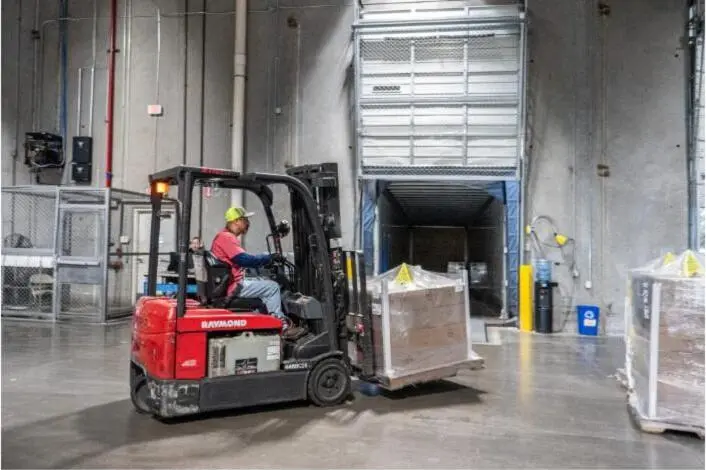
Shipping a mobile device to a repair depot creates a vulnerable point in the compliance chain. The device leaves direct control and enters a transportation network where interception, tampering or loss can occur.
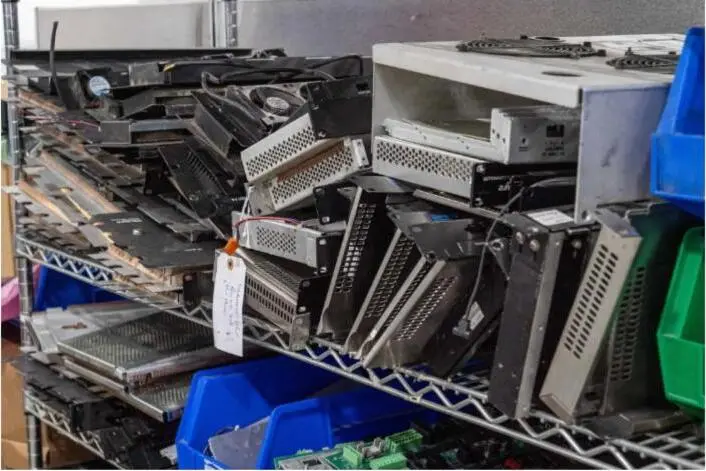
Because a device in transit sits outside organizational control, the repair partner must maintain documented custody throughout shipping. That requirement shapes several logistics practices.
-
Secure packaging: Tamper-evident seals and packaging that reveal any unauthorized access
-
Tracked, insured carriers: Shipments that support real-time monitoring and loss coverage
-
Transportation Management System (TMS): Centralized visibility into each shipment’s status and location
-
Secure receiving: A documented intake process that logs device condition and serial numbers upon arrival
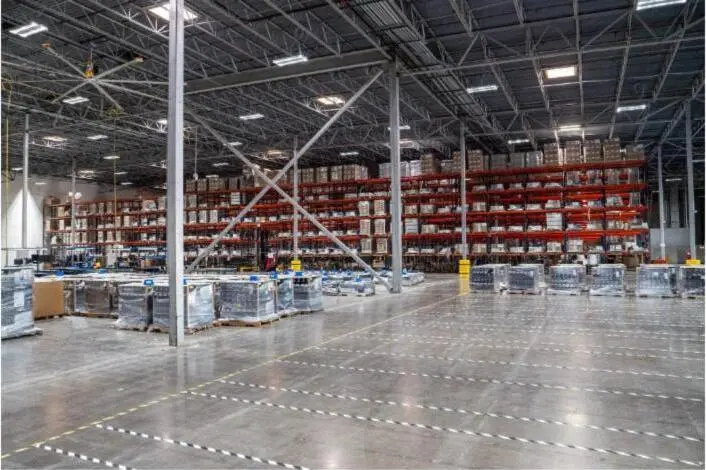
Premier Logitech’s logistics network provides infrastructure for secure, efficient device transport. Vetted North American carriers and real-time tracking support documented custody from pickup through return.
Common Pitfalls in CMMC Mobile Repair Programs
Even mature programs encounter missteps that weaken CMMC alignment. Several patterns appear frequently during assessments.
-
Using unauthorized repair shops. Local shops offer convenience but lack CMMC controls. A pre-vetted list of approved repair partners ensures that devices route only to depots with documented sanitization, access control and logistics security.
-
Failing to document chain of custody. If an organization cannot prove who handled a device and when, an assessor records a finding. Serial-number-level documentation at every stage closes this gap.
-
Inadequate data sanitization. Common failures include deleted or quick-formatted drives where data remains recoverable. NIST SP 800-88 compliant methods and certificates of sanitization address this risk.
-
Skipping background checks. Repair technicians who access CUI-bearing devices must be vetted. Reviewing personnel security policies before awarding work prevents exposure.
-
Poor logistics security. Unsecured shipping exposes devices to interception. Tamper-evident packaging and tracked, insured carriers should support every shipment.
How Premier Logitech Aligns with CMMC Mobile Repair Requirements
The three pillars of compliant repair map directly to Premier Logitech operations. Certifications and NIST-aligned processes support data sanitization. Secure logistics and real-time tracking support serial-level chain of custody. Vetted personnel, OEM authorizations and controlled facilities support access control expectations.
-
Certifications: CMMC, NIST, TAA and SOC 2 compliance, plus ISO quality frameworks and TAPA certification
-
CAGE Code 4WAJ9: Recognized federal supplier status for U.S. government work
-
OEM authorizations: Multiple Authorized Service Centers that preserve warranties and repair quality
-
Repair capacity: High-volume repairs across three DFW facilities and nearshore Mexico operations
-
End-to-end services: Depot repair (L1–L4), data sanitization, secure logistics and asset recovery under one program
-
Operational visibility: Real-time tracking and lifecycle analytics through a Transportation Management System
Partnering with Premier Logitech means working with a compliance-focused team that understands both cybersecurity requirements and physical device repair.
Discuss CMMC mobile repair workflows with a Premier Logitech specialist and align device maintenance with assessment expectations.
Frequently Asked Questions
Can a standard phone repair shop be used for CMMC-regulated devices?
Standard repair shops lack the security controls, background-checked staff and chain-of-custody documentation that CMMC assessments require. Under CMMC Level 2 control MA.L2-3.7.3, equipment removed for off-site maintenance must be sanitized of CUI before it leaves organizational control. A consumer repair shop cannot demonstrate compliant handling, documented sanitization procedures or vetted personnel, which an assessor will review.
What is NIST SP 800-88 and why does it matter for mobile repair?
NIST SP 800-88 is the National Institute of Standards and Technology guideline for media sanitization. As covered earlier, it defines Clear, Purge and Destroy tiers with specific documentation expectations. For CMMC compliance, mobile devices must be sanitized using NIST-approved methods before they leave organizational control for repair. The repair depot must provide certificates that tie the sanitization method, tool, verification method and validator identity to a specific device serial number.
Does CMMC allow BYOD?
CMMC allows BYOD when policies and technical controls meet NIST SP 800-171 expectations. Under control AC.L2-3.1.18, organizations must control and limit mobile device connections to organizational systems. For repair, BYOD devices that contain CUI require remote wipe of managed containers, documented sanitization steps and clear policies that define employee responsibilities before a personal device goes to a repair facility. Organizations that cannot enforce these steps often adopt COPE models that assign corporate-owned devices for CUI access.
What certifications should a CMMC-compliant repair depot hold?
Relevant certifications include CMMC certification or readiness plus NIST, TAA and SOC 2 compliance. For government work, a CAGE code confirms status as a recognized government supplier. OEM Authorized Service Center status also matters because it shows manufacturer-approved training, tools and parts that protect warranty coverage and repair quality. Written documentation for each certification provides stronger evidence than verbal assurances.
How can an organization confirm that data has been properly sanitized?
A certificate of sanitization should include the device manufacturer, model, serial number, sanitization method, tool used, verification method, validator identity and date. The certificate must tie to a specific device serial number rather than a batch reference. Internal repair logs should record the same information so the depot’s certificate can be cross-referenced against asset records during a CMMC assessment. When a device cannot be reliably sanitized due to hardware failure, a certificate of destruction with the same level of detail should document the outcome.
