Last updated: July 28, 2026
Key Takeaways
- Enterprise electronic equipment repair services with warranty coverage require evaluating eight dimensions: service scope, technical capabilities, quality and compliance, scalability, visibility and data, network coverage, total cost and warranty structure.
- Single-source partners reduce fragmented vendor networks and accountability gaps by managing the full lifecycle from RMA intake through depot repair, rapid exchange and certified recycling.
- Technical capabilities should include L1-L4 depot repair with first-time fix rates above 95%, backed by OEM authorization for genuine parts access and warranty claim systems.
- Essential compliance certifications for 2026 include TAA, NIST SP 800-171, CMMC, SOC 2, ISO 9001/14001 and TAPA, with Premier Logitech holding these certifications and CAGE Code 4WAJ9 for federal procurement.
- Premier Logitech delivers comprehensive enterprise repair solutions as an OEM-authorized partner; request a repair program assessment to evaluate the current environment.
Service Scope Across the Device Lifecycle
Service scope determines whether a repair partner can support the entire device lifecycle or whether multiple vendors remain necessary. A qualified repair partner covers the full lifecycle from inbound RMA intake and triage through depot repair, refurbishment, grading, rapid exchange and responsible recycling. Fragmented vendor networks force operations teams to manage separate contracts for repair, fulfillment and disposition, which creates handoff gaps and accountability blind spots.
In 2026, device complexity and sustained growth in the U.S. reverse logistics market make single-source coverage a structural advantage rather than a preference. That advantage appears when a partner can deliver true end-to-end coverage without performance tradeoffs. Premier Logitech supports every stage, including sourcing, configuration, warehousing, depot repair, rapid exchange, asset recovery and certified recycling, all under one contract and one point of accountability.
Technical Capabilities for Reliable Repair Outcomes
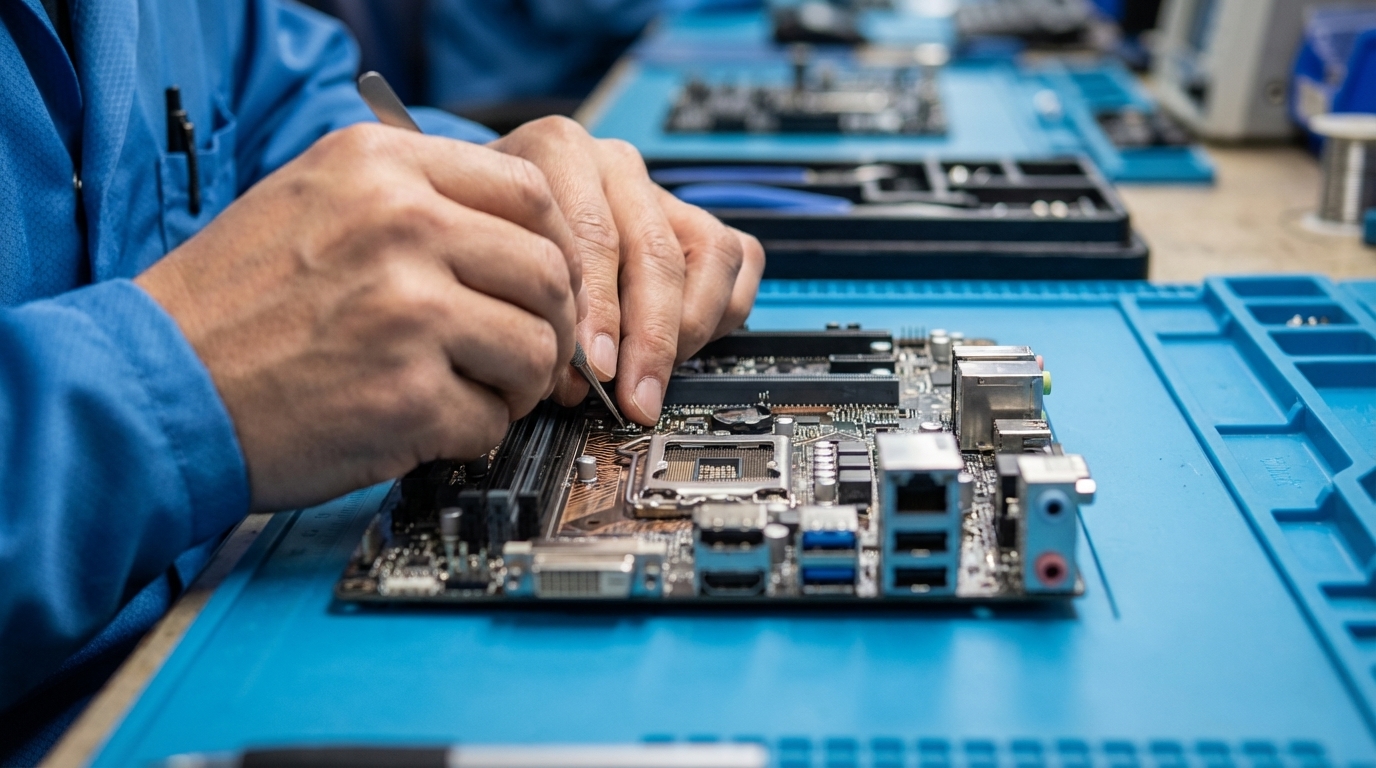
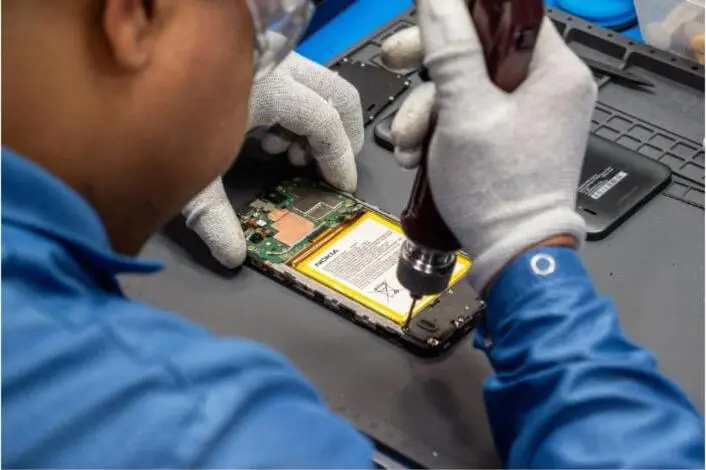
Service scope establishes what a partner can handle, while technical capabilities determine how well the work is performed. Buyers should confirm that a repair partner performs L1 through L4 depot repair, including component-level diagnostics, PCBA rework, BGA reballing, functional testing and burn-in. Surface-level repair shops that stop at L2 return devices with unresolved root causes, which drives repeat failures and inflated return volumes.
Best-in-class depot operations achieve first-time fix rates above 95%, meaning repaired units do not return within 30 days. Rates below 90% signal process or training deficiencies that affect uptime and customer satisfaction. Premier Logitech performs L1-L4 repair across IT hardware, telecom equipment and consumer electronics, with capacity to process high volumes across DFW facilities and nearshore operations in Laredo and Nuevo Laredo.
OEM integration strengthens these technical capabilities. ASC authorization from multiple OEM brands gives Premier Logitech access to genuine parts, OEM repair documentation and warranty claim systems. Non-authorized shops lack this access, which limits repair quality and warranty alignment.
Quality and Compliance for Regulated Buyers
Quality and compliance standards protect sensitive data, support audit readiness and enable participation in regulated markets. Government and regulated-enterprise buyers must verify certifications before awarding repair contracts. The relevant frameworks in 2026 include:
- TAA (Trade Agreements Act): Confirms trade-compliant sourcing and handling for federal procurement.
- NIST SP 800-171: Defines 110 security requirements across 14 control families for protecting Controlled Unclassified Information on nonfederal systems and is required for DoD contractors under DFARS 252.204-7012.
- CMMC: The DoD cybersecurity certification program that requires defense contractors to implement prescribed standards for safeguarding Federal Contract Information and CUI, with requirements flowing down to applicable subcontractors.
- SOC 2: An AICPA auditing standard that evaluates security, availability, processing integrity, confidentiality and privacy and often serves as initial proof of independent security scrutiny.
- ISO 9001/14001: Quality management and environmental management standards that demonstrate process discipline and sustainability commitment.
- TAPA: Supply chain security standard relevant to high-value electronics in transit.
Premier Logitech holds TAA, TAPA, ISO, NIST, CMMC and SOC 2 certifications and carries CAGE Code 4WAJ9, which identifies the company as a pre-vetted partner for U.S. federal government procurement.
Scalability and Flexibility for Growing Programs
Scalability and flexibility determine whether a repair program can keep pace with growth and seasonal shifts. High return volumes, seasonal spikes and program expansions require a repair partner with proven throughput capacity and modular engagement options. Many technology leaders plan vendor consolidation, which can reduce costs and maintenance overhead when the consolidating partner can absorb volume without degrading SLA performance.
Premier Logitech operates as both a full lifecycle partner and a modular services provider. Clients can engage for end-to-end program management or select individual services, such as depot repair, rapid exchange, configuration or transportation, on a standalone basis. Nearshore operations in Mexico provide labor flexibility and cost efficiency while maintaining proximity to U.S. distribution networks.
Visibility and Data Across the Repair Lifecycle
Visibility and data capabilities turn repair operations into a measurable, controllable process. Repair programs without real-time tracking create inventory blind spots that inflate carrying costs and delay redeployment. Buyers should require a Transportation Management System, device-level traceability, inventory reporting and lifecycle analytics as baseline capabilities, not premium add-ons.
Multi-vendor environments generate significant wasted spend from uncoordinated purchasing and poor visibility. Premier Logitech provides real-time tracking, asset tagging, inventory reporting and lifecycle analytics across all program stages. These tools give operations and supply chain leaders the data needed to improve redeployment decisions and present clear performance results to procurement teams.
Network and Logistics Coverage for SLA Performance
Network and logistics coverage determine whether a partner can meet turnaround commitments across regions. Geographic reach and carrier depth influence transit times, shipping costs and service reliability. Advanced exchange programs ship replacements quickly after authorization, with delivery in a few business days depending on location and service level, which requires a dense carrier network and strategically located facilities.
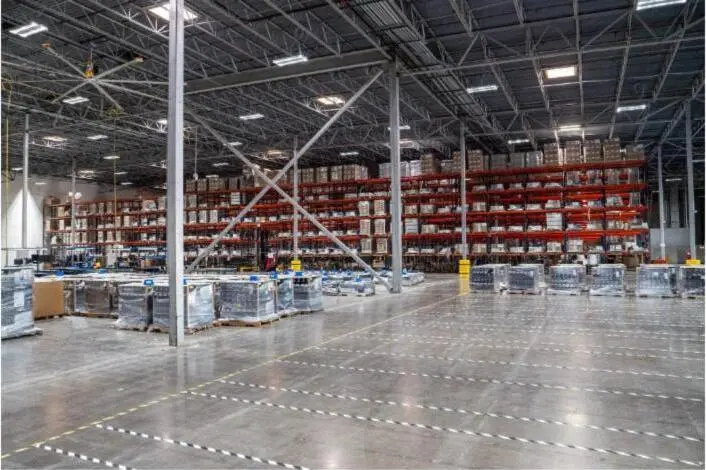
Premier Logitech operates three DFW facilities with access to one of the world’s busiest air cargo hubs, supported by a network of vetted North American LTL carriers. Nearshore operations in Laredo and Nuevo Laredo extend capacity and reduce unit costs for high-volume programs. International shipping via air and ocean supports OEM clients with global return flows.
Total Cost and Value Realization
Total cost and value reflect more than price-per-repair. Total cost of ownership includes asset recovery value, sustainability compliance costs, redeployment speed and the administrative burden of managing multiple vendors. Organizations consolidating multi-vendor support under a single partner report reductions in annual maintenance spend while improving infrastructure reliability.
The U.S. asset recovery and secondary market logistics platforms market is expanding at a double-digit CAGR through 2036, which reflects growing enterprise recognition that returned devices carry recoverable value. Premier Logitech’s certified refurbishment, grading and remarketing programs capture that value instead of writing it off. Responsible recycling and e-waste reduction programs support sustainability mandates and reduce disposal liability.
Warranty Considerations for Repaired Devices
Warranty structure affects risk, budget planning and device lifecycle strategy. Generic third-party warranties often exclude OEM parts, limit coverage to 90 days and contain carve-outs for software, accidental damage and components sourced outside the provider’s supply chain. Reputable vendors offer certified warranty programs for refurbished equipment that match protection standards for new devices, including parts replacement, labor and defined response commitments.
ASC authorization serves as the structural differentiator for warranty-backed repair. Non-authorized shops cannot access OEM parts pipelines, warranty claim systems or OEM repair documentation, so their warranty terms rely only on internal inventory and financial standing. Premier Logitech holds ASC status for multiple OEM brands, which enables depot-level warranty coverage aligned with OEM terms for both in-warranty and out-of-warranty devices. Coverage extends across L1-L4 repair, rapid exchange and refurbishment programs.
Review warranty coverage options with the Premier Logitech team to align device portfolios with appropriate protection.
Compliance Checklist for Vendor Selection
Compliance verification should follow a structured checklist before awarding a repair contract. Confirm that the following frameworks are documented and current:
- TAA: Required for federal procurement and confirms trade-compliant product sourcing and handling.
- NIST SP 800-171: Required for DoD contractors handling CUI and implements the security requirements detailed above with documented SSP and POA&M.
- CMMC: Level determined by contract type and information sensitivity; Level 2 maps directly to NIST SP 800-171 R2 and typically requires third-party C3PAO assessment.
- SOC 2: Independent audit of security, availability and confidentiality controls, with Type II reports preferred for ongoing assurance.
- ISO 9001: Quality management system certification that demonstrates process consistency and continuous improvement.
- ISO 14001: Environmental management certification relevant to e-waste and recycling compliance.
- CAGE Code: Federal pre-vetting identifier required for government contract eligibility.
Addressing Common Enterprise Pain Points
Enterprise repair program reviews often surface three recurring pain points that consolidation and strong governance can resolve.
Fragmented vendors. Multiple repair, fulfillment and recycling providers create contract complexity, inconsistent SLA enforcement and accountability gaps at handoffs. Fixing this requires more than selecting a new vendor and signing a master agreement. Successful consolidation requires a phased transition with governance, escalation paths and structured knowledge transfer. Premier Logitech addresses both the structural problem and the transition challenge by replacing fragmented networks with a single contract and a single point of accountability.
Lack of visibility. Limited device-level traceability and real-time inventory reporting prevent operations teams from tracking asset status, forecasting redeployment timelines or reporting program performance. Premier Logitech’s TMS and lifecycle analytics platform provides that visibility across all program stages.
Out-of-warranty gaps. Devices that age past OEM warranty terms often fall into a support void with no authorized repair option or parts access. Premier Logitech’s ASC status and certified refurbishment capabilities extend supportable life for out-of-warranty devices, preserve asset value and defer replacement capital expenditure.
Next Steps for Evaluating Repair Partners
Buyers evaluating enterprise electronic equipment repair services with warranty coverage should begin by mapping current repair flows and identifying vendor gaps against the eight-dimension framework above. Collecting SLA performance data from existing providers creates a baseline for comparison. That baseline informs a consolidation strategy and a vendor selection scorecard.
Premier Logitech’s lifecycle experts work with operations, supply chain and IT leadership to design programs that match volume, compliance and coverage requirements. Schedule a program assessment to define a consolidation roadmap and target outcomes.
Frequently Asked Questions
What stages of the technology lifecycle does Premier Logitech support?
Premier Logitech supports every stage from sourcing and procurement through configuration, fulfillment, warehousing, depot repair, rapid exchange, asset recovery, refurbishment and certified recycling. Clients can engage for full end-to-end lifecycle management or select individual services on a standalone basis, including transportation, kitting or depot repair alone.
What compliance certifications support government and regulated-enterprise clients?
Premier Logitech maintains the certifications detailed in the Quality and Compliance section, which cover secure data destruction, compliant asset handling and trade-compliant sourcing. This certification stack supports federal, defense and regulated commercial programs that require documented controls and audit-ready processes.
How does OEM authorization affect warranty coverage for repaired devices?
ASC authorization gives Premier Logitech access to genuine OEM parts, OEM repair documentation and OEM warranty claim systems. Non-authorized repair shops cannot access these resources, so their warranty terms rely only on internal inventory and financial capacity. Premier Logitech holds ASC status for multiple OEM brands, which enables warranty coverage aligned with OEM terms for both in-warranty and out-of-warranty devices across L1-L4 repair and rapid exchange programs.
What reverse logistics services support high-volume return programs?
Premier Logitech provides RMA intake and management, triage, depot repair at L1 through L4, sorting and grading, cosmetic refurbishment, in-warranty and out-of-warranty claim support, rapid exchange and next-day replacement programs, secure data destruction, parts reclamation and responsible recycling. Programs scale with return volume and can be structured for accelerated turnaround where operational requirements demand faster cycles.
Can Premier Logitech support both full lifecycle programs and individual service needs?
Premier Logitech operates as both a single-source lifecycle partner and a modular services provider. Organizations that need end-to-end program management across sourcing, repair, fulfillment and disposition can engage Premier Logitech for the full scope. Organizations that need a specific capability, such as depot repair, configuration or transportation, can engage on a standalone basis and expand the program over time as consolidation objectives evolve.
