Last updated: August 19, 2026
Key Takeaways for Enterprise ITAD Leaders
- Secure IT asset disposition for large US enterprises depends on end-to-end decommissioning, data sanitization, chain-of-custody transport and responsible recycling that align with federal and state mandates.
- Selecting an unqualified ITAD partner creates exposure to data breach liability, regulatory penalties and lost asset recovery value.
- Procurement leaders benefit from an eight-step evaluation process that covers scope definition, compliance mapping, certification requirements, chain-of-custody controls, logistics capacity, system integration, value recovery and weighted RFP scoring.
- Key 2026 requirements include ServiceNow and API integration, ESG reporting depth, multi-site logistics coordination and scalable capacity for large enterprise programs.
- Premier Logitech delivers government-grade certifications, end-to-end lifecycle capabilities and logistics infrastructure that support enterprise ITAD programs at scale. Connect with our team to map these capabilities to specific program requirements.
Enterprise ITAD Requirements in 2026
North America leads the global enterprise ITAD market because layered federal and state compliance mandates drive rigorous program design. Large enterprises face requirements that smaller programs do not, starting with the complexity of managing assets across many locations.
Multi-site logistics coordination functions as a baseline expectation for enterprise programs. Programs spanning corporate offices, data centers and remote workers require consistent asset capture, secure transport and unified reporting across every location.
Managing that complexity at scale requires automation and system connectivity. ServiceNow IT Asset Management automates hardware retirement and end-of-life processes, connecting to the CMDB and procurement systems for real-time visibility. ITAD partners must supply serialized status updates that reconcile directly against a customer ServiceNow instance.
ESG reporting depth now influences procurement decisions alongside security and cost. Buyers require zero-landfill verification, weight of materials recovered, carbon offset calculations and documentation suitable for corporate sustainability disclosures.
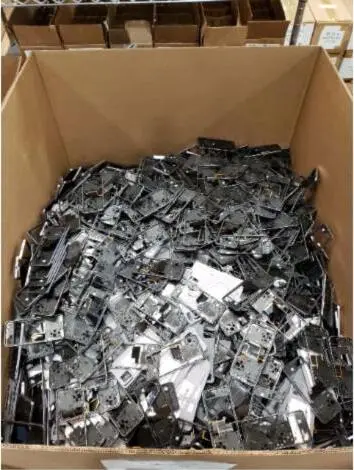
Scalable capacity becomes critical when a single facility refresh can produce thousands of assets. Vendors must demonstrate intake, sanitization and exception-handling infrastructure that matches program volume without degrading documentation quality. Meeting these operational requirements starts with the right certifications that prove a vendor can execute at enterprise scale while maintaining security and compliance standards.
Compliance and Certification Checklist for Enterprise ITAD
Every enterprise ITAD contract should require the following certifications. Gaps in any category create audit exposure. Foundational certifications apply to nearly all programs, while several specialized credentials address government and regulated-industry requirements.
- R2v3, responsible recycling and reuse, requires full chain-of-custody and certified downstream vendors.
- NAID AAA, secure data destruction, mandates unannounced audits, witnessed destruction and per-device Certificates of Destruction.
- NIST SP 800-88 Rev. 1, media sanitization guidance, defines Clear, Purge and Destroy methods with per-device verification.
- ISO 9001 for quality management systems.
- ISO 14001 for environmental management systems.
- ISO 45001 for occupational health and safety management.
- TAA (Trade Agreements Act) for federal contractor supply chains.
- CMMC, Cybersecurity Maturity Model Certification, for defense industrial base contractors.
- SOC 2 for security, availability and confidentiality controls for enterprise and regulated-industry clients.
Chain-of-Custody and Logistics Best Practices
ITAD-related data breaches often occur before the disposition vendor takes possession of equipment, so internal staging and handoff processes represent the primary risk area. Rigorous chain-of-custody controls close that gap and create a defensible audit trail.
Serialized tracking provides the starting point for that audit trail. Tracking must capture both the OEM serial number and the internal storage-drive serial number for every asset. Tracking by internal asset tag alone remains insufficient for forensic audits because drives are frequently swapped or removed.
That tracking record supports per-device Certificates of Destruction, which now represent the documentation standard. Batch certificates covering generic descriptions have no forensic value under ISO/IEC 27040:2024 and NIST 800-88. Each certificate must record make, model, OEM serial number, asset tag, storage-drive serial number, NIST sanitization category, exact method, tool version, pass or fail verification outcome, date, timestamp and operator signatures.
The chain of custody extends beyond documentation to physical transport. GPS-monitored transport and tamper-proof packaging now function as baseline logistics requirements for enterprise programs. Secure transport with GPS tracking and chain of custody, flexible scheduling and white-glove services for sensitive equipment are standard enterprise ITAD logistics expectations.
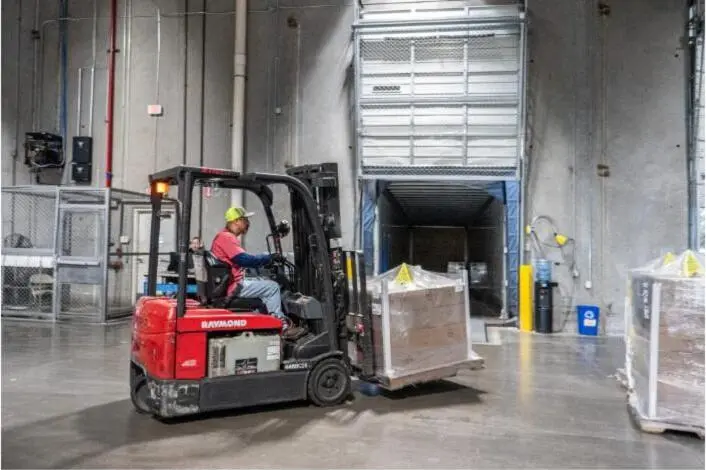
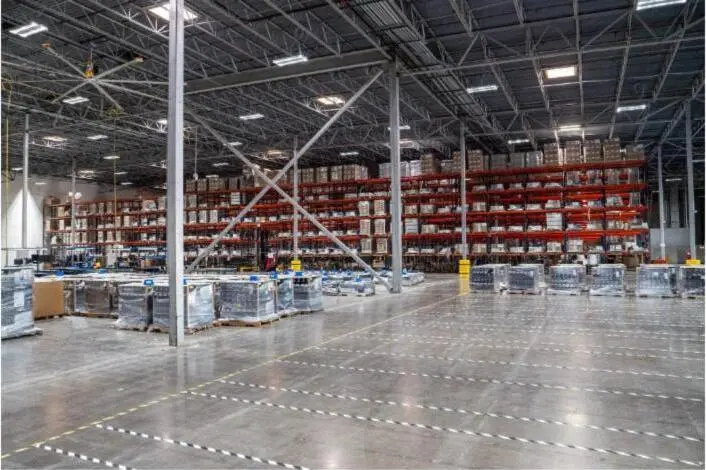
Premier Logitech operates three DFW facilities with access to more than 120 vetted North American LTL carriers, supporting multi-site pickup coordination, white-glove delivery and data-center decommissioning at enterprise scale. The DFW hub’s proximity to one of the world’s busiest air freight corridors supports time-sensitive program requirements. Once assets arrive securely and chain-of-custody is established, the next program dimension becomes value recovery, which focuses on extracting financial return from decommissioned inventory while maintaining the same documentation rigor applied to security.
Value Recovery Economics for Enterprise Programs
Effective value recovery programs combine remarketing, refurbishment and resale channels in a structured model. Certified refurbishment and grading for secondary market channels extend asset life and generate recovery value that offsets disposition costs. Itemized reporting at the asset level, not the batch level, gives procurement teams the data needed to validate recovery performance and support ESG disclosures.
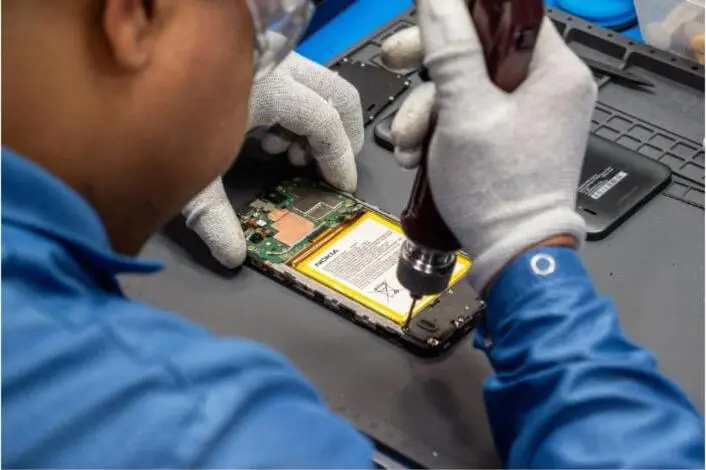
Premier Logitech asset recovery and remarketing programs focus on maximizing return on decommissioned inventory while maintaining full chain-of-custody documentation and ESG reporting suitable for corporate sustainability disclosures. Evaluating these capabilities, along with the compliance, logistics and integration requirements covered earlier, requires a structured RFP process that reduces vendor selection bias and supports operational fit.
Running a Defensible 2026 ITAD RFP
Single-source lifecycle management often serves as a meaningful differentiator in RFP evaluation. Vendors that cover sourcing, configuration, fulfillment, repair and ITAD under one program eliminate the handoff risks and documentation gaps that fragmented vendor relationships create. Premier Logitech operates as both a single-source lifecycle partner and a modular services provider, giving procurement teams flexibility to engage end-to-end or by service line.
Questions to Ask Potential ITAD Providers
The following questions surface operational and compliance gaps that proposal documents often obscure. Each question aligns with the seven evaluation pillars described in the RFP section, so responses reveal real capabilities instead of marketing claims.
- Which downstream vendors process materials after primary sanitization, and what certifications do those partners hold.
- How the provider integrates with ServiceNow or enterprise ERP systems, and which data fields pass at each lifecycle event.
- Whether the provider issues per-device Certificates of Destruction or batch certificates.
- What process governs assets that fail sanitization verification.
- How resale values are determined, and how often market prices are reviewed.
- What audit-ready documentation is available, and in which format and cadence it is delivered.
- How the provider manages multi-site collections across geographically dispersed locations.
- What TAA and CMMC compliance posture the provider maintains for government contractor programs.
Frequently Asked Questions
What certifications should an enterprise ITAD provider hold at minimum
The certification checklist earlier in this article covers the baseline requirements for enterprise ITAD programs. For organizations in regulated industries or government contractor environments, the critical additions are SOC 2, TAA compliance and CMMC certification, which address security controls and supply chain requirements that general ITAD certifications do not cover. Premier Logitech holds TAA, CMMC, SOC 2 and ISO framework certifications and carries CAGE Code 4WAJ9 as a pre-vetted federal government partner.
What does a compliant Certificate of Destruction include
A compliant Certificate of Destruction must document each device individually with the full chain-of-custody and sanitization details covered in the best practices section above. The key distinction involves per-device documentation versus batch certificates. Batch certificates that describe assets generically have no forensic value for audits under NIST 800-88 or ISO/IEC 27040:2024.
How does ServiceNow integration improve ITAD program management
ServiceNow integration allows enterprise IT teams to manage asset disposition within existing workflows rather than through a separate vendor portal. Integration supports pickup scheduling, real-time asset status tracking, automated attachment of Certificates of Destruction to CMDB records and audit-ready reporting without manual coordination. This structure reduces administrative effort, improves inventory accuracy and supports security and sustainability reporting from a single platform. Premier Logitech operational visibility capabilities are designed to connect with enterprise ITSM and ERP environments.
How is value recovery reported in an enterprise ITAD program
Mature ITAD providers deliver itemized asset-level recovery reporting that shows resale value per device, refurbishment and grading outcomes and environmental impact data including weight of materials recovered and recycled. Batch-level reporting remains insufficient for procurement validation or ESG disclosures. Buyers should require that resale value methodology, market price review frequency and rebate payment timing are documented in the contract before program launch.
What makes Premier Logitech a differentiated ITAD partner for large enterprises
Premier Logitech has delivered end-to-end technology lifecycle services since 2007, serving enterprises, OEMs, telecom providers and government agencies. The company holds TAA, CMMC, SOC 2 and ISO framework certifications alongside CAGE Code 4WAJ9 for federal programs. Three DFW facilities and a network of more than 120 vetted North American LTL carriers support multi-site enterprise programs. Premier Logitech operates as a single-source lifecycle partner covering sourcing, configuration, fulfillment, repair and ITAD, which reduces the fragmented vendor relationships that create compliance and documentation gaps at scale.
Procurement and operations leaders evaluating secure IT asset disposition services for large US enterprises benefit from a partner with government-grade certifications, end-to-end lifecycle capabilities and the logistics infrastructure to execute at scale. Start the conversation with the Premier Logitech team to design a program that addresses specific compliance, security and value recovery requirements.
