Key Takeaways
- SOC 2 is an AICPA audit framework that verifies a repair provider’s controls for protecting customer data and devices across the repair lifecycle.
- Enterprise buyers benefit from SOC 2 Type II reports that confirm independently tested controls for physical security, chain of custody and certified data erasure.
- Repair providers pursuing SOC 2 certification implement controls across Security, Confidentiality and Availability, with strong emphasis on access management and facility security.
- Common audit issues include gaps in data erasure documentation, weak access controls and incomplete chain of custody procedures, which certified tools and clear processes can address.
- Premier Logitech delivers enterprise-grade SOC 2 compliance with ASC status for 20+ OEMs, enabling organizations to partner with a trusted repair provider that meets rigorous security and operational requirements.
Why SOC 2 Matters for Mobile Device Repair
Mobile devices function as compact data stores. A single smartphone can hold corporate email, authentication tokens, customer records, financial applications and personal information protected by regulations like GDPR or CCPA. When these devices enter a repair depot, they bring that data into an environment with distinct risk exposures.
The risks are concrete. Unauthorized data access during repair can expose sensitive corporate information. A widely cited study by Blancco Technology Group found that 42% of used drives sold on eBay still held recoverable information, including financial records and personal data. Lost or stolen devices during transit or repair create regulatory notification obligations. For enterprises managing BYOD programs, the compliance burden multiplies across hundreds or thousands of devices.
SOC 2 provides a structured way to manage these risks. SOC 2 requires independent verification that controls exist, are properly designed and operate effectively over time, instead of relying on a vendor’s promises. A SOC 2 Type II report, which evaluates controls over a defined observation period, provides documented evidence that a repair vendor protects data consistently.
Discuss SOC 2 vendor evaluation with a lifecycle expert for enterprise repair programs.
SOC 2 Trust Criteria Applied to Mobile Repair Depots
SOC 2’s five Trust Services Criteria apply to repair operations in specific ways. Security appears in every SOC 2 report, and repair providers commonly add Confidentiality and Availability based on service commitments. The current version is TSC 2017, with points of focus revised in 2022.
Security (CC6 and CC7) in Repair Environments
CC6 (Logical and Physical Access) is the most-tested and most-cited deficiency group in SOC 2 reports. For repair depots, two criteria groups matter most.
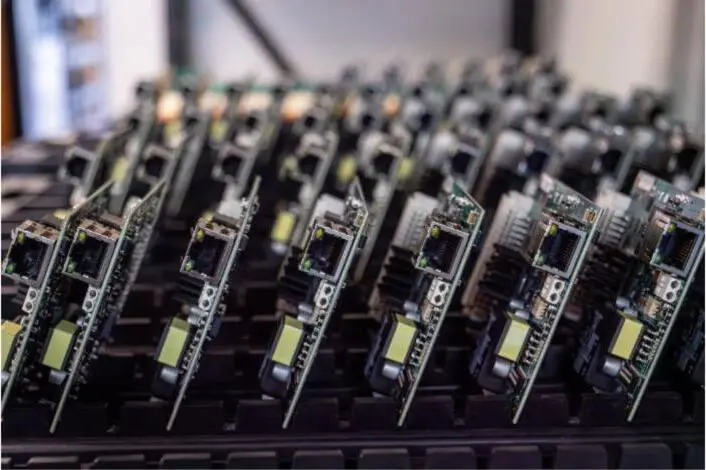
CC6 (Logical and Physical Access) requires restricting access to systems and data to authorized personnel. In a repair context, this means controlling who can enter facilities and access systems. Badge-controlled facility entry limits physical access. Role-based access to repair management systems and least-privilege permissions ensure technicians reach only what their job requires. Timely offboarding for departing staff closes access gaps promptly. Auditors examine three things: whether access reviews occur quarterly, whether MFA is enforced on all administrative systems, and whether physical access to device storage areas is logged and monitored.
CC7 (System Operations) requires detecting and responding to security anomalies and incidents. For repair operations, this covers malware detection on diagnostic systems, security monitoring of repair management software, documented incident response procedures and tested recovery plans.
Confidentiality Controls for Device Data
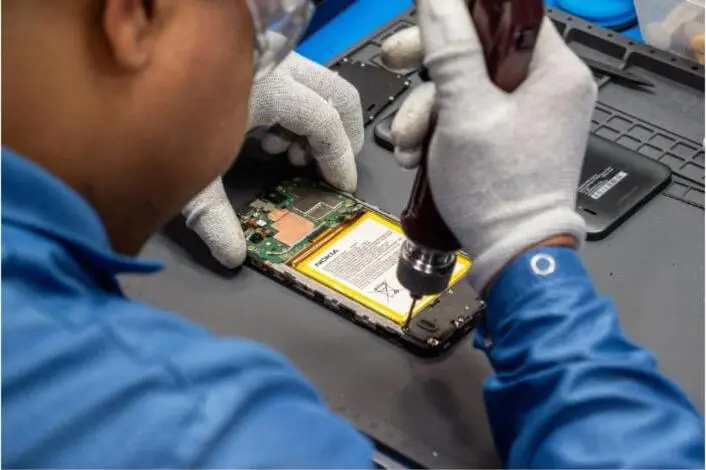
The Confidentiality criterion applies whenever repair providers handle confidential customer data, which is inherent to mobile device repair. Controls include data classification schemes, encryption of data at rest and in transit, non-disclosure agreements for all staff and certified data erasure aligned with NIST SP 800-88 before any component swap or physical repair. Auditors expect documented evidence that every device’s data is sanitized before it leaves the repair bench.
Availability for Repair Operations
Availability applies when repair providers make uptime or service continuity commitments. For repair depots, this means redundancy in repair management systems, documented disaster recovery plans and backup procedures that support continued repair operations without data loss.
Physical Security (CC6.4) in Repair Facilities
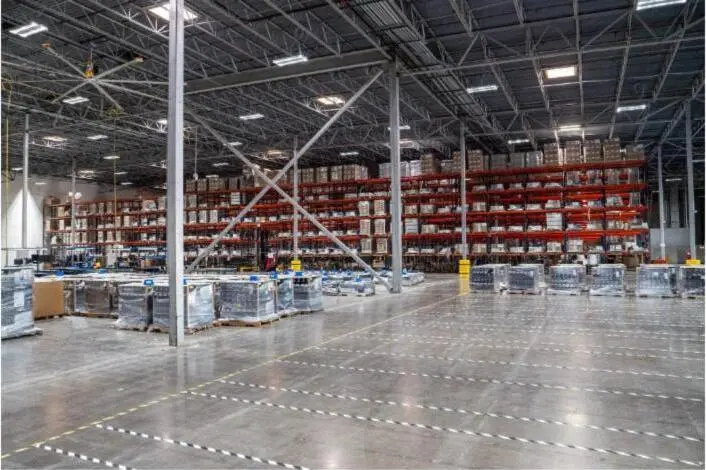
Physical security receives close scrutiny in repair depots. CC6.4 requires that physical access to facilities and protected information assets is restricted to authorized personnel. For repair operations, this means secure facilities with controlled entry, video surveillance coverage of repair benches and storage areas, visitor logs and documented chain of custody for every device from intake through return or disposition.
Implementation Roadmap for SOC 2 in Repair Businesses
SOC 2 compliance requires sustained effort, and the path follows a clear sequence. For a mobile device repair business, the roadmap involves these key steps.
- Define the audit scope. Identify which services and which Trust Services Criteria fall in scope. Most repair providers include Security plus Confidentiality and add Availability when they make uptime commitments.
- Conduct a gap analysis. Perform a comparison of existing controls against the Trust Services Criteria to identify deficiencies. Many organizations discover that a majority of required controls already exist but lack documentation or evidence.
- Develop and document policies. Use the gap analysis findings to determine which policies need creation or revision. Build the foundational policy set, including information security, access control, incident response, change management, vendor management and data handling procedures specific to device repair.
- Implement access controls. Deploy role-based access control for repair management systems. Enforce MFA across all administrative accounts. Establish a quarterly access review cadence and document joiner-mover-leaver processes.
- Establish data erasure and sanitization processes. Implement certified data erasure aligned with NIST SP 800-88 standards. Generate per-device erasure certificates tied to serial numbers or IMEIs that provide auditable proof of sanitization.
- Implement physical security measures. Deploy badge-controlled entry systems, video surveillance covering repair and storage areas, visitor management procedures and documented chain of custody protocols.
- Train employees on security and privacy. Conduct security awareness training that covers data handling, incident reporting and confidentiality obligations. Record training completion for audit evidence.
- Engage an independent auditor. Select a licensed CPA firm to conduct the SOC 2 Type I audit that evaluates control design, followed by a Type II audit that tests operating effectiveness over a defined observation period.
- Continuously monitor and improve controls. SOC 2 functions as an ongoing program. Maintain continuous evidence collection, conduct regular access reviews and prepare for annual Type II renewals.
Effort and Investment Required for SOC 2
Repair providers considering SOC 2 face meaningful effort and investment. The work spans readiness assessment, control implementation, documentation, an observation period with consistent control operation and evidence collection, then audit fieldwork and report issuance. Organizations with mature security programs progress faster than those building controls from the ground up.
Financial investment varies widely based on company size, scope and existing controls. Total spend includes audit fees, readiness assessments, compliance automation tooling, penetration testing and internal staff time. Renewal audits generally require less investment once controls and evidence pipelines operate reliably.
Organizational alignment often determines success. Insufficient executive sponsorship accounts for nearly half of failed SOC 2 programs. Scope creep, technical debt and a poor fit with the audit partner also create challenges. Repair providers benefit from securing clear executive commitment before starting.
Many repair providers choose to work with a SOC 2-compliant partner such as Premier Logitech to gain enterprise-grade security controls without building a full certification program. Ask a lifecycle expert how Premier Logitech’s compliance posture supports enterprise procurement requirements.
How to Evaluate a SOC 2 Compliant Repair Vendor
Enterprise buyers evaluating repair vendors benefit from looking beyond a simple SOC 2 label and confirming that controls address repair-specific risks. This checklist supports that review.
- Current SOC 2 Type II report. Request the report under NDA. Confirm that it is less than 12 months old, covers the services in scope and contains an unqualified opinion. Type I reports provide weaker assurance than Type II.
- Data erasure approach. Confirm alignment with NIST SP 800-88 standards. Check for per-device erasure certificates tied to serial numbers or IMEIs and verification that erasure is logged before component replacement.
- Physical security measures. Look for badge-controlled entry, video surveillance, restricted access to device storage areas and documented visitor management.
- Chain of custody controls. Confirm serial-number-level tracking from intake through repair and return. Review how custody transfers are documented and audited.
- OEM authorization status. ASC status signals that the vendor meets OEM standards for repair quality and parts handling.
- Additional certifications. ISO 9001, ISO 14001, NIST alignment and CMMC readiness indicate broader operational maturity.
Premier Logitech meets every criterion on this checklist, backed by SOC 2 certification and extensive OEM authorizations.
SOC 2 and Other Compliance Frameworks for Mobile Repair
Beyond SOC 2, repair providers encounter other frameworks based on customer requirements and regulatory environments.
NIST SP 800-88 is the recognized standard for media sanitization, defining Clear, Purge and Destroy methods. SOC 2 auditors reference NIST SP 800-88 when evaluating data erasure controls under Confidentiality and Security criteria.
CMMC (Cybersecurity Maturity Model Certification) is a Department of Defense requirement for contractors handling Controlled Unclassified Information. SOC 2 and CMMC Level 2 share significant control overlap, and CMMC adds DoD-specific practices such as personnel screening and detailed media sanitization procedures.
CTIA and WISE certifications are wireless industry programs that address repair quality and security best practices. They demonstrate industry commitment but lack SOC 2’s independent audit rigor.
ISO 27001 is an international information security management standard. Organizations with ISO 27001 certification often find most NIST 800-171 requirements already addressed, which supports efficient CMMC compliance.
For most enterprise buyers, SOC 2 Type II functions as the required baseline. Additional frameworks may apply for government contracts or specific regulatory contexts, and SOC 2 remains the central trust signal.
Common SOC 2 Pitfalls in Repair Depots
Common pitfalls in repair depot SOC 2 audits echo the criteria already discussed. Frequent issues include erasure documentation gaps, access control weaknesses, physical security lapses and incomplete incident response processes. Each area can be strengthened through the controls outlined in the implementation roadmap.
FAQ: SOC 2 Compliance for Mobile Device Repair
What is SOC 2 and why is it important for mobile device repair?
SOC 2 is an independent audit framework developed by the AICPA that verifies a service organization’s controls for protecting customer data. For mobile device repair, SOC 2 matters because repair providers handle devices containing sensitive corporate and personal data. The framework requires verified controls for physical security, data erasure and chain of custody, which address risk exposures specific to repair depots.
What is the difference between SOC 2 Type I and Type II?
Type I evaluates whether controls are properly designed at a single point in time. Type II evaluates whether controls operate effectively over a defined observation period. Enterprise buyers almost always require Type II because it provides evidence that controls work in practice. A Type I report sometimes serves as a bridge while a provider builds toward Type II.
How long does it take to get SOC 2 certified?
First-time SOC 2 Type II certification typically requires several months to over a year, depending on readiness, scope and existing controls. The process includes a readiness assessment, control implementation, an observation period and audit fieldwork. Type I certification generally completes faster because it evaluates design at a single point in time. The observation period for a first-time SOC 2 Type II audit often spans several months, based on the organization and auditor.
How much does a SOC 2 audit cost?
First-year all-in costs vary based on company size, scope and existing controls. Audit fees represent only a portion of total spend. Readiness assessments, compliance automation tooling, penetration testing and internal staff time also contribute. Annual renewal audits generally cost less than the initial engagement once controls and evidence pipelines operate consistently.
Does SOC 2 cover data erasure?
Yes. Under the Confidentiality and Security criteria, SOC 2 requires controls for disposing of confidential information, including certified data erasure aligned with NIST SP 800-88 standards. Auditors expect documented evidence of erasure for every device, typically in the form of per-device certificates tied to serial numbers or IMEIs. A disposal control without retained evidence does not satisfy this expectation.
How can an enterprise verify a vendor’s SOC 2 compliance?
Request the vendor’s SOC 2 Type II report under NDA. Confirm that the report is current, covers the services being procured and contains an unqualified opinion. Review the control descriptions and any exceptions or findings. Pay close attention to whether the report’s scope covers the specific services and facilities relevant to the engagement, and review any Complementary User Entity Controls the vendor expects the customer to implement.
Secure Enterprise Mobile Repair Operations with SOC 2 Compliance
SOC 2 compliance serves as the enterprise trust baseline that separates qualified repair vendors from unacceptable risk. Enterprise buyers benefit from evaluating repair-specific controls such as physical security, chain of custody, certified data erasure and documented incident response, rather than relying on a generic SOC 2 label alone. Repair providers pursuing certification make a significant but achievable investment that supports enterprise contracts and demonstrates operational maturity.
Premier Logitech combines SOC 2 certification with operational expertise for enterprise-scale repair programs. With ASC status for 20+ OEMs and compliance credentials spanning TAA, ISO, NIST and CMMC, Premier Logitech delivers the security, quality and scale that enterprise operations demand.
Evaluate a SOC 2-compliant repair partner with a lifecycle expert for an enterprise program.
