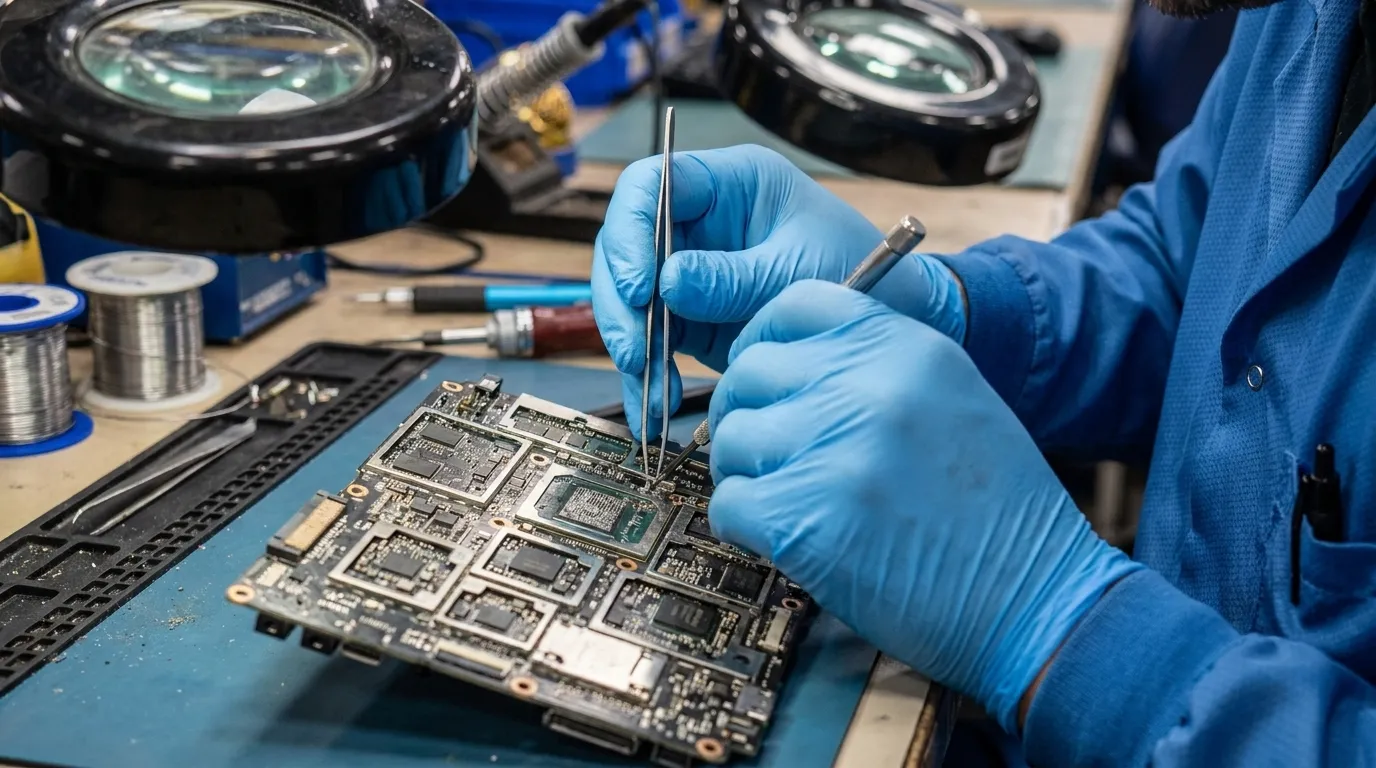
Key Takeaways for 2026 Configuration Pricing
- Technology configuration services cover device imaging, BIOS settings, kitting, software installation, cloud provisioning and asset tagging across enterprise, OEM and government deployments.
- Transparent pricing supports stricter compliance mandates, higher device volumes and accurate multi-year IT budgeting across complex vendor ecosystems.
- Five primary cost drivers, device complexity, compliance level, volume tiers, integration scope and logistics footprint, explain most configuration pricing variance.
- Premier Logitech uses a single-source lifecycle model that combines configuration, sourcing, kitting, depot repair and asset recovery under one compliant partner.
- Build a defensible 2026 configuration pricing framework with Premier Logitech based on program-specific requirements.
Primary Cost Drivers for Technology Configuration Services Pricing
Five factors explain most pricing differences across enterprise, OEM and government configuration programs.
- Device complexity. Workstations, servers and network gear require different imaging, hardening and testing steps. Server cluster setups demand more labor than standard endpoint imaging.
- Compliance level. TAA, CMMC, NIST SP 800-171 and SOC 2 requirements add controls, documentation, monitoring and audit-readiness work that increase per-device and program costs. The compliance section below details these adders.
- Volume tiers. Per-device configuration costs often decrease as volume rises. High-volume programs spread setup, tooling and labor across larger device counts.
- Integration scope. Programs that include cloud provisioning, ERP or MDM integration or multi-vendor kitting carry higher configuration costs than standalone imaging engagements.
- Logistics footprint. Multi-site deployments, nearshore operations and white-glove delivery add transportation and coordination costs that roll into total configuration pricing.
These five drivers create the baseline cost structure for any configuration program. The next section shows how they appear in 2026 per-device benchmarks by hardware category.
Per-Device Hardware Configuration Pricing Benchmarks for 2026
Per-device configuration pricing varies by hardware type and service scope. The ranges below reflect 2026 benchmarks for deployment-focused configuration work.
Server hardware configuration costs change with complexity. Single-server OS installation and base hardening cost more than endpoint imaging. Multi-server cluster configurations require additional engineering time and carry higher labor costs than standalone setups. Server setup costs are typically separate from and in addition to the hardware purchase price. Prices at the low end of published ranges often indicate that hardening or monitoring steps were skipped.
Endpoint workstation configuration covers imaging, BIOS settings, asset tagging and software loads, with costs that scale based on image complexity, compliance requirements and volume. Network gear configuration follows a similar pattern but depends on the number of managed interfaces, firmware requirements and integration with existing infrastructure instead of image complexity.
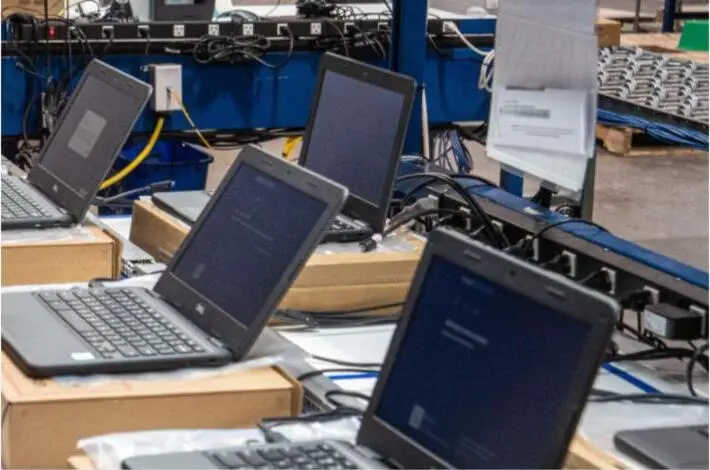
Premier Logitech configuration and fulfillment operations span multiple DFW facilities with nearshore capacity in Laredo and Nuevo Laredo, Mexico. That footprint supports high-volume programs across device categories without requiring clients to manage multiple regional vendors.
Get a scoped estimate for device mix and volume tier from Premier Logitech’s configuration team.
Choosing Hourly or Project-Based Configuration Pricing Models
Technology configuration services in 2026 follow two primary pricing models, hourly billing and project-based or fixed-price engagements. Each model aligns with different program structures.
Hourly rates reflect the technical depth of the work. General IT consulting and infrastructure support run at lower rates than cloud architecture and migration projects. Cybersecurity or compliance-focused engagements command higher rates than general support. Enterprise-level firms that handle complex or regulated deployments charge more than providers focused on standard IT work. Specialized fields such as AI and cybersecurity sit at the top of the rate spectrum.
Project-based pricing provides cost certainty for defined scopes. A paid discovery phase for mid-size IT projects such as infrastructure assessments or security audits costs more than basic consultation. Larger engagements scale from that baseline. A cloud architecture project with full implementation leadership costs more than a discovery-only phase.
Volume discount structures apply across both models. High-volume configuration programs benefit from negotiated per-unit rates that reflect economies of scale in labor, tooling and logistics. Managed IT services pricing offers a predictable alternative when ongoing configuration and support blend together.
Premier Logitech structures configuration engagements as standalone services or as part of an integrated lifecycle program, which allows clients to match pricing model to program scope.

Compare hourly and project-based pricing models for a specific configuration program.
Cloud and Edge Configuration Services Pricing Benchmarks 2026
Cloud-native configuration services follow pricing structures that differ from hardware-based work. AWS Config, a widely deployed cloud configuration management tool, uses a pay-as-you-go model. Continuous recording captures changes differently than periodic recording. AWS Config rule evaluations follow a pay-per-use pricing model charged according to the number of active evaluations.
Managed cloud services pricing for organizations that outsource cloud configuration management follows several models based on program complexity and cost predictability needs. Flat monthly retainers, which range from basic infrastructure support to full-stack DevOps with on-call support, work well for organizations that want stable costs despite usage swings. Multi-cloud or compliance-heavy environments often carry higher retainers than basic infrastructure.
Percentage-of-cloud-spend models offer an alternative for variable workloads. These models typically charge a portion of the monthly cloud bill after subtracting marketplace charges, partner-assigned credits and older billing rules. This structure ties vendor cost directly to actual consumption.
Edge configuration introduces a different cost profile. Read and write operations carry different charges, so read-heavy workloads can look different from write-light workloads. Open-source tools such as Cloud Custodian and Open Policy Agent remove per-resource charges for teams that have the engineering capacity to operate and maintain them.
Premier Logitech connected configuration and modern provisioning services support cloud-based deployment workflows and integrate cloud provisioning with physical kitting and fulfillment for programs that span cloud, edge and on-premises environments.
Compliance Premiums for TAA, CMMC, NIST and SOC 2
Compliance requirements add measurable cost to technology configuration services. The premiums below reflect 2026 data for government and enterprise programs that follow TAA, CMMC, NIST SP 800-171 and SOC 2 frameworks.
CMMC provides a clear example of how compliance affects recurring cost. For CMMC-aligned managed IT, Level 2 compliance adds recurring costs compared with standard IT plus basic security because it requires EDR or MDR, SIEM, vulnerability management, email security and MDM. Multi-site networks, on-premises servers or regulated OT and SCADA systems add further recurring costs on top of that baseline.
CMMC Level 2 also introduces one-time readiness investments. For a 50-person defense contractor, first-year Level 2 costs cover gap assessment, technology remediation, policy development, managed security services and C3PAO assessment fees. External cybersecurity consultants often support CMMC implementation on Level 2 projects.
The table below summarizes compliance premium ranges by framework and cost type, highlighting how recurring and one-time costs scale across CMMC levels and SOC 2.
| Framework | Recurring Premium (per user/mo) | One-Time Readiness Cost |
|---|---|---|
| CMMC Level 1 | Higher than standard IT rates | Varies by organization size |
| CMMC Level 2 | Higher than Level 1 rates | Substantial one-time investment |
| SOC 2 Type II | Ongoing monthly costs | Project-based investment |
Organizations with existing SOC 2 or ISO 27001 frameworks often incur lower CMMC remediation costs because many controls overlap with NIST SP 800-171 requirements. Defining a segmented CUI enclave instead of hardening an entire network can further reduce CMMC Level 2 compliance costs.
Premier Logitech holds TAA, TAPA, ISO, NIST, CMMC and SOC 2 certifications and operates under CAGE Code 4WAJ9 as a pre-vetted federal government partner. This compliance posture removes the need to source a separate compliant configuration vendor because credentials sit inside the service model.
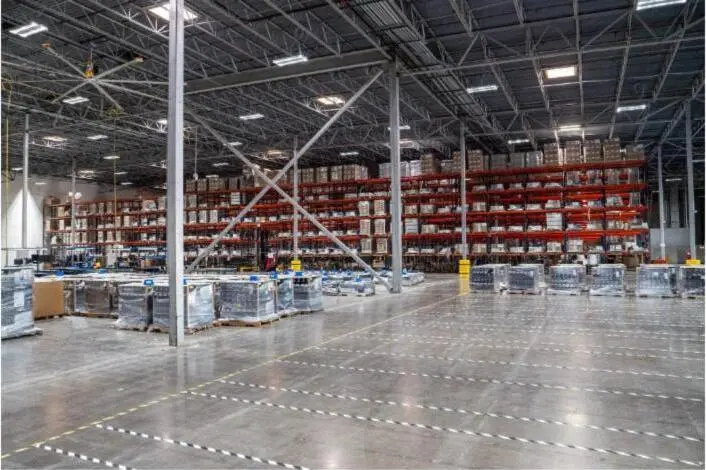
Assess how compliance requirements affect program total cost with Premier Logitech’s configuration team.
Total Cost of Ownership Across Configuration and Lifecycle Services
Technology configuration services pricing represents one line item inside a broader total cost of ownership calculation. TCO frameworks account for initial costs such as configuration, project management, integration development, data migration and training, plus ongoing costs such as support, maintenance and managed services. Hidden costs, including third-party integrations, downtime risk, underused licenses and vendor lock-in, also shape long-term economics.
For enterprise and government IT programs, configuration connects upstream to sourcing and procurement and downstream to deployment, depot repair and asset recovery. Fragmented vendors across those stages create coordination overhead, compliance gaps and missed asset recovery value. These effects raise TCO beyond what any single vendor invoice reveals.
Premier Logitech’s single-source model spans the full lifecycle, including TAA-compliant sourcing, configuration and kitting, warehousing, transportation, depot repair across L1 through L4 and certified ITAD with secure data destruction. This consolidation reduces the administrative burden of managing multiple vendor relationships and creates one point of accountability for compliance documentation across the lifecycle.
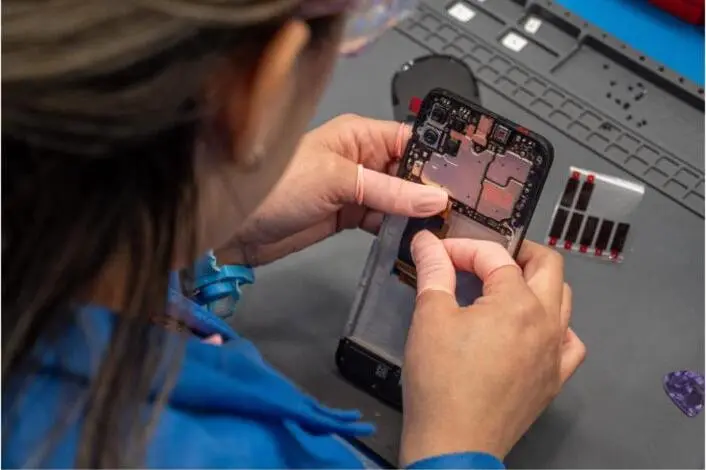
Premier Logitech’s operational scale, detailed earlier, extends beyond configuration facilities to include 20-plus OEM Authorized Service Center authorizations and a 120-plus carrier LTL network. These capabilities support programs that require configuration precision and logistics reach across the full lifecycle.
Frequently Asked Questions
What is a configuration fee?
A configuration fee is the charge a service provider applies to prepare a hardware or software asset for deployment. The fee covers labor and tooling for activities such as device imaging, BIOS configuration, software installation, asset tagging, SIM and IMEI pairing and quality testing. Providers quote configuration fees per device, per hour or as part of a fixed project price. Scope of work, device complexity, compliance requirements and volume all influence the final fee.
How do Dell or CDW configuration services compare to a dedicated lifecycle partner?
Dell and CDW provide configuration services that align closely with their own product lines or distribution channels. A dedicated lifecycle partner such as Premier Logitech delivers configuration as part of a broader end-to-end model that includes sourcing, kitting, warehousing, transportation, depot repair and asset recovery. For organizations that manage complex programs across multiple device types, OEM brands and compliance frameworks, a single lifecycle partner supports operational visibility and vendor consolidation.
How do volume tiers affect technology configuration services pricing?
Per-device configuration costs often decrease as program volume increases. Higher volumes allow service providers to spread setup, tooling, imaging infrastructure and labor costs across more units, which reduces the effective per-device rate. Enterprise and OEM programs that deploy thousands of devices per cycle gain the most benefit from volume-tier pricing structures. Programs with variable or unpredictable volumes may align better with hourly or project-based models that avoid volume commitments.
What compliance frameworks does Premier Logitech support for configuration services?
Premier Logitech compliance credentials, detailed in the compliance section above, cover the full range of government and enterprise frameworks. This coverage allows clients to maintain a compliant chain of custody throughout the technology lifecycle without engaging separate compliance-certified vendors for each service category.
How does integrating configuration with reverse logistics affect total cost of ownership?
When configuration and reverse logistics sit with separate vendors, organizations face coordination overhead, compliance documentation gaps and reduced asset recovery value. Integrating configuration with reverse logistics, including RMA management, depot repair, refurbishment and ITAD, under a single partner creates a closed-loop lifecycle model. That model reduces administrative costs, improves asset traceability and increases recovery value from returned or end-of-life devices. It also simplifies compliance reporting because one partner maintains documentation across the full asset lifecycle.
Conclusion: Building a 2026 Configuration Pricing Evaluation Framework
A defensible 2026 technology configuration services pricing evaluation starts with five inputs, device mix and complexity, compliance requirements, program volume, integration scope and logistics footprint. Each input maps to a cost driver that shapes per-device rates, compliance premiums and total program TCO.
The 2026 benchmarks in this guide, from per-device server configuration ranges to CMMC recurring premiums to managed cloud retainer models, provide a starting baseline. Actual program costs depend on the specific combination of those inputs and the vendor model that delivers services.
Premier Logitech consolidates configuration, kitting, sourcing, transportation, depot repair and asset recovery into a single TAA, CMMC, NIST and SOC 2-compliant program. For operations and supply chain leaders who manage fragmented vendor relationships and unpredictable compliance costs, that consolidation creates a direct path to a defensible TCO model.
Build a scoped 2026 configuration pricing framework for a specific program with Premier Logitech.
