How to Write a Technology Configuration Services RFP
Key Takeaways for Configuration Services RFPs
A technology configuration services RFP must define scope, compliance requirements, evaluation criteria and contractual expectations for device imaging, provisioning, BIOS configuration, SIM/IMEI pairing and related lifecycle tasks.
Strong RFPs include a clear Project Overview, detailed Scope of Work, MoSCoW-prioritized Technical Requirements and explicit Security and Compliance mandates such as TAA, NIST, CMMC and SOC 2 Type II.
Evaluation criteria should be locked before proposals are opened, with weighted scoring for technical capability, security posture, past performance, implementation approach and cost.
Red flags include missing compliance documentation, ASC authorization gaps, subcontractor opacity and vague SLA language that signal weak operational discipline.
Premier Logitech delivers end-to-end configuration and lifecycle services under one authorized, government-grade program; request a vendor consolidation consultation to close compliance gaps.
Project Overview: Set Context for Configuration Vendors
The Project Overview section establishes organizational context so vendors can calibrate proposals accurately. This section covers the agency or enterprise background, the current technology stack, device volumes, deployment geography and the specific gaps driving the procurement.
As Viewpoint Analysis notes, a strong IT RFP opens with a clear problem statement and then invites vendors to propose a solution. Procurement teams that skip this section receive generic proposals that require multiple clarification rounds.
Sample language for this section:
[Organization] manages a fleet of [device category] assets across [number] locations. Current configuration services are split across [number] vendors, creating visibility gaps, inconsistent imaging standards and compliance risk. This RFP seeks a single authorized partner to consolidate imaging, provisioning, BIOS configuration, SIM/IMEI pairing and cloud enrollment under one program.
Scope of Work: Translate Goals into Concrete Tasks
Once the organizational context is established, the next step is translating high-level goals into specific, quotable deliverables. Effective RFPs define scope using specific, quotable deliverables rather than vague terms like “support” or “assistance.” The Scope of Work section must list both in-scope and out-of-scope items to prevent later disputes over additional costs.
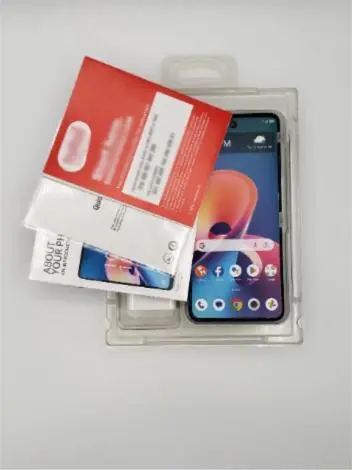
Configuration and deployment done once, done right — imaging, BIOS setup, asset tagging, and serialization stage fleets of devices for seamless, secure roll-out to end users.
Sample language for configuration-specific tasks:
Device imaging: Vendor shall apply a [organization]-approved OS image to all devices prior to shipment, validated against a golden image checksum provided by [organization] IT. This imaging step precedes BIOS configuration so hardening settings apply to the correct OS baseline.
BIOS configuration: After imaging is complete, vendor shall configure BIOS/UEFI settings per [organization] hardening standards, including Secure Boot enablement, boot-order lockdown and TPM activation. These firmware controls protect devices before they reach the network.
SIM/IMEI pairing: For cellular-enabled devices, vendor shall pair SIM cards to assigned IMEI numbers, validate carrier activation and document pairing records in a serialized manifest delivered with each shipment. This pairing step ensures devices arrive network-ready.
Cloud provisioning: Vendor shall enroll devices in [Microsoft Autopilot / Apple Business Manager / Android Zero-Touch] and confirm enrollment status before shipment release. This step aligns device setup with the organization’s cloud management strategy.
Asset tagging and serialization: Vendor shall apply [organization]-supplied asset tags and update the CMDB or designated asset management system within one business day of configuration completion. This record closes the loop between physical devices and system-of-record data.
Technical Requirements: Define Must-Haves and Nice-to-Haves
Mandatory technical requirements for a configuration services RFP typically include:
Demonstrated capacity to handle high-volume imaging and provisioning runs within program-defined cycle times
Secure, access-controlled configuration environment with documented chain-of-custody procedures
Support for modern provisioning platforms including Windows Autopilot, Apple Business Manager and Android Zero-Touch Enrollment
Serialized shipment manifests with IMEI, serial number and asset tag reconciliation
Integration capability with buyer CMDB, ERP or asset management systems via API or structured data file
Desirable specifications sit below these mandatory items and strengthen program resilience. Examples include nearshore or domestic configuration facilities, dedicated program management contacts and real-time order tracking portals.
BOM-based kitting and configuration ship devices ready to deploy — imaged, labeled, and packaged with day-one materials — at up to 500,000 units a month across B2B, B2C, and DTC.
Security and Compliance: Protect Data and Meet Regulatory Demands
The CMMC 2.0 final rule (32 CFR) took effect on December 16, 2024, which ties many DoD bids to CMMC Level 2 documentation under Phase 1 rules. As a result, solicitations now scrutinize data protection practices, third-party risk management and incident response readiness alongside technical qualifications.
Mandatory compliance items to include in the RFP work together to cover sourcing, data handling and authorization status:
TAA compliance: All hardware sourced or handled under this contract must comply with the Trade Agreements Act, which governs country-of-origin requirements.
NIST SP 800-171: Vendor shall demonstrate alignment with NIST SP 800-171 controls governing Controlled Unclassified Information handling, including access control and incident response.
CMMC Level 2 (if applicable): Vendor shall provide current CMMC assessment documentation or self-assessment results as required under Phase 1 rules that follow the 2024 effective date.
SOC 2 Type II: Vendor shall provide the most recent SOC 2 Type II audit report within 10 business days of contract execution and annually thereafter, covering security and availability controls.
Authorized Service Center (ASC) status: Vendor shall hold current ASC authorization for all OEM brands included in the device fleet covered by this contract, which protects warranty and repair eligibility.
Secure data handling: Vendor shall document encryption standards for data at rest and in transit, access control models and breach notification timelines so incident handling expectations remain clear.
Premier Logitech holds TAA, TAPA, ISO, NIST, CMMC and SOC 2 certifications and operates under CAGE Code 4WAJ9 as a pre-vetted federal partner. ASC authorization across multiple OEM brands means the compliance section of a configuration services RFP maps directly to existing Premier Logitech credentials.
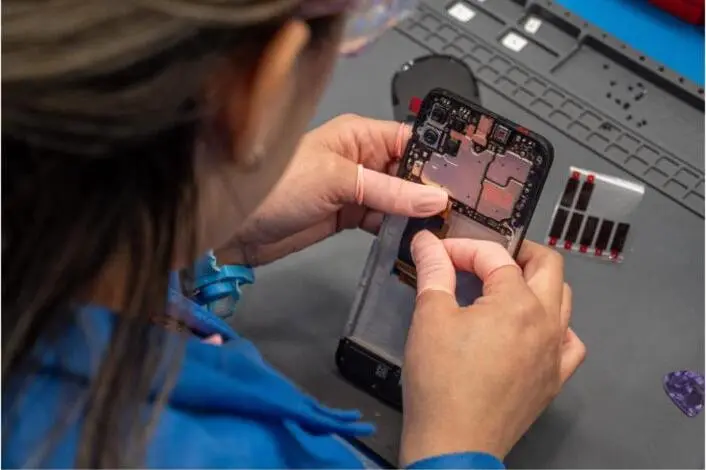
Device lifecycle management across the full arc — deploy, support, repair, and recover — with secure data wipe and NIST-compliant handling protecting every asset from first login to disposition.
Weeks 7-8: Scoring calibration, shortlist to two or three vendors, reference calls
Week 9: Finalist presentations
Week 10: Selection, negotiation and contract award
Weeks 11-12: Program onboarding and first configuration run
Shorter procurement cycles increase the likelihood of post-award adjustments, so compressing the timeline to meet internal deadlines introduces downstream risk.
Evaluation Criteria: Weight Capability and Security First
The framework below weights technical capability and security or compliance at 60 percent combined. This balance reflects that configuration services center on secure, accurate device handling rather than cost reduction alone.
Security and compliance posture, 25%: TAA, NIST, CMMC, SOC 2 Type II, ASC authorizations and data handling practices
Past performance, 20%: Minimum three verifiable references from comparable configuration programs completed within the past three years
Implementation approach, 10%: Onboarding plan, program management model, escalation procedures and SLA commitments
Cost and commercial terms, 10%: Total cost of ownership, pricing transparency and payment terms
Pass or fail mandatory items include TAA compliance, a current SOC 2 Type II report, ASC authorization for all fleet OEMs and documented secure data handling procedures.
Vendor Questions: Expose Real Capacity and Methods
Targeted questions reveal methodology, real-world capacity and compliance depth that narrative proposals often obscure. These questions align with the evaluation criteria and help confirm vendor claims.
Describe the physical security controls and access management procedures in place at the configuration facility where devices under this contract will be processed.
List all OEM brands for which the organization currently holds active Authorized Service Center status and provide documentation.
Describe the process for validating imaging accuracy, including golden image checksum verification and exception handling for failed devices.
Explain the organization’s documented process for SIM/IMEI pairing, carrier activation validation and manifest reconciliation.
Describe the organization’s incident response procedure, including breach notification timelines and the point of contact responsible for notifying the buyer.
Explain how the organization supports hybrid or staged rollouts where some devices require cloud enrollment and others require traditional imaging.
Provide three references from configuration or provisioning programs of comparable volume, including contact names and program scope.
Describe the single-vendor consolidation model offered, including which lifecycle services such as repair, reverse logistics, kitting and fulfillment can be delivered under one contract.
Red Flags: Spot Risk Before Contract Award
Proposal review should flag these warning signs before scoring begins so the evaluation team can focus on qualified vendors.
Compliance claims without supporting documentation, such as NIST or CMMC alignment without assessment results or audit reports
ASC authorization gaps, where a vendor cannot provide current ASC credentials for all OEM brands in the fleet and creates warranty and repair risk
Subcontractor opacity, including proposals that reference configuration partners without naming them or disclosing their compliance posture
Vague SLA language, with terms like “best efforts” or “timely delivery” without defined metrics and remedies that indicate weak operational discipline
No chain-of-custody documentation, even though configuration services handling enterprise or government devices must maintain serialized records at every stage
Single-facility concentration, where vendors operate from one location without contingency capacity and introduce supply chain risk for high-volume programs
Fragmented service model, where a vendor handles imaging but subcontracts provisioning, kitting and reverse logistics to separate parties and cannot deliver the visibility or accountability a consolidated program requires
Frequently Asked Questions About Configuration Services RFPs
What is the difference between a technology configuration services RFP and a general IT services RFP?
A technology configuration services RFP focuses specifically on device-level tasks such as imaging, BIOS hardening, SIM/IMEI pairing, cloud enrollment and asset tagging rather than broad IT management or helpdesk services. The scope, compliance requirements and evaluation criteria are tailored to physical device handling, chain-of-custody documentation and OEM authorization status, which general IT services RFPs rarely address in detail.
Which compliance frameworks should a configuration services RFP require?
For enterprise buyers, SOC 2 Type II and NIST SP 800-171 serve as standard baselines. Government and defense-adjacent programs should add TAA compliance, CMMC Level 2 documentation and CAGE Code verification. Programs involving device repair or OEM warranty work must also require current Authorized Service Center credentials for every OEM brand in the fleet. Buyers in regulated industries may add HIPAA, PCI DSS or sector-specific frameworks depending on the data environment the devices will access.
How many vendors should receive a technology configuration services RFP?
A limited number of pre-qualified vendors is typically invited. Sending the RFP to more than five can produce inconsistent responses and extend the evaluation timeline without improving selection quality. Pre-qualification should verify relevant OEM authorizations, comparable program references from the past three years and confirmed compliance certifications before the RFP is issued.
What is the benefit of a single-vendor model for configuration services?
A single authorized partner eliminates the handoff gaps that occur when imaging, provisioning, kitting, fulfillment and reverse logistics are split across multiple vendors. Consolidated programs produce a single chain-of-custody record, one compliance posture to audit, one escalation path and unified reporting across the full device lifecycle. For procurement teams managing complex deployments, vendor consolidation also reduces contract administration overhead and improves supply chain visibility.
How should an RFP handle configuration services for both legacy and cloud-enrolled devices?
The Scope of Work section should explicitly address hybrid deployment scenarios, specifying which device categories require traditional imaging, which require cloud enrollment and whether any require both. RFPs should ask vendors to describe methodology for staged or mixed rollouts, including how exceptions, failed enrollments and devices that require re-imaging before shipment are handled. Federal buyers can note that agencies increasingly value providers capable of supporting hybrid deployments and migration-aware device setup as cloud modernization continues alongside legacy system maintenance.
Conclusion: Build a Defensible Configuration Services RFP
A structured technology configuration services RFP that covers Project Overview, Scope of Work, Technical Requirements, Security and Compliance, Timeline, Evaluation Criteria, Vendor Questions and Red Flags produces comparable proposals, organizes internal requirements and supports defensible vendor selection. Compliance gaps, fragmented vendor relationships and opaque subcontracting arrangements represent common sources of program failure, and a well-constructed RFP surfaces all three before contract award.
Premier Logitech delivers end-to-end configuration and lifecycle services, including device imaging, BIOS configuration, SIM/IMEI pairing, cloud provisioning, kitting, fulfillment and reverse logistics, under one authorized program. The certifications and authorizations detailed earlier fulfill every line item a configuration services RFP requires.