
Last updated: August 6, 2026
Key Takeaways
- Reverse logistics circular economy services recover value from IT and electronics returns through inspection, repair, refurbishment, remarketing and responsible recycling instead of landfill disposal.
- Seven criteria separate capable partners from fragmented vendors: service scope, technical repair capabilities, quality and compliance certifications, scalability and flexibility, visibility and data analytics, network coverage and total cost and asset-recovery value.
- Premier Logitech holds ASC authorization for more than 20 OEM brands, operates under TAA, NIST, CMMC, SOC 2, ISO and TAPA frameworks and processes high-volume repairs across DFW and nearshore facilities.
- Serialized, item-level tracking through a 120-plus carrier TMS, combined with national and nearshore reach, delivers audit-ready compliance reporting and consistent execution for regulated buyers.
- Premier Logitech consolidates fragmented vendors into a single accountable partner that reduces cost per return, protects asset value and satisfies compliance requirements. Request a reverse logistics program review.
Choosing a reverse logistics partner for IT and electronics returns is a risk-management decision. The wrong partner creates compliance exposure, slows triage and erodes asset value. Fragmented vendors also make accountability harder when audits or incidents occur. The seven criteria below form a practical framework for selecting partners that can scale under regulatory and volume pressure.
Criterion 1: End-to-End Reverse Logistics Service Scope
Effective reverse logistics programs cover the full returns journey from RMA intake through certified recycling. RMA intake, triage, depot repair, refurbishment, grading, remarketing and recycling work best under a single accountable structure. Programs that hand off between separate freight, storage and processing vendors create accountability gaps that increase loss and compliance risk, particularly in high-volume IT returns environments.
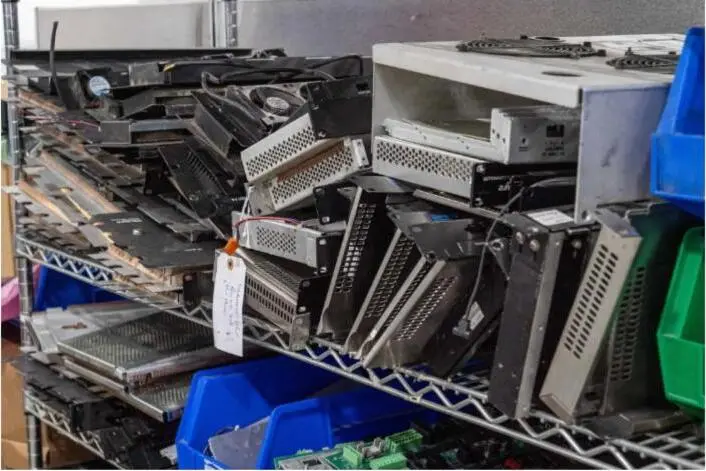
Premier Logitech operates as both a single-source lifecycle partner and a modular services provider. Clients can engage for end-to-end program management or select individual services, such as depot repair, configuration, fulfillment or transportation, on a standalone basis. The model supports consistent handling from sourcing through responsible recycling.
Criterion 2: Technical Repair Capabilities for IT Hardware
IT and electronics returns require repair depth from cosmetic refurbishment through board-level diagnostics. L1 covers basic functional testing and software reloads. L2 addresses component-level repair. L3 and L4 involve board-level and advanced electromechanical work. Without authorized service center status, providers cannot perform warranty-valid repairs for major OEM brands, which forces returns into costly out-of-warranty channels.
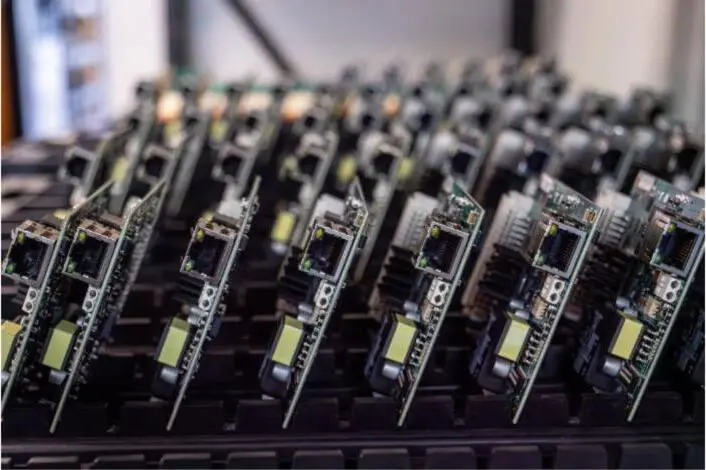
Premier Logitech holds ASC authorization for more than 20 OEM brands, supporting L1 through L4 repair at scale across its DFW facilities and nearshore operations. That authorization depth creates a structural barrier that generic 3PLs cannot match. ASC status also forms the base for meeting data-sanitization, chain-of-custody and environmental-handling standards that government and enterprise programs require.
Criterion 3: Quality, Data Security and Compliance Certifications
Certification requirements for IT asset disposition reverse logistics have grown more specific. NIST SP 800-88 Revision 2 defines three sanitization levels: Clear, Purge and Destroy. R2v3 (SERI) is an electronics-recycling standard for ITAD, with data-sanitization requirements in Appendix B that require recording of sanitization results for each unique identifier and routine verification of a sample of logically sanitized media.
2026 compliance trends: Americans generate millions of tons of electronic waste every year, yet the U.S. recycling rate sits below rates in Europe under the WEEE Directive. That gap is closing as federal right-to-repair statutes in several states, along with state-level circular-economy tax credits, compel OEMs to harvest parts from returned electronics rather than send them to landfill. The financial case for compliance is strengthening as manufacturers implementing closed-loop processes report improved revenue and reduced unit costs. ESG reporting pressure now treats refurbishment capacity as a competitive differentiator instead of a cost center.
Premier Logitech operates under TAA, NIST, CMMC, SOC 2, ISO quality frameworks and TAPA, supporting government and enterprise compliance requirements across regulated sectors. Certification alignment at this level forms the foundation for scalable, audit-ready programs.
Criterion 4: Operational Scalability and Program Flexibility
Return volumes in IT and electronics fluctuate throughout the year. Seasonal spikes and post-holiday rushes can push processing timelines beyond standard windows at facilities without dedicated capacity. Buyers benefit from partners that absorb volume surges without degrading turnaround or grading accuracy.
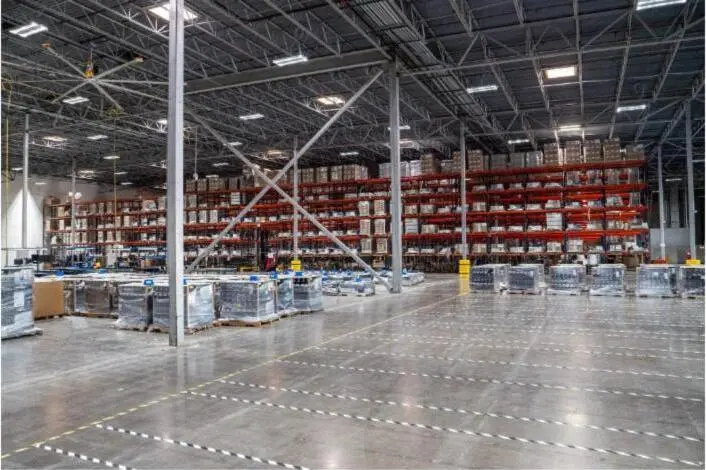
Premier Logitech processes a high volume of repairs per week across its DFW facilities, with nearshore operations in Laredo and Nuevo Laredo providing additional cost-competitive capacity. Programs can scale modularly, adding depot repair, refurbishment or recycling lanes without a full program rebuild. As volume grows across those lanes, operational flexibility requires serialized tracking and compliance reporting that prove each asset was handled correctly.
Criterion 5: Visibility, Tracking and Reverse Logistics Analytics
Multi-vendor logistics setups fragment tracking and force teams to access multiple portals for a single shipment, which creates data silos that reduce end-to-end visibility. For IT asset disposition reverse logistics, that fragmentation creates compliance exposure. Without serialized tracking and chain of custody during transport, a missing drive cannot be investigated for compliance with regulations such as HIPAA, GLBA or state breach-notification laws.
Premier Logitech’s transportation management system provides real-time tracking across its 120-plus LTL carrier network, with lifecycle analytics and compliance reporting built into program delivery. Serialized, item-level traceability from intake through final disposition gives operations directors audit-ready data that regulators and OEM partners require. That visibility infrastructure supports the geographic reach that national programs depend on.
Schedule a consultation to design a visibility-first reverse logistics program.
Criterion 6: Network Coverage and Logistics Reach for IT Returns
Geographic reach determines whether a reverse logistics partner can execute consistently across all return origins, not just major metros. Multi-location businesses face the “paper coverage” problem where vendors claim nationwide reach but lack execution in remote areas, which leads to inconsistent technician quality, delayed dispatches and poor inter-vendor coordination.
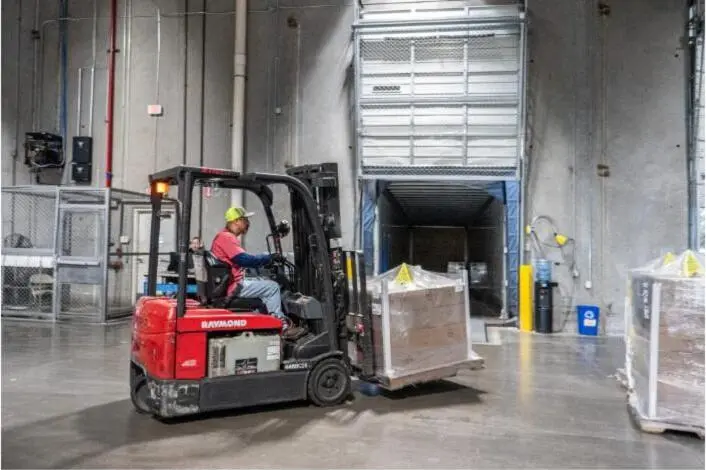
Premier Logitech operates a national LTL network of more than 120 vetted North American carriers, anchored by the three DFW facilities described earlier and positioned near one of the world’s busiest air cargo hubs. The nearshore operations in Laredo and Nuevo Laredo extend that reach for cross-border programs. That network footprint supports the total-cost and recovery-value analysis that closes the partner evaluation.
Criterion 7: Total Cost and Asset-Recovery Value from Returns
A device held for months in reverse logistics can lose a large percentage of its market value because electronics depreciate quickly. Speed and accuracy at triage act as direct drivers of recovery economics. Value-added services including inspection, refurbishment, grading, repair, resale and certified disposal are expanding as companies pursue recovery values for electronics.
Vendor consolidation can reduce costs and cut maintenance overhead compared to fragmented models. Premier Logitech replaces fragmented repair, fulfillment and recycling vendors with a single accountable partner, which eliminates redundant contract management, billing complexity and SLA misalignment. That consolidation also enables tighter control over disposition routing. Remarketing and certified refurbishment programs then recover resale value from returned inventory rather than routing recoverable assets to recycling prematurely.
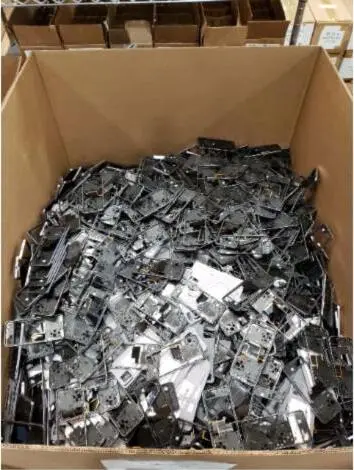
What to Look for in a Circular Reverse Logistics Partner
Use this checklist when evaluating circular economy reverse logistics services providers for IT and electronics programs.
Service Scope
- End-to-end coverage from RMA intake through certified recycling
- Modular engagement options for partial-program needs
- Single point of accountability across all service lanes
Repair Authorization
- ASC authorization for the OEM brands in the program
- L1 through L4 repair capability performed in-house
- Cosmetic refurbishment and grading for secondary market channels
Certifications and Compliance
- NIST SP 800-88 Rev. 2 data sanitization with serialized certificates
- R2v3 or e-Stewards for environmental handling and downstream due diligence
- TAA, CMMC, SOC 2 and ISO frameworks for government and enterprise programs
- NAID AAA for data destruction operations
Scalability
- Demonstrated high-volume weekly repair and processing capacity
- Nearshore or regional operations for cost-competitive surge capacity
- Flexible program structures that scale without full rebuilds
Visibility
- Serialized, item-level tracking from pickup through final disposition
- Real-time TMS and lifecycle analytics accessible to the buyer
- Compliance reporting aligned to audit requirements
Network Reach
- Vetted national LTL carrier network with consistent execution in non-metro areas
- Proximity to major air cargo hubs for time-sensitive returns
Recovery Economics
- Remarketing and certified refurbishment programs that preserve resale value
- Transparent cost-per-return and disposition-outcome reporting
- Single-vendor consolidation that eliminates redundant vendor overhead
RFP Questions to Ask Potential Providers
- What OEM brands does the provider hold active ASC authorization for, and at what repair levels?
- How does the provider maintain serialized chain of custody from device decommission through verified data destruction under NIST SP 800-88 Rev. 2?
- Which certifications are currently active, such as R2v3, NAID AAA, ISO 27001, SOC 2 and CMMC, and what are the renewal dates?
- How does the provider handle intake discrepancies when a returned item does not match the declared condition or reason code?
- What reporting does the provider deliver on return reasons, condition codes, turnaround times and final disposition outcomes?
- How does the provider’s capacity model accommodate volume spikes without degrading grading accuracy or turnaround?
- What is the provider’s process for routing returned assets to refurbishment versus recycling, and how is that decision documented?
- How does the provider’s TMS integrate with the buyer’s order management, inventory and ERP systems?
- What portion of repair, refurbishment and recycling work is performed in-house versus subcontracted, and how is subcontractor compliance verified?
- How does the provider quantify asset-recovery value returned to the buyer, and what remarketing channels are available?
Next Steps for Reverse Logistics Partner Selection
The seven-criterion framework gives operations and supply chain leaders a structured basis for evaluating reverse logistics companies in 2026. The framework covers service scope, technical repair capabilities, certifications, scalability, visibility, network coverage and total cost and recovery value.
Global e-waste is projected to reach tens of millions of metric tons by 2030, with the formal collection and recycling rate expected to decline, which results in an estimated tens of billions in lost value annually. The U.S. reverse logistics market is forecast to grow substantially as returns volumes rise. Fragmented, non-compliant programs compound cost and risk as that volume increases.
Premier Logitech consolidates vendor complexity into a single accountable partner that is ASC authorized, compliance certified and built for high-volume IT and electronics returns. From sourcing through responsible recycling, the platform is designed to reduce cost per return, protect asset value and satisfy the compliance requirements that regulated buyers must meet.
Frequently Asked Questions
What certifications should a reverse logistics partner hold for IT asset disposition in regulated industries?
For regulated enterprises, the baseline certification stack includes R2v3 or e-Stewards for environmental handling and downstream due diligence, NAID AAA for data destruction operations and ISO 27001 or SOC 2 for information security management. Government and defense programs add NIST SP 800-88 Rev. 2 compliance, CMMC and TAA conformance. Financial services programs layer in GLBA Safeguards Rule and SOX documentation requirements, including serialized certificates of destruction retained for a minimum of seven years. Buyers should verify that certifications are current, that the scope matches the specific services being procured and that the provider performs work in-house rather than subcontracting to uncertified downstream vendors. Premier Logitech’s certification stack, detailed in Criterion 3, covers the baseline requirements for government and enterprise programs.
How does single-source reverse logistics reduce cost and compliance risk compared to multi-vendor models?
Multi-vendor reverse logistics programs create fragmented tracking, redundant contract management, SLA misalignment and accountability gaps that are difficult to resolve when assets go missing or data exposure occurs. Each handoff between separate freight, storage and processing vendors introduces a point where chain of custody can break. A single accountable partner maintains serialized, item-level traceability from intake through final disposition, provides unified compliance reporting and eliminates the administrative overhead of managing separate billing, audits and renewal cycles across multiple providers. Vendor consolidation also improves negotiating leverage and prioritized capacity that fragmented buyers cannot access as low-volume clients to each vendor.
What repair levels should an IT reverse logistics partner support, and why does ASC authorization matter?
IT and electronics returns require repair capability across four levels. L1 covers basic functional testing, software reloads and cosmetic inspection. L2 addresses component-level repair and replacement. L3 involves board-level diagnostics and repair. L4 covers advanced electromechanical and manufacturing-level work. Without ASC authorization from the OEM brand in question, a provider cannot perform warranty-valid repairs, which forces returned devices into out-of-warranty channels that increase cost per return and reduce recovery value. ASC authorization also signals that the provider meets the OEM’s quality, tooling and process standards, a requirement that generic 3PLs without formal authorization cannot satisfy. As noted earlier, Premier Logitech’s ASC authorization spans more than 20 OEM brands.
How do 2026 e-waste regulations and ESG reporting requirements affect reverse logistics program design?
State-level right-to-repair statutes, extended producer responsibility legislation and ESG reporting mandates are reshaping how OEMs and enterprises structure their reverse logistics programs. Right-to-repair laws in California, New York and Minnesota require OEMs to make parts and repair documentation available, which accelerates domestic refurbishment investment. ESG scorecards increasingly require documented recycling rates, certified data destruction and chain-of-custody reporting that third parties can audit. New DOT lithium-battery transport rules are raising return costs for electronics and push shippers toward specialized providers with compliant handling infrastructure. Programs designed without these requirements embedded from the start face retrofit costs and audit exposure as regulatory enforcement intensifies.
What metrics should operations directors track to evaluate reverse logistics program performance?
Five core KPIs provide a complete picture of reverse logistics program health: rate of return, cost per return, asset recovery value, disposition turnaround time and return reason-code quality. Rate of return identifies product or process issues that drive volume. Cost per return benchmarks operational efficiency across intake, repair and disposition. Asset recovery value measures how much of the original device value is preserved through refurbishment and remarketing versus lost to recycling or scrap. Disposition turnaround time tracks how quickly returned assets move from intake to a revenue-generating or compliant end state. Reason-code quality measures the accuracy and completeness of return data, which drives better triage decisions and reduces inaccurate disposition routing that destroys recoverable value.
