Last updated: August 26, 2026
Key Takeaways
- High-volume tech reverse logistics works best as an integrated workflow that connects authorization, triage, refurbishment, data sanitization and disposition.
- Pre-return authorization and AI-assisted grading cut inbound volume and processing cost by filtering ineligible returns and standardizing condition assessments.
- Regional hubs paired with closed-loop refurbishment speed value recovery and increase per-unit revenue compared with centralized or liquidation-only models.
- NIST-compliant data sanitization, chain-of-custody records and SOC 2/CMMC frameworks reduce breach risk and satisfy enterprise and government requirements.
- Premier Logitech provides certified infrastructure, ASC authorizations and real-time analytics that turn high-volume tech returns into a scalable recovery engine, and teams can talk to a lifecycle expert to get started.
Strategy 1: Pre-Return Authorization for Controlled Inbound Volume
Pre-return authorization (PRA) reduces bottlenecks by blocking ineligible, fraudulent or misdirected units before they reach processing lines. At high monthly volumes, this control protects capacity for units that qualify for recovery.
A complete PRA program uses connected steps that work together.
- A web or API-based RMA portal validates serial numbers, warranty status and return eligibility in real time.
- Policy rules on purchase date, product category and condition thresholds auto-approve, escalate or deny requests.
- The system generates pre-paid labels only for approved units, which keeps inbound freight spend aligned with policy.
- Denial data flows into the return-prevention feedback loop in Strategy 7, where product and support teams address root causes.
Implementation cost and customer-experience friction trade against operational savings from lower inbound volume. For programs with high monthly returns, per-unit savings on receiving, triage and disposition usually exceed portal development cost. Processing a returned electronics unit costs $35–$55 per unit (all-in), so even modest volume reduction has material impact on program economics.
Premier Logitech RMA management infrastructure supports configurable authorization rules across product lines, which lets OEMs and telecom providers enforce return policies consistently without manual review at intake. Once inbound volume is controlled through PRA, the next constraint becomes processing speed and grading consistency, which sets the stage for AI-assisted triage.
Strategy 2: AI-Assisted Triage and Grading for Consistent Decisions
AI-assisted triage replaces subjective manual grading with structured, repeatable condition assessment at scale. This structure increases throughput and protects recovery value on every unit.
A production-grade AI triage stack for electronics reverse logistics includes connected technology layers.
- Computer vision models review multi-angle images at receiving and assign condition grades, such as A, B, C or dispose, with a confidence score.
- A rules engine applies warranty status, repair economics and refurbishment capacity constraints to each graded unit.
- Serial-number validation and warranty checks integrate with OEM databases to confirm entitlement.
- Fraud-detection logic flags swapped components, tampered serials or mismatched models for review.
- Real-time analytics dashboards and audit trails record every AI decision for compliance and tuning.
Retailers that apply AI and automation across returns handling, grading and disposition routing can cut per-unit processing costs, with top performers reaching significant savings. Brands that combine a rules engine with an AI probability layer reduce time spent on the repair-versus-replace decision and standardize outcomes.
Model maturity creates the main trade-off. Vision models rely on broad pre-training and need limited brand-specific data. Probability models for disposition decisions require structured case history. Programs gain early value by deploying vision and rules-engine layers first, then adding probability models as historical data accumulates.
Premier Logitech depot operations support structured intake workflows that feed condition and disposition data into program analytics. Over time, this history powers more accurate AI decisioning and prepares operations for regional hub deployment in Strategy 3.
Strategy 3: Regional-Hub Economics for Faster Value Recovery
Regional hubs shorten transit time and start value recovery sooner than single national facilities. Faster intake protects asset value for fast-depreciating tech products.
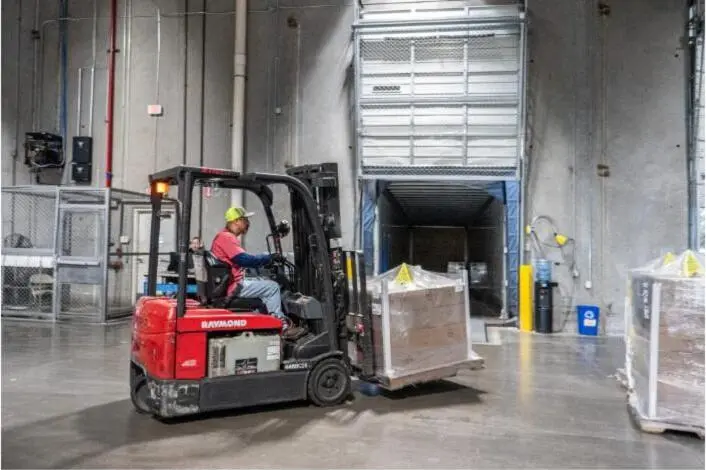
A regional-hub model follows a clear sequence.
- Intake and triage capacity sits within one to two days of ground transit from the densest return origin zones.
- Teams perform condition grading and data sanitization at the regional hub before consolidation for repair or refurbishment.
- Hub-level disposition logic separates restock-ready units from those that need depot-level repair, which avoids unnecessary long-haul freight for units that can resell locally.
- Lower-value units consolidate into pallet-level shipments for central refurbishment or recycling to capture freight economies.
Regional return hubs can reduce total processing time compared with centralized models. Since asset values in reverse logistics decline over time, each day saved in transit and intake directly supports recovery economics.
Fixed facility cost and inventory complexity trade against transport savings and speed. Network design research shows that well-planned supply chains can reduce total logistics and supply-chain costs, but the ideal hub count depends on return volume, geographic spread and service-level targets.
Premier Logitech operates three DFW-area facilities and nearshore operations in Laredo and Nuevo Laredo, Mexico. This footprint creates a hub structure for central U.S. return volumes with access to cost-competitive maquiladora labor for refurbishment and cosmetic work. With hubs in place, the next priority becomes how those facilities recover maximum value, which closed-loop refurbishment addresses in Strategy 4.
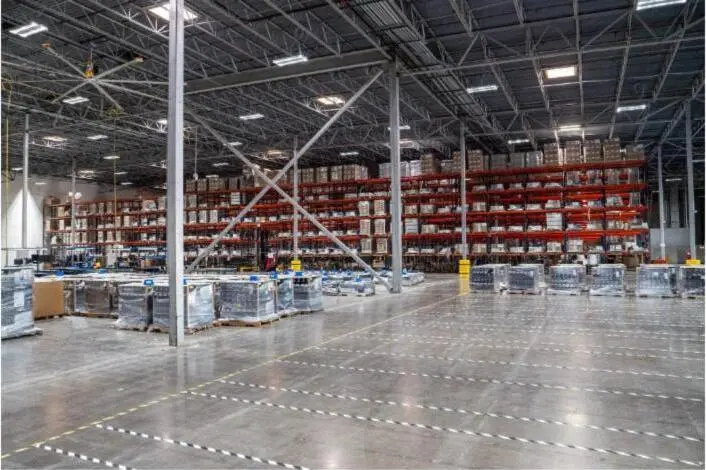
Strategy 4: Closed-Loop Refurbishment to Maximize Per-Unit Recovery
Closed-loop refurbishment channels returned units through testing, repair, cosmetic restoration and certified resale instead of bulk liquidation. This approach consistently recovers more value per unit for mid- to high-value devices.
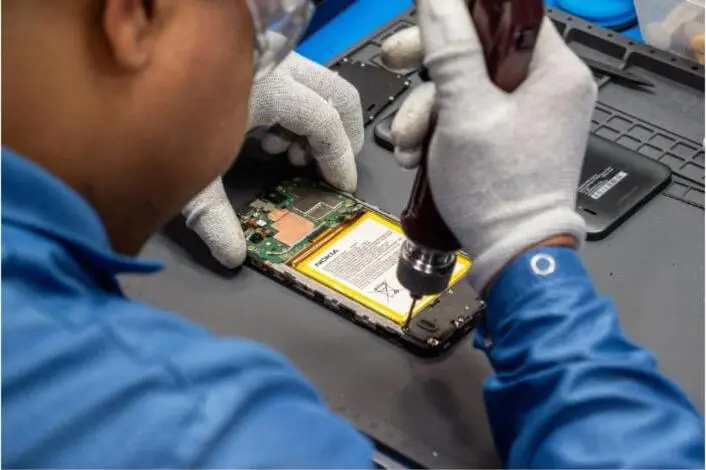
A closed-loop program operates as a connected flow.
- Triage routes each unit to the highest-value disposition path, such as restock, refurbish, parts harvest, liquidate or recycle, instead of applying one path to entire pallets.
- ASC-authorized repair covers in-warranty and out-of-warranty units to maintain OEM compliance and resale eligibility.
- Cosmetic refurbishment upgrades borderline units into higher resale grades that command stronger pricing.
- Secondary-market channels, such as certified refurbished programs, B2B resale and education sector buyers, capture pricing close to retail instead of salvage levels.
- Parts harvesting from beyond-economic-repair units supports repair operations and reduces parts procurement cost.
Most electronics can move through inspection, testing and resale as refurbished units, which recovers substantial value. Liquidation often leaves data security unmanaged and increases risk of channel contamination, where untested product appears in gray markets at prices that undercut authorized partners and drive warranty claims.
Refurbishment labor and parts cost trade against recovery uplift. Refurbishment suits mid- to high-value devices with steady return streams and high no-fault-found rates. Approximately 68% of consumer electronics returns are classified as “no trouble found”, so most returned units qualify for refurbishment instead of repair-intensive processing.
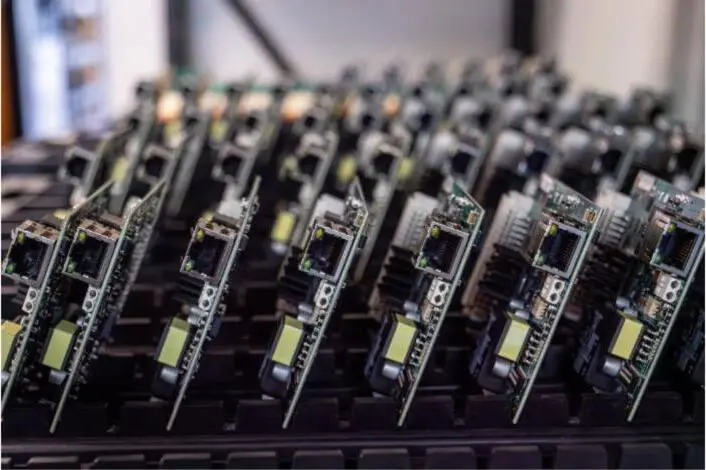
Premier Logitech holds ASC authorizations with more than 20 OEM brands, which supports certified refurbishment and grading for secondary-market resale without breaking OEM compliance rules.
Strategy 5: Data-Security Compliance Built Into Every Workflow
Data-bearing devices in the return stream create direct security and regulatory exposure. Reverse logistics programs protect brands when data sanitization sits inside the triage workflow instead of at the end.
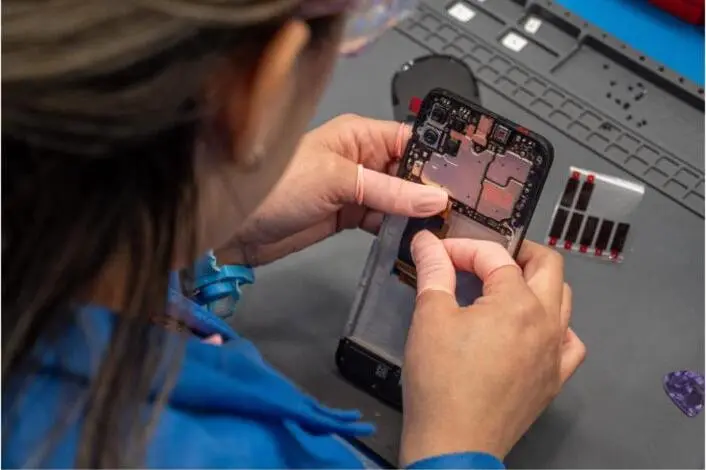
A compliant data-security program functions as an integrated framework.
- NIST SP 800-88 sanitization standards define Clear for internal reuse, Purge for external resale and Destroy for irrecoverable cases.
- Serialized chain-of-custody records track each device from intake through final disposition for audit support.
- Program documentation aligns with CMMC and SOC 2 frameworks for enterprise and government clients.
- Incident-response protocols address all 50 state breach-notification laws whenever unauthorized access to personal data on returned devices occurs.
- Screening identifies devices subject to ITAR, GLBA or HIPAA obligations and routes them into segregated handling workflows.
Data breaches cost an average of $4.99 million per incident globally, so secure data destruction forms a core requirement for tech returns. The U.S. DOJ Final Rule implementing Executive Order 14117 also requires companies that handle restricted bulk sensitive personal data for certain countries to maintain documented programs, annual independent audits and full records of restricted transfers.
Compliance overhead for certification, auditing and documentation trades against the financial and reputational impact of a breach or enforcement action. For enterprise and government programs, strong compliance stands as a prerequisite for authorization. With security embedded, the next step is turning operational data into visibility, which Strategy 6 addresses.
Premier Logitech operates under TAA, TAPA, ISO, NIST, CMMC and SOC 2 frameworks, and holds a CAGE Code that qualifies the company as a pre-vetted partner for U.S. federal government programs.
Strategy 6: KPI Dashboards and Real-Time Visibility Across the Return Cycle
Real-time visibility connects the earlier strategies into a single managed system. Centralized data supports consistent grading, faster decisions and clear insight into systemic return drivers.
A visibility program relies on linked tools and metrics.
- A Transportation Management System tracks inbound return shipments from label generation through hub receipt.
- Disposition dashboards report unit counts by grade, repair status and recovery channel in real time.
- Per-unit processing cost, cycle time and recovery value by SKU and return reason highlight high-cost segments.
- SLA reporting on intake-to-disposition cycle time protects recovery value on fast-depreciating assets.
- Program KPIs flow to OEM design and product teams, which supports the return-prevention feedback loop in Strategy 7.
System integration cost trades against the operational and financial value of real-time data. Programs without visibility cannot isolate whether high per-unit costs come from inbound freight, triage labor, repair complexity or disposition mix. With visibility in place, disposition data can drive return prevention, which Strategy 7 covers.
Premier Logitech lifecycle analytics and inventory reporting provide device traceability and operational insight across the full return cycle, from receiving through final disposition.
Strategy 7: Return-Prevention Feedback Loop for Lower Future Volume
A structured feedback loop turns disposition data into product and experience improvements. This loop reduces avoidable returns and compounds the gains from earlier strategies.
An effective feedback loop follows a clear progression.
- Teams aggregate return-reason codes, no-fault-found rates and failure-mode data by SKU and production batch.
- Analysis highlights return-rate outliers, such as SKUs or batches with rates above program averages, which product teams receive with supporting disposition data.
- Packaging damage rates move to supply chain teams, which adjust materials and handling to cut inbound damage.
- Compatibility-related returns inform product management and testing for accessories and software.
- No-fault-found rates reach customer experience teams, which refine pre-purchase education and in-box documentation.
The high No Trouble Found rate cited earlier means many returns involve fully functional products. Structured feedback on these cases gives OEM design and support teams data to reduce avoidable returns at the source, which delivers the strongest cost reduction in a reverse logistics program.
Data governance investment and cross-functional coordination trade against the compounding cost of unaddressed return drivers. Programs that treat reverse logistics as a closed loop, where disposition data informs product, packaging and support, reduce return rates over time instead of managing static or rising volume.
Premier Logitech end-to-end lifecycle services model positions the company as a data bridge between reverse logistics operations and OEM product teams, which turns return-stream intelligence into concrete program improvements.
Frequently Asked Questions
What is the difference between a reverse logistics hub and a standard warehouse?
A reverse logistics hub is purpose-built for inbound return processing, including receiving, triage, grading, data sanitization, repair and disposition. Standard warehouses focus on pick-pack-ship operations and lack the specialized labor, inspection equipment and workflows needed for high volumes of returned tech devices. Hub operations support consistent grading standards, processing economies of scale and coordinated redeployment that distributed warehouse models struggle to match at comparable per-unit cost.
What compliance certifications should a reverse logistics partner hold for enterprise tech returns?
Enterprise and government programs expect partners certified under NIST SP 800-88 for data sanitization, SOC 2 for data security controls and ISO 9001 and ISO 14001 for quality and environmental management. Federal programs also require CAGE Code registration and TAA compliance. Devices subject to CMMC requirements need a partner with documented CMMC alignment. OEM warranty programs require ASC authorization for the specific brands in the return stream, which narrows the field of qualified partners at scale.
When does refurbishment outperform liquidation as a disposition path?
Refurbishment outperforms liquidation for mid- to high-value devices such as laptops, smartphones, tablets, networking equipment and POS terminals when tested-and-graded unit value exceeds the cost of testing, repair and resale channel management. Liquidation fits when unit value falls below processing cost, when the asset is end-of-life or unsupported by the OEM, or when immediate cash recovery and space take priority over per-unit recovery. The strongest programs apply per-unit triage logic instead of a single disposition path for entire pallets.
How does no-fault-found rate affect reverse logistics program economics?
No-fault-found units, which test as fully functional, consume the same intake, triage and data sanitization resources as defective units but need no repair. These units qualify for rapid restock or certified refurbished resale at higher recovery values. High no-fault-found rates also highlight return-prevention opportunities, such as improved in-box documentation, pre-purchase compatibility guidance and support interventions that reduce avoidable returns before they enter the pipeline.
At what monthly return volume does outsourcing reverse logistics to a specialized partner become economically justified?
The case for a specialized reverse logistics partner strengthens as monthly return volume and compliance complexity rise. Programs handling thousands of monthly units often reach a point where internal processing costs for labor, facilities, compliance infrastructure and OEM authorization maintenance exceed the cost of a purpose-built partner with existing scale and certifications. The decision also depends on whether the OEM or brand holds ASC authorizations internally, since many rely on partners with 20-plus OEM ASC authorizations for compliant warranty repair at scale.
Premier Logitech facilities, nearshore operations, OEM ASC authorizations and compliance infrastructure across NIST, CMMC, SOC 2, TAA and ISO frameworks provide a single-vendor foundation for high-volume tech return programs.
Conclusion
High-volume tech reverse logistics becomes a recoverable asset program when operators apply seven connected strategies. Pre-return authorization controls inbound volume, AI-assisted triage standardizes grading, and regional hubs protect value through faster processing.
Closed-loop refurbishment then maximizes per-unit recovery, while data-security compliance reduces breach and regulatory risk. KPI dashboards drive continuous improvement, and return-prevention feedback loops cut future return volume at the source.
Each strategy delivers measurable value on its own, yet together they form an integrated operating model that scales with return volume and adapts to OEM requirements. This model converts the reverse supply chain into a structured recovery engine.
Premier Logitech integrated infrastructure, authorizations and compliance capabilities, described throughout this article, position the company as a single-vendor platform for enterprise and government reverse logistics programs.
Get started with Premier Logitech certified reverse logistics infrastructure.
