
Last updated: August 23, 2026
Key Takeaways for 2026 Reverse Logistics Planning
- U.S. retail returns reached $849.9 billion in 2025, so supply chain leaders must balance rising volumes with sustainability and data-security mandates.
- High-volume categories such as apparel, with 20–40% return rates, and consumer electronics, with 8–15%, require dedicated intake, triage and routing infrastructure.
- Industries handling high-value assets like electronics and IT hardware can capture significant recovery value through structured refurbishment, remarketing and component harvesting workflows.
- Regulatory pressure from e-waste rules, EPR frameworks and data-destruction mandates requires partners certified in ISO 9001, ISO 14001, NIST, CMMC and SOC 2.
- Premier Logitech offers an integrated, OEM-authorized reverse logistics program that scales with 2026 return volumes; benchmark a current reverse logistics program with a lifecycle expert.
1. Volume Intensity: The Foundation of Reverse Logistics Demand
Return volume sets the baseline infrastructure requirement for any reverse logistics program. High-volume return flows without sufficient processing capacity create bottlenecks that delay disposition, erode asset value and increase per-unit costs. This dynamic means industries with structurally high return rates require dedicated intake, triage and routing infrastructure rather than ad hoc solutions.
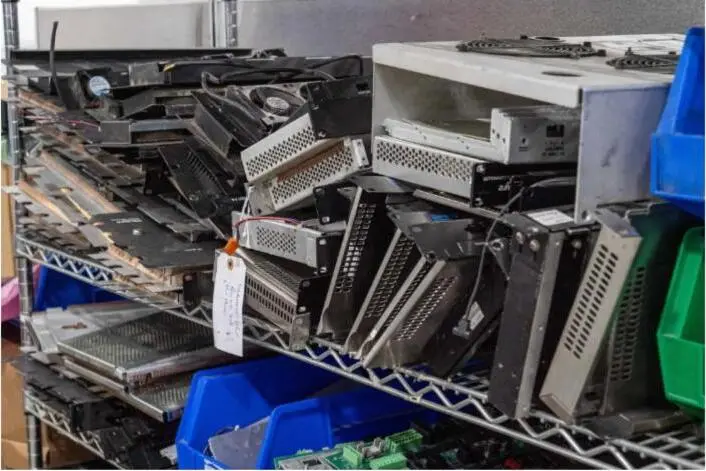
Apparel leads all e-commerce categories with return rates of 20–40%, driven by sizing uncertainty and bracketing behavior. Consumer electronics return rates range from 8–15% in 2025–2026, with defect-related claims frequently triggering warranty processes. These category-level benchmarks show why operations leaders should track return rate by SKU category, seasonal return surges and the ratio of warranty versus non-warranty returns as primary volume diagnostics.
2. Recoverable Value: Economics of High-Value Asset Returns
Recoverable value measures the economic upside a reverse logistics program can capture from returned or end-of-life assets. Industries with high per-unit asset value, including electronics, IT hardware and telecom equipment, generate disproportionate recovery potential relative to return volume. A structured disposition workflow converts returns into refurbished inventory, secondary-market units or harvested components instead of landfill waste.
Sixty-eight percent of all consumer electronics returns are classified as “No Fault Found,” meaning the product is functional and carries recoverable value if processed promptly. Intelligent disposition improves recovery rates for open-box units and harvested components by aligning routing decisions with condition and processing speed. Leaders should track refurbishment yield rates, average recovery value per returned unit and the share of returns reaching secondary-market channels as core economic metrics. But economic recovery alone does not define program requirements, because regulatory exposure also shapes the necessary infrastructure.
3. Regulatory Pressure: Compliance Mandates for Electronics and IT
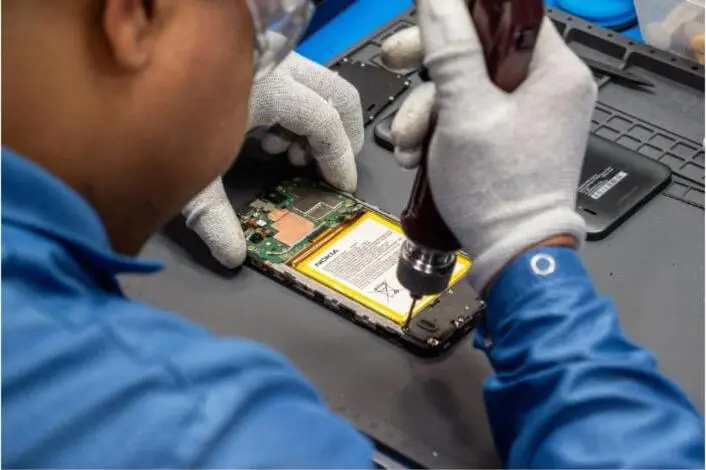
Regulatory exposure determines the compliance infrastructure a reverse logistics program must maintain. Electronics and IT sectors face overlapping mandates covering e-waste disposal, data destruction and environmental reporting. Government and enterprise programs add layers of framework-specific requirements that generic logistics providers are not equipped to meet.
Strict government rules and product quality standards are increasing product recalls across multiple industries, which expands the scope of reverse logistics compliance obligations. EPR frameworks and regulatory traceability mandates are driving adoption of digital platforms that support reverse logistics and product lifecycle transparency. This regulatory expansion is why operations leaders evaluating partners should confirm the certifications outlined earlier as baseline validation signals for regulated industries.
Discuss compliance requirements for electronics and IT asset returns with a lifecycle expert in regulated industries.
4. Repair Complexity: Technical Depth That Protects Asset Value
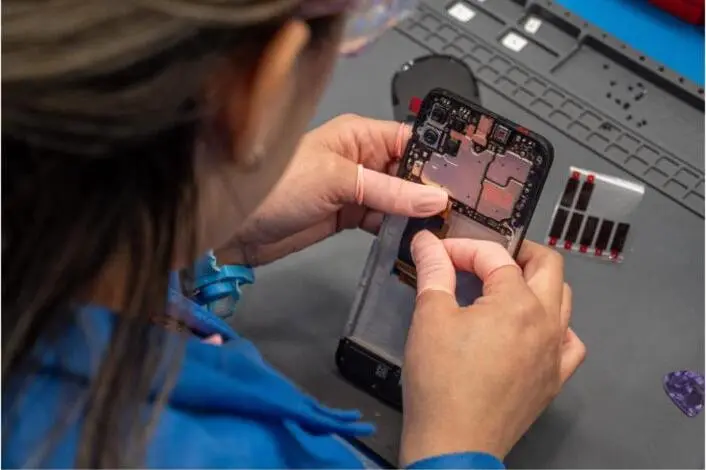
Repair complexity reflects the technical capability a reverse logistics program must deploy to restore returned assets to sellable or deployable condition. Consumer electronics, IT hardware and telecom equipment require structured depot repair workflows, from basic cosmetic refurbishment at Level 1 through board-level and component repair at Levels 3 and 4. Programs without this depth default to liquidation or disposal, which leaves significant recovery value unrealized.
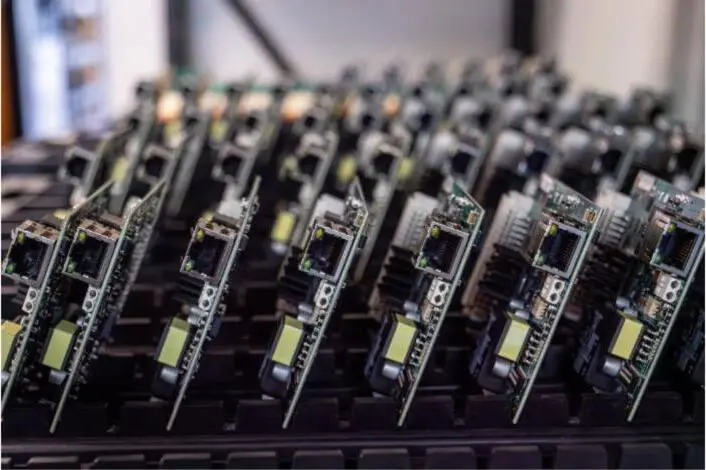
Shorter device lifecycles and rising warranty claim volumes are pushing technology firms to shift reverse logistics toward repair, resale, reuse and recycling rather than simple return handling. RMA cycle time, the elapsed time from return receipt to disposition decision, serves as a primary operational metric. Programs with OEM-authorized service center status can execute warranty-valid repairs that generic providers cannot, which preserves asset value and OEM relationship integrity. For IT and telecom programs, this technical capability must align with strict data-security expectations.
5. Data-Security Requirements: Safeguarding Sensitive IT Assets
Data-security requirements govern how returned IT assets, mobile devices and storage media must be handled from the moment of return through final disposition. For government agencies, defense contractors and enterprise IT programs, a single data-handling failure can trigger regulatory penalties and reputational damage that far exceed the cost of the return itself.
Large cloud operators are increasingly requesting serialized tracking, compliance documentation and carbon-related reporting for retired AI hardware, which raises the documentation standard across the ITAD sector. Programs handling government or enterprise IT assets should require partners to demonstrate NIST-aligned data wipe procedures, CMMC compliance capability and chain-of-custody documentation at the serial-number level. Secure data destruction must be verifiable, not self-reported.
Review data-security protocols for IT asset returns with a lifecycle expert.
6. Partner-Evaluation Criteria: Fragmented vs Integrated Models
The partner model, fragmented versus integrated, determines whether a reverse logistics program can scale without creating compliance gaps or recovery losses. Fragmented models distribute returns processing, repair, data destruction and remarketing across multiple vendors. Each handoff introduces delay, visibility loss and accountability gaps that compound at high volume.
The cost of fragmentation becomes visible when return volumes surge. Consider a mid-market IT OEM managing warranty returns across three vendors: a third-party logistics provider for intake, a regional repair shop for depot service and a separate ITAD firm for data destruction and remarketing. When return volumes spike during a product recall, coordination failures between vendors delay disposition. Assets sit unprocessed, losing recovery value daily, because returned units can lose significant value within weeks if left unprocessed.
An integrated partner consolidates intake, L1–L4 depot repair, secure data destruction and certified refurbishment under a single program with unified reporting and SLA accountability. When evaluating partners, operations leaders should confirm ASC authorization status for relevant OEM brands, TAA compliance for government-adjacent programs and the ability to provide compliance reporting across ISO, NIST and CMMC frameworks. Single-source accountability reduces vendor management overhead and closes the visibility gaps that fragmented models create.
Frequently Asked Questions
Which industries show the highest reverse logistics intensity in 2026?
Consumer electronics, IT hardware, telecom equipment and apparel show the highest combined intensity when measured by both return volume and recoverable value per unit. Electronics and IT programs carry additional weight due to data-security requirements, OEM authorization dependencies and regulatory compliance obligations that other categories do not face at the same scale.
What should operations leaders look for when onboarding a reverse logistics partner?
Leaders should evaluate a partner’s OEM authorization status, depot repair capability across L1–L4, data destruction certifications, compliance framework coverage and program reporting infrastructure. The ability to operate as a single-source partner, handling intake through remarketing without subcontracting critical steps, signals program reliability at scale.
How does data security factor into reverse logistics program design?
For IT, telecom and government programs, data security functions as a nonnegotiable program requirement. Partners must demonstrate NIST-aligned data wipe procedures, SOC 2 attestation, chain-of-custody documentation at the device level and the ability to produce compliance reports for audit purposes. Programs that treat data destruction as an afterthought create regulatory exposure that outweighs any cost savings from lower-tier providers.
What is the difference between warranty and nonwarranty reverse logistics flows?
Warranty returns require OEM-authorized repair to preserve warranty validity and OEM relationship terms. Nonwarranty returns have more flexible disposition options but still require structured triage, grading and disposition routing to maximize recovery value. Programs handling both flow types benefit from a partner with ASC authorization and the operational flexibility to route units appropriately based on condition and warranty status.
How do sustainability mandates affect reverse logistics program requirements?
ESG reporting obligations, EPR-style frameworks and enterprise sustainability targets are increasing the documentation burden on reverse logistics programs. Partners must provide e-waste diversion data, recycling certification records and disposition outcome reporting that feeds into corporate sustainability disclosures. ISO 14001 certification and responsible recycling program participation function as baseline expectations for programs operating under sustainability mandates.
Conclusion: Applying the Six-Factor Framework
U.S. operations leaders evaluating reverse logistics programs in 2026 face a decision environment shaped by rising return volumes, tightening compliance requirements and growing pressure to recover asset value rather than absorb return costs. The six-factor framework provides a structured basis for benchmarking industries and evaluating partners against the criteria that matter most.
- Volume Intensity: Return rate by category and seasonal surge capacity
- Recoverable Value: Refurbishment yield, secondary-market access and disposition speed
- Regulatory Pressure: ISO, NIST, CMMC, EPA and EPR compliance coverage
- Repair Complexity: L1–L4 depot capability and OEM authorization status
- Data-Security Requirements: SOC 2, NIST data wipe, chain-of-custody documentation
- Partner-Evaluation Criteria: Integrated versus fragmented model, ASC authorization, TAA compliance
Premier Logitech delivers end-to-end lifecycle and reverse logistics services, from RMA intake and depot repair through secure data destruction, certified refurbishment and remarketing, under a single program with unified compliance reporting. With ASC authorization across multiple OEM brands and compliance coverage spanning TAA, ISO, NIST, CMMC and SOC 2, Premier Logitech serves IT OEMs, consumer electronics brands, telecom providers and government agencies managing high-volume, high-compliance return programs.
Apply the six-factor framework to a reverse logistics program with a lifecycle expert.
