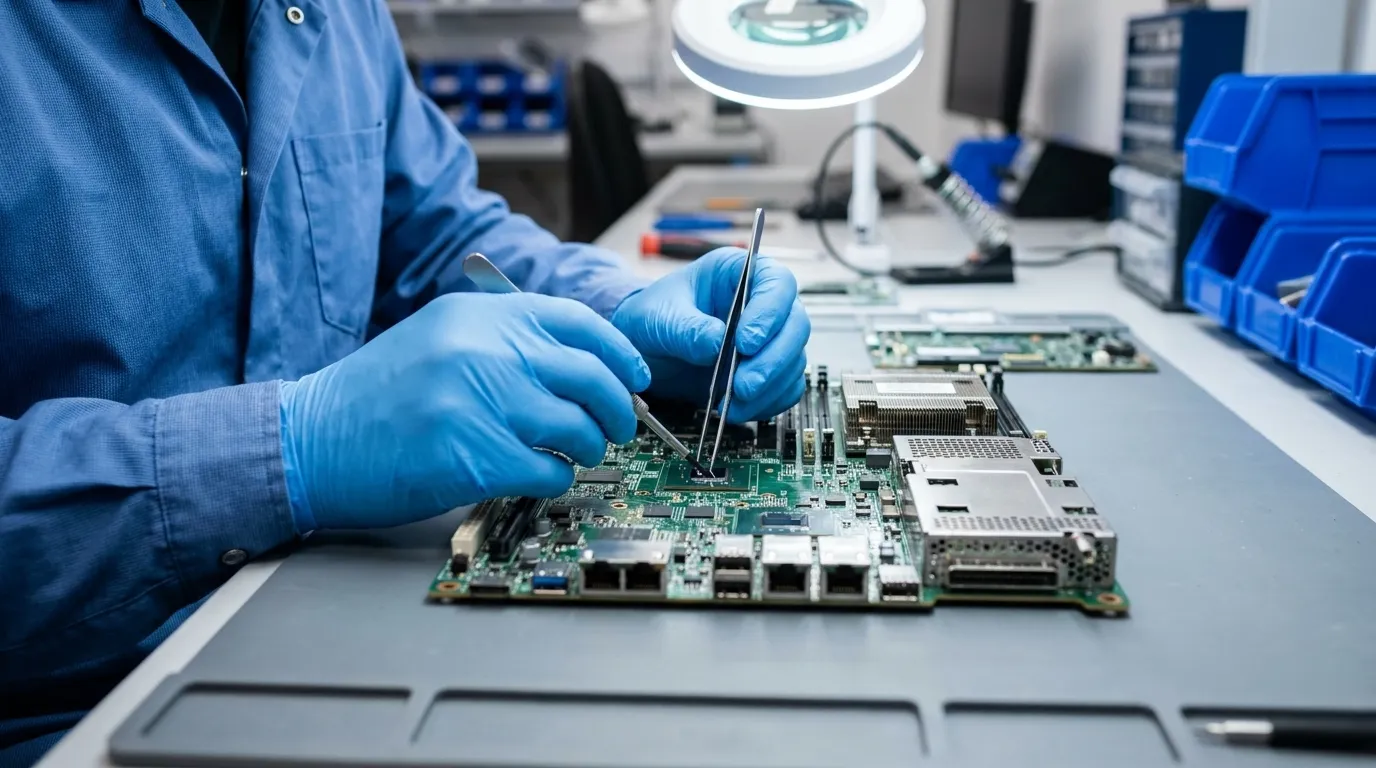
Key Takeaways
- Asset recovery solutions has two meanings. One is a debt collection agency. The other is a B2B service that recovers value from retired technology assets.
- Asset Recovery Solutions, LLC is a licensed debt collector founded in 2009 that collects on consumer debts such as credit cards, auto loans and student loans.
- Consumers contacted by debt collectors retain FDCPA rights to request written validation, dispute debts and limit communication tactics.
- Enterprise asset recovery covers ITAD, reverse logistics, refurbishment, secure data destruction and responsible recycling to capture value from retired hardware.
- Premier Logitech offers end-to-end IT lifecycle and reverse logistics services that support compliant, scalable asset recovery programs. Talk to a lifecycle expert today.
Asset Recovery Solutions, LLC: Company Background and Contact Details
Asset Recovery Solutions, LLC is a licensed third-party debt collection agency incorporated in Illinois on Jan. 4, 2009 and headquartered in Des Plaines, Illinois. The company collects delinquent consumer debts, including credit cards, auto loans and private student loans, either as the debt owner or as a hired agent for original creditors. It also states that it is licensed and bonded to conduct its business in all 50 states, the District of Columbia and Puerto Rico.
Verified company facts:
- Founded: 2009
- Headquarters: 2200 E. Devon Ave., Suite 200, Des Plaines, IL 60018
- Consumer customer service: 1-888-678-0087
- Email: [email protected]
- Website: assetrecoverysolutions.com
- BBB status: Accredited with an A+ rating
- CFPB complaint history: Dating to at least 2013
Debt Collection Calls From Asset Recovery Solutions
Asset Recovery Solutions, LLC contacts consumers to collect on delinquent accounts it purchased from original creditors or manages as a hired collection agent. A call signals that the company claims a balance is due, but it does not confirm that the debt is valid or collectible. Consumers hold the right to request written verification before making any decision.
Original creditors sell delinquent accounts, typically those 120 to 180 days past due, to debt buyers. Those buyers then attempt to collect the balance. Asset Recovery Solutions, LLC collects on accounts including charged-off auto loans, credit cards and private student loans such as Navient and Sallie Mae accounts. The company may also act as a collection agent on behalf of creditors including Synchrony Bank, Citi, Capital One, Verizon, AT&T, medical billing companies and utilities.
Consumers benefit from verifying any debt in writing before making payments or acknowledging the balance. The CFPB warns that acknowledging an old debt or making a partial payment may restart the statute of limitations in some states.
Asset Recovery Solutions Legitimacy, Complaints and Lawsuits
Asset Recovery Solutions, LLC is a legitimate, licensed debt collector with BBB accreditation and an A+ rating. Consumers still retain full rights and should confirm any debt before paying.
The CFPB Consumer Complaint Database records complaints against Asset Recovery Solutions, LLC through March 2026. Annual volume rose from 74 complaints in 2024 to 96 in 2025. The most common complaint issues involve attempts to collect debt not owed, communication tactics and written notification about debt. The company timely CFPB response rate is below the industry benchmark.
The CFPB states that complaint counts are allegations, not regulatory findings of wrongdoing. Complaint volume should be weighed against company size and market share. Consumers can file a complaint directly with the CFPB or report concerns to the Federal Trade Commission.
Red flags of fraudulent debt collection include refusal to provide written validation, threats of arrest without a court order and demands for wire transfer or cryptocurrency payment. Public information does not show these characteristics for Asset Recovery Solutions, LLC.
Consumer FDCPA Rights for Validation, Disputes and Responses
The Fair Debt Collection Practices Act (FDCPA) is a federal law that prohibits abusive, deceptive and unfair practices by third-party debt collectors. It grants consumers the right to dispute debts, demand validation and stop certain collection communications.
Key FDCPA protections include:
- Debt collectors cannot call before 8 a.m. or after 9 p.m. in the consumer time zone.
- Collectors cannot call a workplace if the employer prohibits such calls.
- Collectors cannot make false statements, threaten arrest or use obscene language.
- Collectors are presumed to violate the law if they place more than seven calls within a seven-day period about a particular debt.
- Consumers can sue for $100 per FDCPA violation plus actual damages and attorney fees.
FDCPA protections apply regardless of debt age, but state law limits how long a collector can sue. Most states impose limits between three and six years, though some are longer, and the period varies by debt type and state law. Consumers benefit from checking state rules before responding to any collection contact.
Steps to Dispute a Debt With Asset Recovery Solutions
Consumers can follow these steps to dispute a debt under the FDCPA:
- Request the validation notice. Within five days of first contact, the collector must send a written notice with the debt amount, creditor name and dispute rights.
- Dispute in writing within 30 days. Send a written dispute letter within 30 days of receiving the validation notice. Collection activity must pause until the collector provides verification.
- Include key information. State that the debt is disputed and request verification. Include the consumer name, address and account reference number.
- Send via certified mail with return receipt. This creates a documented record of the date sent and received.
- Keep copies of everything. Retain all letters, envelopes and certified mail receipts. Log all phone calls with dates and times.
- Consult a consumer-law attorney or legal aid if needed. Consumers have one year from the date of a violation to file suit under the FDCPA.
For consumers, these FDCPA steps form the priority response. For enterprises, the term “asset recovery solutions” describes a different service category focused on technology assets. The next section explains that B2B meaning.
Enterprise Asset Recovery Agencies and the B2B Definition
Enterprise asset recovery solutions form a separate category from debt collection. In the B2B context, asset recovery refers to services that recover financial value from returned, idle, end-of-life or excess technology assets. The process spans reverse logistics, IT asset disposition, refurbishment, grading, remarketing and responsible recycling.
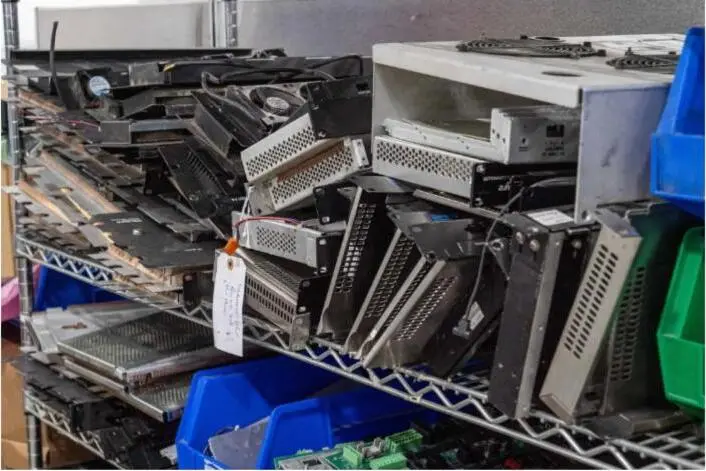
IBM defines IT asset recovery as a process enterprises rely on to secure, evaluate and safely dispose of unused IT equipment, a critical part of IT asset lifecycle management. The operational components of a full enterprise asset recovery program include:
- RMA intake and triage: Receiving and sorting returned or retired devices by condition and disposition path.
- Depot repair: Restoring functional devices to working condition for redeployment or resale.
- Cosmetic refurbishment and grading: Assessing and improving device appearance for secondary market channels.
- Secure data destruction: Sanitizing data to NIST SP 800-88 standards before any asset leaves custody.
- Parts reclamation and harvesting: Extracting components with residual value from devices that cannot be resold whole.
- Resale channel management: Routing graded assets to secondary market buyers for maximum value recovery.
- Responsible recycling and disposal: Diverting end-of-life material from landfill through R2v3-certified downstream processors.
Readers seeking deeper operational detail on reverse logistics and lifecycle services can explore Premier Logitech content on those topics.
Enterprise Asset Recovery, ITAD and Value Recovery Drivers
Enterprise asset recovery fits inside the broader IT lifecycle of sourcing, deployment, repair, recovery and recycling. When managed well, the recovery stage generates measurable financial return rather than pure disposal cost. Resale proceeds from the top portion of a retired IT estate can subsidize compliant ITAD processing for remaining assets. This shift turns a disposal expense into a net figure that is often close to neutral.
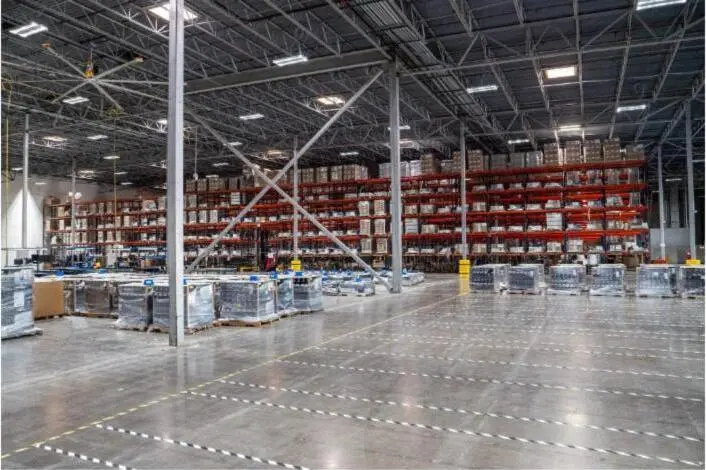
The main business drivers for a structured enterprise asset recovery program include missed recovery value, compliance and data security risk, sustainability goals and reverse logistics bottlenecks.
- Missed recovery value: Retired IT devices lose resale value over time after years of use. Timely disposition protects that value.
- Compliance and data security risk: Expanded frameworks including CMMC 2.0, PCI-DSS v4.0 and NIST 800-88 have elevated ITAD from a back-office task to a board-level program.
- Sustainability and e-waste goals: The United Nations found e-waste levels had risen since 2010 as of 2024. Enterprises face growing ESG reporting obligations tied to hardware disposition.
- Reverse logistics bottlenecks: High return volumes without a scalable processing partner create inventory backlogs and erode recovery value.
These drivers explain why partner selection matters. Each evaluation focus area connects to one or more of the risks above, from data security to reverse logistics capacity.
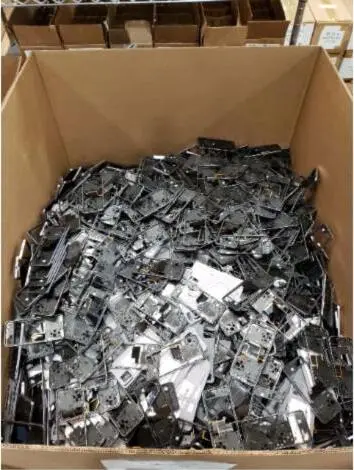
Operations leaders should evaluate partners on service scope, repair capability, data security and compliance certifications, scalability, visibility and reporting, logistics network and OEM authorizations. A provider that covers the full lifecycle from RMA intake through recycling reduces the need for multiple vendors. Strong repair and refurbishment capability, backed by OEM authorizations, supports higher recovery value. Robust certifications and serialized reporting address compliance and data security concerns, while owned facilities and a scalable network reduce bottlenecks.
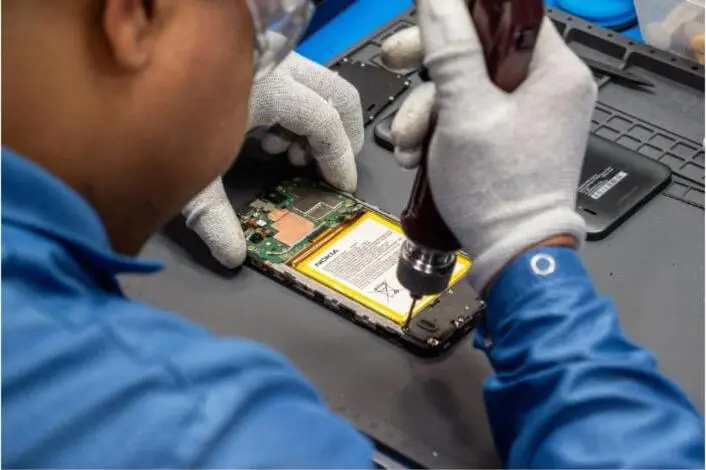
Premier Logitech addresses these criteria as an end-to-end IT lifecycle and reverse logistics partner founded in 2007. The company holds ASC authorization for multiple OEM brands, which supports advanced repair and refurbishment. It operates three DFW facilities with nearshore operations in Mexico, which supports scale and logistics coverage. Premier Logitech maintains TAA, ISO, NIST, CMMC and SOC 2 compliance, which aligns with data security and regulatory expectations. Asset recovery services include secure data wipe, certified refurbishment and grading, parts reclamation and harvesting and responsible recycling and disposal under a single-source program that reduces fragmented vendor relationships.
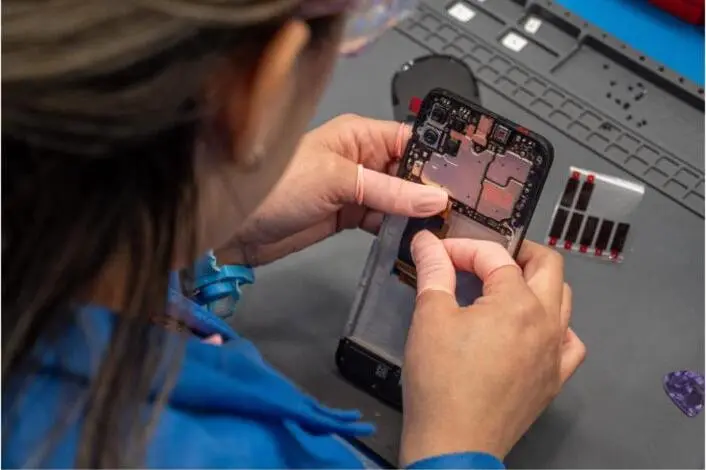
Assess enterprise asset recovery strategy with Premier Logitech.
Frequently Asked Questions
The questions below address both consumer and enterprise topics, starting with common consumer concerns.
What Happens If a Debt Is Past the Statute of Limitations?
When a debt passes the statute of limitations, a collector generally cannot win a lawsuit to collect it. The CFPB notes that collectors may still request payment on some time-barred debts. A payment or written acknowledgment can restart the clock in certain states, so consumers benefit from legal advice before acting.
How Long Does the FDCPA Dispute Process Take?
After a consumer sends a written dispute within the 30-day window, collection activity must pause until verification arrives. Timelines vary by collector and account complexity. Consumers should track dates, keep copies and follow up in writing if a response does not arrive within a reasonable period.
How Does Enterprise Asset Recovery Differ From Traditional ITAD?
Traditional ITAD often focuses on compliant disposal and data destruction. Enterprise asset recovery adds structured value recovery through refurbishment, resale and parts harvesting. Programs track financial outcomes, environmental metrics and chain-of-custody reporting alongside compliance.
How Should Enterprises Choose Between Single-Service and End-to-End ITAD Providers?
Single-service providers handle narrow tasks such as shredding or basic recycling. End-to-end partners manage intake, repair, refurbishment, resale and recycling under one program. Organizations with complex fleets, strict compliance needs or high return volumes often gain better visibility and control with an integrated partner.
What Pricing Models Do Enterprise Asset Recovery Providers Use?
Pricing structures vary by provider and scope. Many ITAD and asset recovery providers operate on a revenue-share model, returning a portion of resale proceeds to offset processing costs. Others charge per-device fees for intake, data destruction and recycling. A detailed, per-asset settlement report helps organizations compare net outcomes across vendors.
Conclusion and Next Steps
“Asset recovery solutions” covers two situations, and the appropriate response depends on the context.
For consumers, the first step is to request the debt validation notice in writing. If the debt is unrecognized, dispute it within the 30-day FDCPA window. Send all correspondence via certified mail with return receipt and keep complete records. Consult a consumer-law attorney or legal aid organization if the situation escalates.
For operations and supply chain leaders, the evaluation criteria above provide a starting checklist. A program that scores poorly on service scope or compliance certifications often suffers from fragmented vendor relationships. A capable single-source partner can address those gaps and improve recovery value, compliance and reporting.
Premier Logitech provides end-to-end IT lifecycle and reverse logistics services, from sourcing through secure recycling, with the certifications, OEM authorizations and operational scale to support enterprise and government programs. Connect with a Premier Logitech lifecycle expert to review enterprise asset recovery options.
